












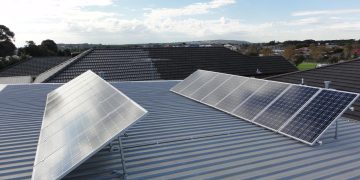







In a world increasingly powered by the sun, the story of solar energy is one of both light and shadow. As we harness the brilliance of solar power to illuminate our homes and fuel our economies, a question looms large: is the production of these essential technologies too heavily centralized in a few select countries? Like the sunflowers that turn their faces toward the sun, the global solar industry has oriented itself around certain hubs of manufacturing excellence. This concentration raises both opportunities and challenges, prompting us to explore the implications of such a centralized approach. In this article, we will delve into the dynamics of solar manufacturing, examining whether this centralization is a strategic necessity or a potential vulnerability for the global energy landscape. Join us as we journey through the heart of the solar industry, uncovering the delicate balance between efficiency and resilience in our quest for a sustainable future.
Global Dominance and Regional Imbalances in Solar Manufacturing
The solar manufacturing landscape is a fascinating study in contrasts. While certain countries have emerged as powerhouses, leading the charge in production and innovation, this global concentration raises questions about regional disparities. China, for example, dominates the solar panel production market, responsible for nearly three-quarters of the world’s supply. This centralization creates an intriguing dynamic where smaller nations with significant solar potential often rely heavily on imports, affecting their local economies and technological growth.
- Economic Dependency: Countries that import solar technologies may face economic vulnerabilities due to fluctuating international trade policies.
- Innovation Gaps: A heavy reliance on a few manufacturing giants can stifle local innovation and the development of unique, region-specific solutions.
- Supply Chain Risks: Centralized manufacturing increases the risk of supply chain disruptions, whether due to geopolitical tensions or natural disasters.
Addressing these imbalances requires a multifaceted approach, encouraging local production, fostering international collaboration, and investing in research to cultivate a more equitable and resilient solar industry worldwide.
Assessing the Risks of Over-Reliance on Few Countries for Solar Production
In the realm of solar manufacturing, the concentration of production in a limited number of countries poses significant challenges and vulnerabilities. Centralized production can lead to supply chain disruptions, as geopolitical tensions, trade disputes, or natural disasters in these key regions can have a ripple effect on global solar markets. Furthermore, dependency on a handful of nations may stifle innovation, as local industries in other parts of the world are unable to compete or collaborate effectively, leading to a lack of diversity in technological advancements.
Potential risks of this over-reliance include:
- Economic Vulnerability: A heavy reliance on imports from a few countries can lead to increased costs if tariffs or trade barriers are imposed.
- Supply Chain Bottlenecks: Disruptions in these countries, due to unforeseen events, could result in significant delays in production and distribution.
- Reduced Competitive Edge: A lack of diversification in production sites may lead to fewer opportunities for local businesses to engage and innovate in the solar sector.

Exploring Opportunities for Diversification in the Solar Supply Chain
As the global demand for solar energy continues to soar, the question of supply chain diversification becomes increasingly critical. Currently, a significant portion of solar manufacturing is concentrated in a handful of countries, which poses risks to global energy stability. To mitigate these risks, the solar industry could explore several strategies:
- Investment in Emerging Markets: Developing manufacturing capabilities in regions with untapped potential can not only boost local economies but also create a more resilient supply chain.
- Encouraging Regional Partnerships: Collaborations between neighboring countries can enhance resource sharing and reduce dependency on single-source suppliers.
- Incentivizing Technological Innovation: Supporting R&D initiatives can lead to breakthroughs in production efficiency, allowing more countries to enter the market.
By pursuing these opportunities, the solar industry can work towards a more decentralized and secure supply chain, ensuring a steady flow of components and fostering global energy independence.

Strategic Policy Recommendations for a Balanced Solar Manufacturing Landscape
In pursuit of a diversified solar manufacturing ecosystem, it’s crucial to implement strategic policies that can mitigate the risks of over-centralization. Governments and industry stakeholders should consider fostering regional manufacturing hubs that leverage local resources and expertise. By providing incentives such as tax breaks, subsidies, and infrastructure support, regions can attract investments and build capacity, thus reducing dependency on a handful of dominant players.
Furthermore, promoting collaborative research and development across borders can drive innovation and enhance competitiveness. Establishing international partnerships can facilitate knowledge transfer and create synergies that benefit all parties involved. Encouraging policies that support sustainable practices and fair trade agreements can also ensure that solar manufacturing evolves in a balanced manner, aligning with global environmental goals and economic equity.
- Regional manufacturing hubs
- Collaborative R&D
- Sustainable practices
- Fair trade agreements
Key Takeaways
In the ever-evolving narrative of solar manufacturing, the question of centralization serves as both a challenge and an opportunity. As we stand at the crossroads of innovation and dependency, it becomes imperative to assess the balance of global participation in this vital industry. While certain countries have undeniably carved out dominant roles, the potential for diversification remains vast and largely untapped. By fostering collaboration, encouraging technological exchange, and investing in local capacities, the world can illuminate a path toward a more equitable and resilient solar future. As the sun rises on the next chapter of renewable energy, the opportunity to reshape the global solar landscape is not just a possibility, but a responsibility shared by all.