



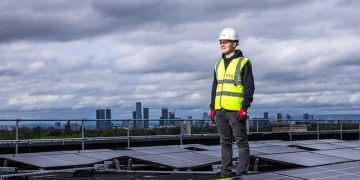



In a world increasingly driven by the sun’s radiant promise, the allure of living off-grid has never shone brighter. Imagine your home as a self-sustaining oasis, powered entirely by the boundless energy of the sun. Designing an off-grid solar system is not just an exercise in engineering; it is a journey towards independence, sustainability, and a harmonious relationship with the environment. Whether you’re nestled in a remote wilderness or seeking to minimize your carbon footprint in a bustling suburb, crafting a bespoke solar solution requires a blend of creativity, technical know-how, and forward-thinking. This article will guide you through the essential steps and considerations to transform your home into a solar-powered sanctuary, offering insights that illuminate the path to energy autonomy. Join us as we explore the fascinating world of off-grid solar design, where innovation meets nature in the quest for a brighter, more sustainable future.
Choosing the Right Solar Panels for Maximum Efficiency
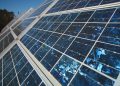
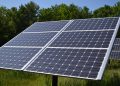
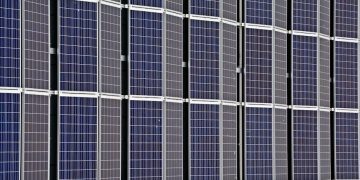
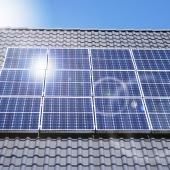
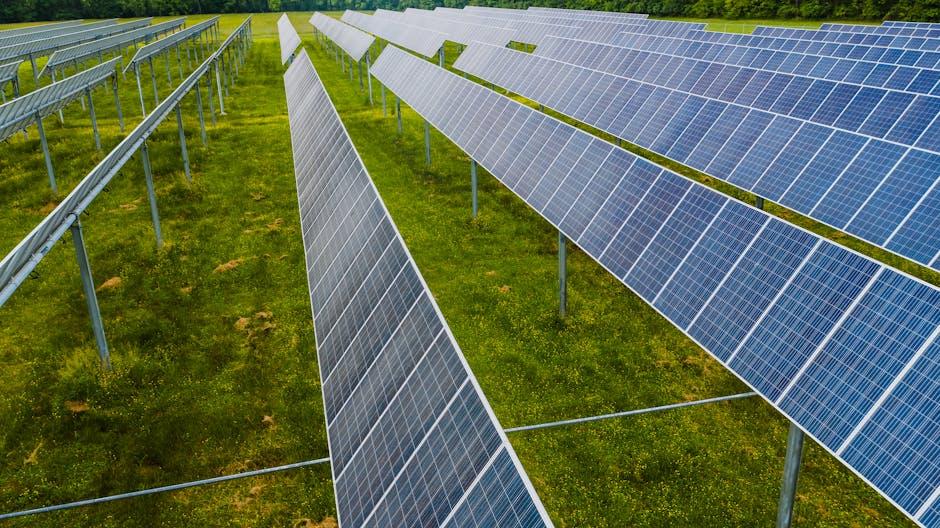
When selecting solar panels for your off-grid system, it’s essential to focus on both efficiency and durability. Efficiency refers to how well a solar panel converts sunlight into usable electricity. To ensure maximum performance, consider panels with a higher efficiency rating, typically above 20%. These panels might come with a higher price tag, but they can generate more power in limited space, making them ideal for rooftops or areas with partial shading.
Key factors to consider include:
- Material: Choose between monocrystalline, polycrystalline, or thin-film panels. Monocrystalline panels are generally more efficient and longer-lasting, whereas thin-film panels are flexible and lightweight.
- Temperature Coefficient: Panels with a lower temperature coefficient perform better in high heat, maintaining efficiency on scorching summer days.
- Warranty and Longevity: Opt for panels with robust warranties, ideally 25 years, ensuring long-term reliability and peace of mind.
Remember, the right solar panels not only power your home efficiently but also contribute to a sustainable and eco-friendly lifestyle.
Sizing Your Battery Bank for Uninterrupted Power Supply
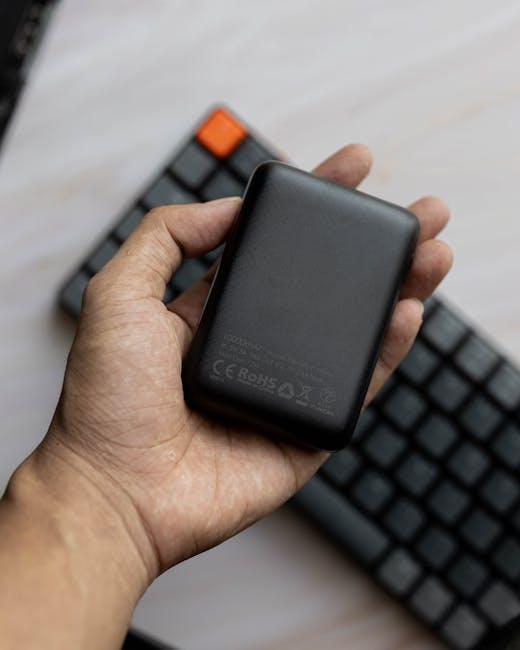
Designing an off-grid solar system requires meticulous planning, especially when it comes to selecting the right battery bank. The battery bank is the heart of your solar setup, ensuring energy availability when the sun isn’t shining. Start by determining your energy consumption; calculate the total watt-hours your household uses daily. Consider seasonal variations and lifestyle habits that might affect your energy usage. This will guide you in estimating the total capacity needed for your battery bank.
When choosing batteries, consider the following factors:
- Type of Battery: Options include lead-acid, lithium-ion, and flow batteries, each with unique advantages and costs.
- Depth of Discharge (DoD): This indicates how much of the battery’s capacity can be used without shortening its lifespan. A higher DoD allows for more usable energy.
- Efficiency and Lifespan: Look for batteries with high efficiency and longer lifespans to ensure a reliable power supply over time.
- Temperature Sensitivity: Ensure your batteries can operate efficiently in the climate where you live.
By understanding these aspects, you can effectively size your battery bank, guaranteeing a steady flow of energy and maintaining your home’s autonomy from the grid.

Inverters and Charge Controllers: Bridging the Energy Gap
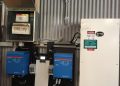
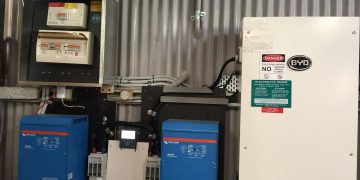
When piecing together an off-grid solar system, two pivotal components ensure that the harvested sunlight seamlessly powers your household: the inverter and the charge controller. Inverters play the crucial role of converting the direct current (DC) generated by solar panels into the alternating current (AC) that powers most home appliances. Choosing the right inverter involves considering factors like power capacity and efficiency, as well as the specific needs of your household. Charge controllers, on the other hand, manage the flow of electricity from the solar panels to the battery bank, preventing overcharging and extending battery life. This ensures a balanced and efficient energy storage process, crucial for maintaining a reliable power supply when the sun isn’t shining.
- Types of Inverters: Pure sine wave, modified sine wave, and micro-inverters.
- Charge Controller Varieties: PWM (Pulse Width Modulation) and MPPT (Maximum Power Point Tracking).
Selecting the right combination of inverters and charge controllers can significantly impact the overall performance of your solar setup. Pure sine wave inverters are typically recommended for sensitive electronics, while MPPT charge controllers offer superior efficiency by optimizing the match between the solar array and battery voltage. These choices are pivotal in bridging the energy gap, ensuring that your off-grid system operates smoothly and efficiently, harnessing the sun’s power to meet your home’s energy demands.
Integrating Backup Systems for Enhanced Reliability
When crafting an off-grid solar system, ensuring continuous power supply through effective backup systems is crucial for reliability. A well-integrated backup system can be your lifeline during prolonged periods of low solar generation, like cloudy days or extended winters. Consider the following strategies to enhance your solar setup:
- Battery Storage: Invest in high-capacity batteries to store excess energy generated during peak sunlight hours. Lithium-ion and lead-acid batteries are popular choices, each offering distinct benefits in terms of efficiency and cost.
- Generator Backup: Incorporate a backup generator powered by propane or diesel. This provides an additional layer of security, especially in regions with unpredictable weather patterns.
- Hybrid Inverter: Use hybrid inverters that can seamlessly switch between solar, battery, and generator power, ensuring your home remains powered without interruption.
Implementing these systems can transform your solar setup into a resilient powerhouse, reducing dependence on the grid while maintaining a steady energy flow.
In Summary
As the sun sets on our exploration of designing an off-grid solar system for your home, you’re now equipped with the knowledge to illuminate your path toward energy independence. With a blend of innovation and sustainability, crafting your own solar sanctuary is not just a technical endeavor but a journey into a more self-reliant future. Remember, each panel you install is a step away from conventional power grids and a leap toward harnessing nature’s most abundant resource. As you embark on this empowering adventure, may your home shine brightly, fueled by the sun’s eternal promise and your newfound expertise. Let the blueprint of your solar vision transform into reality, one ray at a time.