





In a world increasingly powered by the sun, solar panels have emerged as the unsung heroes, quietly converting sunlight into electricity and fueling our homes, businesses, and dreams of a sustainable future. But as the skies darken and the wind begins to howl, a natural curiosity arises: what becomes of these gleaming panels when the weather turns foul? From torrential downpours to swirling snowstorms, the impact of bad weather on solar technology is a tale of resilience and adaptation. In this article, we delve into the intricate dance between solar panels and the elements, exploring how these modern marvels withstand nature’s tests and continue to shine, even when the sun does not. Join us as we uncover the fascinating dynamics at play when solar meets storm, revealing insights that illuminate the path to a more resilient energy future.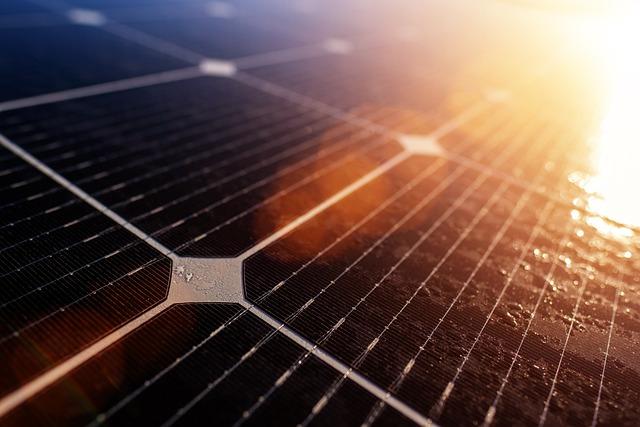
Solar Panels and Storms Understanding Resilience
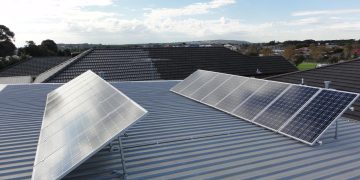
Solar panels are crafted with durability in mind, yet the forces of nature can be unpredictable. Understanding how these energy savers stand up against tumultuous weather is essential for homeowners and businesses alike. Modern solar panels are typically built to withstand wind speeds of up to 140 mph, akin to a Category 4 hurricane. However, their resilience is not solely about brute strength; it involves a complex interplay of design, material quality, and installation techniques.
- Wind: While high winds pose a risk, proper mounting systems and angling can reduce potential damage.
- Hail: Panels are tested against hail impact, often up to one inch in diameter, ensuring minimal risk of breakage.
- Heavy Rain and Snow: Well-sealed and tilted panels encourage runoff, preventing water accumulation and snow load.
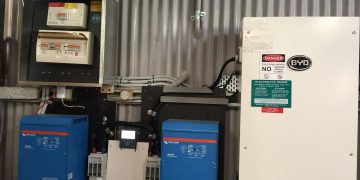
Beyond the physical aspects, advancements in technology have enabled solar systems to be more adaptive. Smart inverters and battery storage solutions allow energy capture and usage even when panels might be temporarily compromised. Embracing these innovations not only secures energy production but also enhances the overall resilience of solar power systems against nature’s fury.

The Impact of Hail on Solar Panel Efficiency
Hail can be a formidable adversary to solar panels, yet modern designs and materials have significantly improved their resilience. When hailstones pummel down, the surface integrity of the panels may be tested. However, most solar panels are engineered with tempered glass, a robust material capable of withstanding hail up to a certain size and velocity. Despite this, efficiency might be compromised if panels suffer micro-cracks, which can impede their ability to convert sunlight into energy effectively.
- Durability Factors: Solar panels today are often subjected to rigorous testing to ensure they meet international hail impact standards.
- Maintenance Tips: Regular inspections can help identify potential damage early, and protective coatings can be applied to enhance resistance.
- Insurance Considerations: Many homeowners include hail damage in their solar panel insurance policies, providing peace of mind and financial protection.
Protecting Your Investment During Heavy Rain
Ensuring the longevity and efficiency of your solar panels during periods of heavy rain is crucial for safeguarding your investment. While modern solar panels are designed to withstand harsh weather conditions, there are a few proactive measures you can take to enhance their durability. Regular maintenance is key; check for debris accumulation on the panels and around the mounting system to prevent any potential damage. Additionally, inspect the wiring and connections to ensure they are secure and not exposed to water.
- Clear gutters and drainage systems: This prevents water from pooling near the panels.
- Install a protective barrier: Consider using wind deflectors or hail guards if you live in areas prone to severe weather.
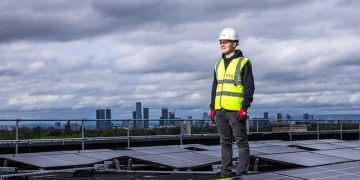
- Schedule professional inspections: Having a solar technician inspect your setup annually can help identify any vulnerabilities before the rainy season.
By taking these steps, you not only protect your solar panels but also ensure they continue to perform optimally, even when the skies are less than sunny.
Snowfall and Solar Energy Maximizing Winter Performance
During winter, snow can blanket solar panels, potentially reducing their efficiency. However, this snowy scenario is not necessarily detrimental to solar energy production. Snowfall can act as a natural cleaner for solar panels. As snow melts and slides off, it can carry away dust and debris that may have accumulated over time, enhancing the panel’s efficiency once exposed to sunlight again. Additionally, the albedo effect, where sunlight reflects off the snow, can actually increase the light that reaches solar panels, boosting energy generation.
To ensure optimal performance during snowy months, consider these strategies:
- Install panels at a steeper angle to help snow slide off more easily.
- Utilize bifacial solar panels, which can capture reflected sunlight from the snow.
- Invest in a snow rake designed specifically for solar panels to clear excess snow.
- Implement a monitoring system to keep track of energy production and detect any drop in performance quickly.
These methods can help in maintaining a steady flow of solar energy even when the world outside is wrapped in a white, wintry blanket.
To Conclude
As we conclude our exploration of solar panels and their resilience in the face of inclement weather, it’s clear that the sun’s gift to us is not so easily diminished by clouds, rain, or snow. While nature’s whims may temporarily obscure or hinder the sun’s rays, the technology behind solar panels has been designed to withstand and adapt to such challenges. From innovative materials to strategic placements, solar energy systems continue to shine through adversity, embodying a quiet resilience. As we stand at the intersection of nature and technology, the partnership between solar energy and the environment invites us to imagine a future where sustainable energy isn’t just a fair-weather friend but a steadfast companion, regardless of the skies above.