











As the sun rises over sprawling cityscapes, a quiet revolution is unfolding on rooftops, parking lots, and urban peripheries. Urbanization, the relentless march of humanity towards city life, is sculpting the skylines of tomorrow and, with it, shaping the future of energy consumption. In this intricate dance between concrete and sunlight, the solar market finds fertile ground to flourish. The dynamic interplay between the growth of urban areas and the increasing adoption of solar energy technologies presents a compelling narrative of opportunity and challenge. This article delves into the heart of this transformation, exploring how the swelling tides of urbanization are influencing the trajectory of solar market growth, and what this means for the future of sustainable energy in our cities.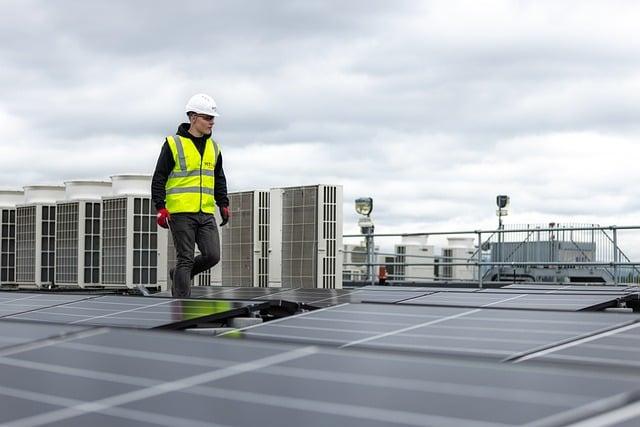
Urbanization Trends and Their Impact on Solar Energy Demand
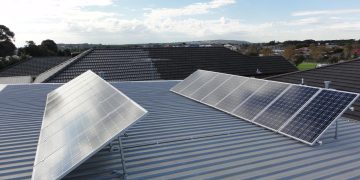
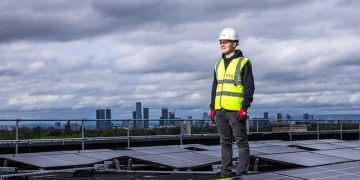
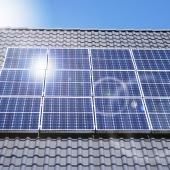
The rapid expansion of urban areas is reshaping the landscape of energy consumption, particularly boosting the demand for solar energy solutions. As cities grow, they create unique opportunities and challenges for the solar market. Urban areas, with their dense populations and extensive infrastructure, require innovative approaches to integrate solar technologies. Rooftop solar installations are becoming a viable solution, taking advantage of the vast expanse of unused rooftops across residential and commercial buildings.
- Increased Energy Needs: The surge in population density in urban centers leads to higher electricity demands, making solar energy a sustainable alternative.
- Space Optimization: Urban planning increasingly incorporates solar panels in designs to utilize limited space effectively.
- Technological Advancements: Innovations such as building-integrated photovoltaics (BIPV) allow solar panels to be part of the building materials, further encouraging adoption in cities.
Furthermore, urban policies often support renewable energy adoption, providing incentives and frameworks that encourage the integration of solar power. As cities strive for sustainability, solar energy not only addresses environmental concerns but also enhances energy security, aligning with global efforts to reduce carbon footprints.
Harnessing Urban Growth: Opportunities for Expanding Solar Infrastructure
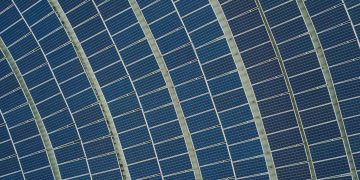
As urban areas continue to swell with burgeoning populations and sprawling developments, the landscape for solar infrastructure presents a fertile ground for innovation and expansion. The intricate web of rooftops, parking lots, and public spaces provides a plethora of untapped opportunities for solar panel installations. With cities being at the forefront of energy consumption, transitioning these urban spaces into renewable energy hubs could significantly alter the dynamics of the solar market. This shift not only promises a reduction in carbon footprints but also empowers local economies by creating jobs and fostering sustainable growth.
Urban growth facilitates the integration of solar energy in a myriad of ways:
- Rooftop Solar Panels: The dense architecture of cities offers extensive rooftop spaces, making them ideal for solar installations.
- Solar Parking Lots: Transforming parking lots into solar power generators by installing panels above cars provides dual benefits of energy generation and vehicle shading.
- Community Solar Projects: Urban areas can spearhead community solar initiatives, allowing residents without suitable rooftops to partake in solar energy benefits.
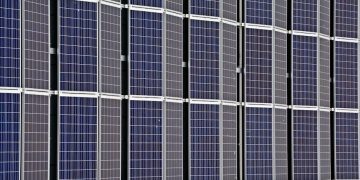
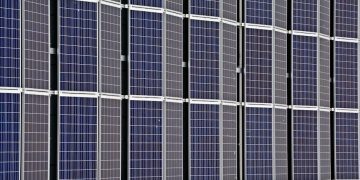
- Innovative Building Designs: Incorporating solar panels into building facades and windows can maximize energy capture in limited spaces.
With the synergy between urbanization and solar technology, cities stand at the cusp of an energy revolution that not only meets the demands of the present but also safeguards the future. By embracing these opportunities, urban landscapes can transform into bastions of clean energy, driving the solar market towards unprecedented growth.
Challenges and Solutions in Integrating Solar Power into Urban Landscapes
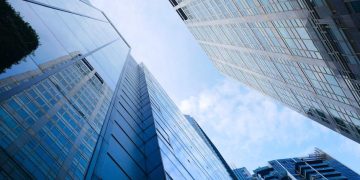
Urban landscapes present a unique set of challenges when it comes to integrating solar power. High-rise buildings, limited roof space, and shading from surrounding structures can significantly reduce solar energy potential. Moreover, the aesthetic concerns of city planners and residents often clash with the utilitarian appearance of solar panels. To address these challenges, innovative solutions have emerged that blend functionality with design. BIPV (Building Integrated Photovoltaics), for example, allows solar cells to be embedded directly into building materials, such as windows and facades, transforming skyscrapers into vertical power generators.
- Rooftop Gardens and Solar Panels: Combining green roofs with solar installations not only optimizes space but also improves panel efficiency by reducing ambient temperatures.
- Community Solar Projects: These initiatives allow urban residents who lack adequate roof space to invest in shared solar farms, promoting inclusivity in clean energy adoption.
- Smart Grid Integration: Utilizing smart grids can efficiently manage the fluctuating energy outputs typical of solar power, ensuring a stable supply to urban areas.
As urbanization continues to influence the solar market, these solutions highlight the potential for cities to evolve into sustainable powerhouses. Embracing these innovations not only addresses current challenges but also paves the way for a greener urban future.

Strategic Recommendations for Boosting Solar Market Growth in Urban Areas
In the face of rapid urbanization, there are several strategic pathways to invigorate the solar market within urban landscapes. Cities, with their dense infrastructure and diverse energy needs, provide a unique opportunity to expand solar adoption. One pivotal recommendation is the integration of solar solutions in urban planning and zoning policies. By mandating solar installations in new building projects and incentivizing retrofits, cities can ensure that solar becomes a staple in urban development. Additionally, the implementation of community solar programs can democratize access, allowing residents without suitable rooftops to partake in solar benefits, fostering a broader community buy-in.
- Innovative Financing Models: Explore power purchase agreements (PPAs) and leasing options to lower upfront costs for consumers.
- Public Awareness Campaigns: Educate urban dwellers on the economic and environmental advantages of solar energy through workshops and digital platforms.
- Collaborations with Tech Firms: Leverage partnerships with technology companies to integrate smart grids and energy storage solutions.
Moreover, the emphasis on technological advancements is crucial. Encouraging research and development in solar technology can lead to more efficient panels and innovative applications tailored for urban settings, such as solar windows and building-integrated photovoltaics (BIPV). By embracing these strategies, cities can effectively harness the power of the sun, ensuring a sustainable and resilient energy future.
Future Outlook
As the sun sets on our exploration of urbanization’s influence on the solar market, it becomes clear that the intertwining of these two forces is reshaping the landscape of our cities and our energy future. Urbanization, with its relentless march, presents both challenges and opportunities for solar energy’s ascension. It compels us to rethink how we harness the sun’s power amid the concrete and steel of our urban jungles.
The dance between urban growth and solar innovation is just beginning. As cities expand, they become both the stage and the actors in this unfolding drama, pushing solar technology to new heights while demanding sustainable solutions to power their progress. In this evolving narrative, solar energy emerges not just as a beacon of hope for cleaner cities, but as a testament to human ingenuity and adaptability.
As we stand on the cusp of this solar-powered urban future, the question remains: how brightly will we let the sun shine on our cities? The answer lies in our ability to embrace change, innovate fearlessly, and illuminate the path toward a sustainable tomorrow. The story of urbanization and solar growth is still being written, and it is up to us to ensure that its next chapters are filled with light and promise.