












In an age where sustainability is no longer just a buzzword but a pressing necessity, the sun has emerged as a beacon of hope, offering an inexhaustible source of clean energy. Imagine transforming your rooftop into a personal power plant, capturing the sun’s rays to illuminate your home and energize your life. But just ? As we delve into the mechanics of harnessing sunlight, we’ll explore the variables that determine solar output, from geographic location to panel efficiency, and how these factors combine to paint a picture of potential energy independence. Join us on this enlightening journey as we unravel the capabilities of home solar systems and their role in shaping a sustainable future.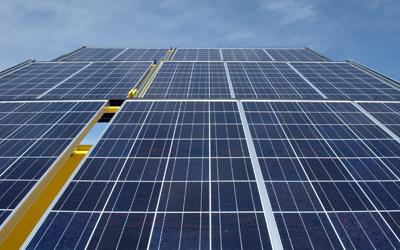
Understanding Solar Panel Efficiency and Capacity
When it comes to tapping into the sun’s energy, understanding the intricacies of solar panel efficiency and system capacity can illuminate the potential power output for your home. Efficiency, in essence, refers to how well a solar panel can convert sunlight into usable electricity. Panels with higher efficiency will produce more energy even in limited space or less-than-ideal weather conditions. However, efficiency isn’t the sole factor in determining the total electricity a system can generate.
Consider these key components that influence a home’s solar output:
- Panel Size: Larger panels can capture more sunlight, increasing total energy production.
- Geographical Location: Sunlight availability varies greatly by location, with sunnier regions yielding more power.
- System Configuration: The layout and angle of installation can impact how much sunlight hits the panels.
- Inverter Efficiency: A high-quality inverter ensures maximum conversion of DC power from panels to AC power for home use.
Ultimately, the synergy between these elements will dictate the energy a home solar system can produce, offering a tailored solution to meet your household’s electricity needs.
Maximizing Energy Output through Optimal Panel Placement
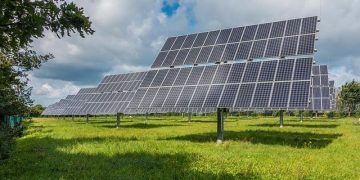
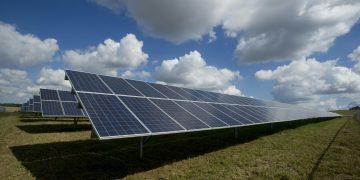
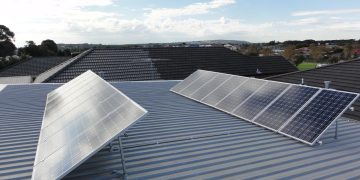
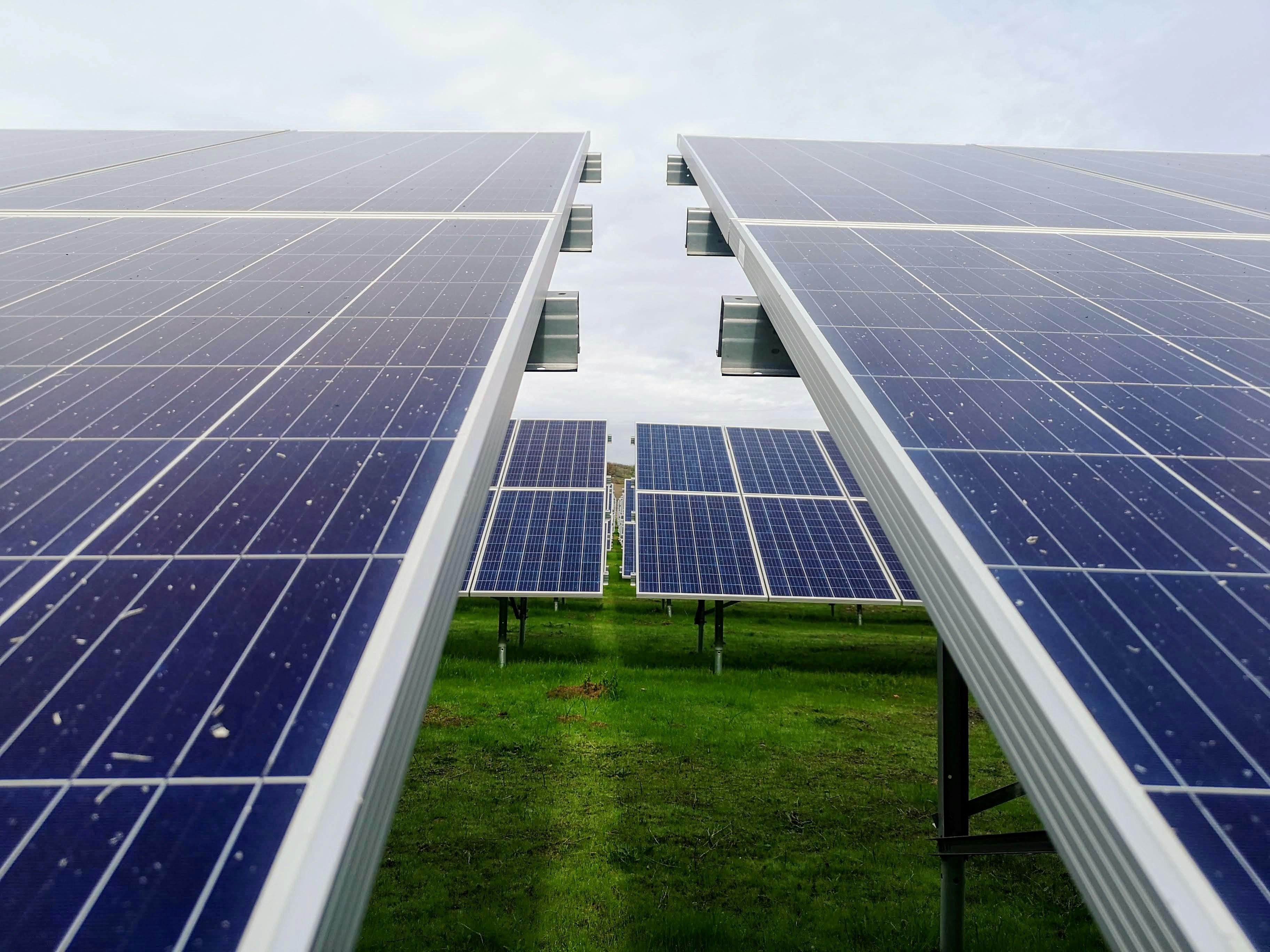
Achieving the highest energy yield from your home solar system hinges significantly on the strategic arrangement of the panels. The optimal placement involves considering several critical factors that collectively enhance performance. Firstly, orientation plays a vital role; aligning panels to face true south in the Northern Hemisphere can maximize sun exposure throughout the day. Moreover, the tilt angle should be adjusted to match your latitude, optimizing the angle at which sunlight strikes the panels.
It’s also crucial to minimize shading as even partial shadows can drastically reduce output. Ensure that nearby trees, buildings, or other obstructions do not cast shadows on the panels, particularly during peak sunlight hours. Additionally, consider the spacing between rows of panels to prevent self-shading and allow for maintenance access. By addressing these elements, you can significantly enhance the efficiency and electricity production of your solar system, transforming your home into a beacon of sustainable energy.
Analyzing Seasonal and Geographic Variations in Solar Production
Understanding the influence of seasonal and geographic factors is crucial when evaluating the electricity output of a home solar system. Solar production can vary significantly depending on the time of year and the location of the installation. In regions closer to the equator, solar panels benefit from more consistent sunlight throughout the year. However, in areas further from the equator, seasonal shifts can lead to notable variations. For example, during summer months, the extended daylight hours result in higher solar energy production, whereas shorter days in winter can reduce output.
Geographic factors also play a vital role. Key considerations include:
– Latitude: Determines the angle and intensity of sunlight, impacting overall efficiency.
- Climate: Cloud cover and weather patterns can significantly influence solar panel performance.
– Altitude: Higher altitudes may experience more intense sunlight, potentially increasing production.
– Local obstructions: Trees, buildings, and other structures can cause shading, reducing energy capture.
By taking these variations into account, homeowners can better anticipate the potential output of their solar systems, ensuring optimal placement and maximizing energy generation year-round.

Tailoring Your Solar System for Maximum Household Energy Needs
Designing a solar system that caters to your household’s energy demands requires a strategic approach. Begin by evaluating your current electricity usage to understand your baseline energy needs. Consider installing a system that not only meets these requirements but also accommodates future growth. Key factors to consider include:
- Location: Geographic location influences the amount of sunlight your panels will receive, directly impacting energy production.
- Panel Efficiency: Opt for high-efficiency panels to maximize output, especially if roof space is limited.
- System Size: Balance between your budget and the potential energy yield. Larger systems generally produce more power but come with a higher upfront cost.
- Battery Storage: Invest in battery storage solutions to harness excess energy, ensuring a continuous power supply even when the sun isn’t shining.
Integrating smart energy management systems can further enhance the effectiveness of your setup. These systems can optimize energy usage, diverting power to essential appliances during peak hours and storing surplus energy for later use. By tailoring your solar installation to match your household’s unique energy profile, you can achieve a sustainable and cost-effective energy solution.
In Retrospect
As we bask in the golden glow of solar potential, it’s clear that the capacity of a home solar system to generate electricity is as varied as the homes it powers. Whether you’re perched on a sun-drenched hillside or nestled in a shaded suburb, the dance of photons across your rooftop offers a unique opportunity to harness nature’s bounty. The energy produced by your solar panels is not just measured in kilowatts but in the empowerment of sustainable living and the promise of a cleaner tomorrow. As you contemplate the possibilities, remember that the sun’s embrace is just the beginning of your journey toward energy independence. With each ray captured, you’re not just fueling your home, but illuminating a path toward a brighter, more sustainable future.