





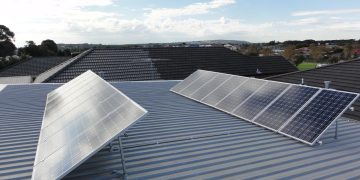


Harnessing the boundless energy of the sun has never been more accessible, yet the art of capturing its full potential lies in a delicate balance of science and strategy. Imagine your rooftop as a canvas, each solar panel a brushstroke in a masterpiece of sustainability. This article will guide you through the intricate dance of optimizing solar panel placement, transforming your roof into an efficient powerhouse of renewable energy. Whether you’re a seasoned eco-warrior or a curious homeowner, join us as we unravel the secrets to maximizing sunlight and efficiency, ensuring that every ray counts in your quest for greener living.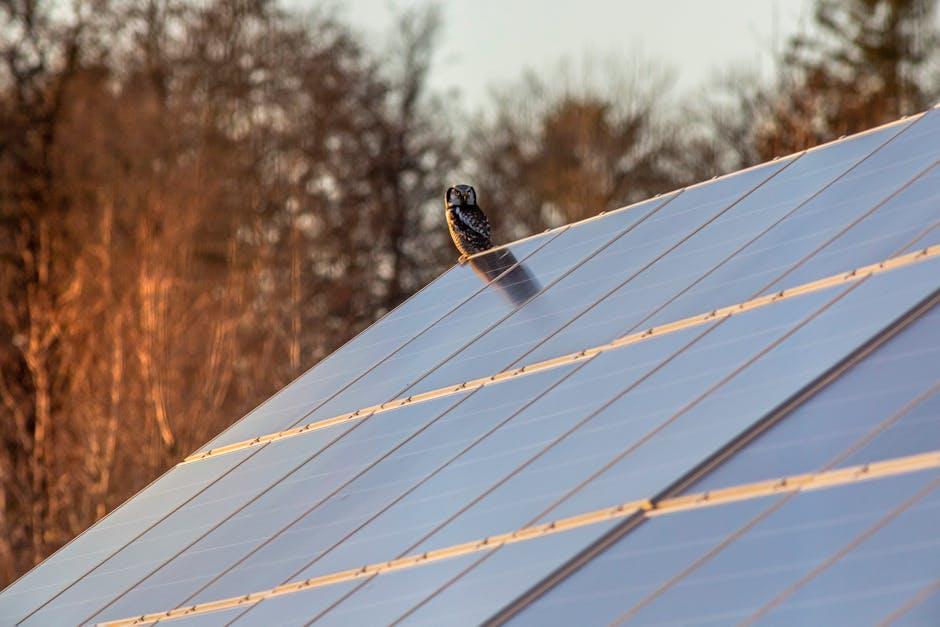
Maximizing Sun Exposure for Optimal Energy Capture
When it comes to harnessing the power of the sun, strategic positioning of your solar panels is key. Ensuring optimal energy capture requires a balance of angles, orientation, and site-specific considerations. Consider the following tips to maximize sun exposure:
- Orient Southward: In the Northern Hemisphere, orienting panels towards the south can significantly boost energy capture, as this direction receives the most consistent sunlight throughout the day.
- Adjust the Tilt: The angle of your solar panels should correspond to your geographical latitude. This maximizes exposure during peak sun hours and accommodates seasonal variations.
- Avoid Shading: Ensure that your panels are free from shadows cast by nearby trees, buildings, or chimneys. Even partial shading can greatly reduce efficiency.
Remember, every roof is unique, so take into account any specific architectural features or local climate conditions that might influence the sunlight reaching your panels. Utilizing tools like solar pathfinders or consulting with a solar professional can provide deeper insights into optimizing your setup for the best energy yield.

Understanding Roof Orientation and Tilt for Solar Efficiency
When it comes to maximizing the efficiency of your solar panels, the orientation and tilt of your roof play a crucial role. Proper alignment ensures that your panels capture the maximum amount of sunlight throughout the day. Orientation refers to the direction your roof faces. Ideally, in the northern hemisphere, a south-facing roof is optimal, as it receives the most sunlight. However, east and west orientations can also be effective, depending on your energy needs and geographical location.
Tilt is the angle at which your solar panels are installed. This angle should ideally be equal to your latitude to capture sunlight most effectively. However, several factors might influence this decision, such as roof pitch, architectural constraints, or aesthetic considerations. Some key points to consider when determining the optimal tilt include:
- Seasonal Sun Path: Adjusting the tilt angle can help optimize energy production during different seasons.
- Local Weather Patterns: Areas with heavy snowfall might benefit from steeper angles to prevent accumulation.
- Shading: Avoiding shaded areas ensures that panels receive unobstructed sunlight.
Navigating Shade and Obstructions to Enhance Solar Output
Maximizing the efficiency of your solar panels involves strategically considering the potential shade and obstructions on your roof. Trees, chimneys, and neighboring buildings can cast shadows that significantly impact energy production. To ensure optimal solar output, it’s crucial to evaluate these elements and make informed decisions. Here are some key strategies to help you navigate these challenges:
- Conduct a Solar Site Assessment: Use tools like solar pathfinders or apps that track the sun’s path to identify which areas of your roof receive the most sunlight throughout the year.
- Trim or Remove Trees: If trees are casting shadows, consider trimming branches or, if feasible, removing the trees entirely. This not only enhances solar access but also protects your roof from potential damage.
- Position Panels Strategically: Place panels in areas that are least affected by shadows. Sometimes, a slight adjustment in panel orientation can make a substantial difference in energy capture.
- Consider Microinverters or Power Optimizers: These devices can mitigate the effects of shading by optimizing the output of individual panels, ensuring that shaded panels do not drag down the performance of the entire array.
By thoughtfully addressing these obstructions, you can significantly enhance the overall performance of your solar installation, ensuring that you harness the maximum potential of the sun’s energy.
Choosing the Right Solar Panel Configuration for Your Roof
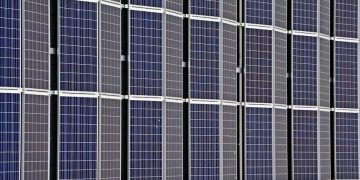
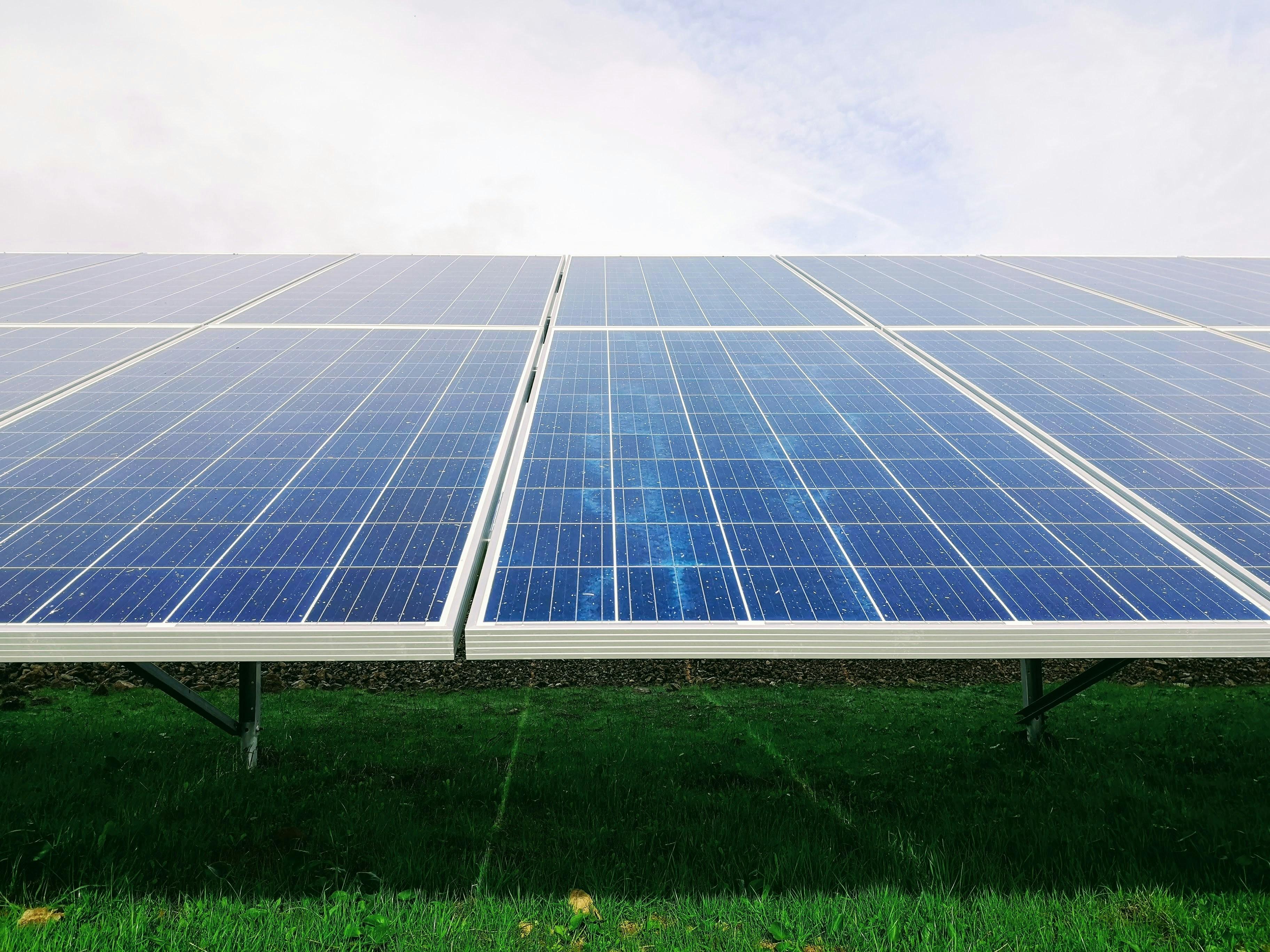
When aiming to maximize the efficiency of your solar energy system, understanding the diverse configurations available is crucial. Monocrystalline panels are a popular choice for those seeking high efficiency and a sleek appearance, perfect for limited roof space. Alternatively, polycrystalline panels offer a cost-effective solution with slightly less efficiency, making them ideal for larger roof areas. Thin-film panels, while less common, provide flexibility and lightweight options for unconventional roof shapes.
- Monocrystalline Panels: High efficiency, great for limited space.
- Polycrystalline Panels: Cost-effective, suitable for larger roofs.
- Thin-film Panels: Flexible and lightweight for unique roof designs.
Consider the orientation and tilt of your roof, as these factors significantly impact solar performance. South-facing roofs typically yield the best results, but east or west orientations can also be effective with proper adjustments. An optimal tilt angle, generally between 15 to 40 degrees depending on your latitude, enhances energy capture throughout the year. By assessing these elements and selecting the appropriate panel type, you can tailor a configuration that not only fits your roof but also maximizes your solar energy potential.
Concluding Remarks
As the sun dips below the horizon, casting a warm glow over the day’s accomplishments, it’s clear that optimizing solar panel placement is not just about harnessing energy; it’s about harnessing potential. The journey to maximize efficiency on your rooftop is a dance of angles and sunlight, where every degree matters and every shadow tells a story. By thoughtfully considering orientation, tilt, and shading, you transform your home into a beacon of sustainability, a testament to the power of informed choices.
With these insights at your fingertips, you’re now equipped to embark on your solar journey, confident in the knowledge that each panel has found its rightful place under the sun. As you look to the future, remember that the quest for renewable energy is as much about innovation and adaptability as it is about the simple act of letting the sun shine in. Here’s to a brighter, more sustainable tomorrow, one rooftop at a time.