




















In the vast expanse of the cosmos, the sun reigns as an unyielding beacon of energy, a celestial powerhouse casting its golden rays upon the Earth. This abundant source of light and warmth has inspired humanity for millennia, and in recent decades, it has been hailed as a savior in the fight against climate change. Yet, as we stand on the precipice of an environmental revolution, a critical question emerges from the shadows: is solar energy truly the panacea we envision, or has its promise been eclipsed by the glow of overhyped optimism? This article delves into the luminous allure and potential pitfalls of solar energy, unraveling the complexities of its role in our quest for a sustainable future. As we journey through the sunlit landscape of solar solutions, we aim to shed light on whether this radiant technology is indeed the cornerstone of our climate strategy or merely a mirage in the desert of our aspirations.
The Promise and Pitfalls of Solar Energy in Combating Climate Change
Solar energy shines as a beacon of hope in the battle against climate change, offering a renewable, clean, and increasingly affordable source of power. Its potential to reduce reliance on fossil fuels is undeniable, with solar panels now adorning rooftops from urban centers to remote rural areas. The global push for sustainable energy has propelled significant advancements in solar technology, making it more efficient and accessible than ever before. The vision is clear: a world where sunlight powers our homes, industries, and even transportation, significantly slashing greenhouse gas emissions.
However, this radiant promise is not without its shadows. Several challenges accompany the widespread adoption of solar energy, including:
- Intermittency: Solar power generation is dependent on sunlight, which varies with weather conditions and time of day.
- Land Use: Large-scale solar farms require significant land, which can impact ecosystems and agriculture.
- Resource Intensity: The production of solar panels involves mining and processing materials like silicon and rare metals, which have their own environmental footprint.
- End-of-Life Disposal: The disposal and recycling of solar panels pose a future challenge as they reach the end of their lifespan.
These pitfalls, while notable, do not overshadow the potential of solar energy but rather highlight the need for a comprehensive strategy that includes energy storage solutions, innovative recycling technologies, and integrated land-use planning.

Unpacking the Efficiency and Scalability of Solar Solutions
In the discussion around solar energy, two critical aspects often come to the forefront: its efficiency and scalability. Solar panels have evolved significantly, boasting higher conversion efficiencies thanks to advancements in photovoltaic technology. However, the reality remains that they still face limitations due to weather dependency and geographical constraints. Scalability, on the other hand, presents a more optimistic narrative. The modular nature of solar installations means they can be deployed from small-scale residential rooftops to large utility-scale solar farms. This adaptability allows for tailored solutions to fit diverse energy needs.
- Energy Conversion: Modern panels can convert up to 22% of sunlight into electricity, yet this is still far from optimal, with ongoing research aiming for higher efficiency rates.
- Modular Flexibility: Solar installations can start small and expand as needed, providing a scalable approach that other renewable technologies might lack.
- Global Potential: While some regions bask in abundant sunlight, others may not, affecting overall effectiveness on a global scale.
The duality of these factors highlights the need for a balanced perspective. While the promise of solar energy is substantial, it must be paired with complementary technologies and infrastructure to meet global energy demands effectively.

Economic and Environmental Impacts of Solar Adoption
The adoption of solar energy brings both economic and environmental impacts that are reshaping the global landscape. On the economic front, solar power offers significant potential for job creation, with opportunities spanning from manufacturing and installation to maintenance and research. In regions where sunlight is abundant, the cost of solar power generation has plummeted, providing a competitive edge over traditional fossil fuels. Moreover, solar energy can reduce electricity bills for households and businesses, while decreasing reliance on grid infrastructure, thus fostering energy independence.
Environmentally, solar adoption plays a crucial role in reducing carbon footprints, as it produces clean energy without emitting greenhouse gases. This transition is pivotal for combating climate change, as it directly reduces the reliance on coal and natural gas. However, the production and disposal of solar panels raise concerns about resource extraction and waste management. Key environmental benefits include:
- Reduction in air pollution
- Conservation of water resources
- Decreased habitat disruption compared to fossil fuel extraction
While solar energy is not without its challenges, its potential for creating a sustainable future cannot be overlooked.
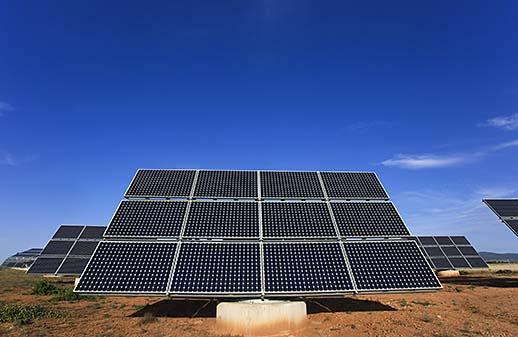
Strategic Approaches to Integrate Solar Power in Global Energy Plans
Incorporating solar power into global energy strategies requires a nuanced understanding of both technological capabilities and economic realities. Policymakers and industry leaders must collaborate to create adaptable frameworks that cater to the diverse needs of different regions. By focusing on scalability and local resource availability, solar power can be effectively integrated into the broader energy landscape. Key strategic approaches include:
- Incentivizing innovation: Governments can provide tax breaks and grants to encourage research and development in solar technologies, aiming to improve efficiency and reduce costs.
- Infrastructure investment: Building robust grid systems that can handle intermittent energy sources is crucial. This includes developing smart grids and enhancing storage capabilities.
- Public-private partnerships: Collaborative ventures can drive large-scale solar projects, leveraging the strengths of both sectors to accelerate deployment.
- Education and awareness: Raising public awareness about the benefits and limitations of solar energy can foster a more supportive environment for its adoption.
Strategically integrating solar power into energy plans involves not only technological advancements but also a holistic approach that considers economic, social, and environmental impacts. By aligning these elements, solar power can play a pivotal role in a sustainable energy future.
In Summary
As we cast our eyes toward the horizon of a sustainable future, the sun remains both a symbol of hope and a subject of scrutiny. While solar energy undeniably offers a glimmer of promise in our quest to combat climate change, it is not a panacea. Its role, though significant, is but one piece in the intricate puzzle of global sustainability. The dialogue surrounding solar energy should not be about overhyping or undermining its potential but rather about understanding its rightful place in a diversified energy portfolio. As we move forward, let us harness the sun’s power with wisdom and innovation, recognizing that the journey to a greener planet requires a mosaic of solutions. the sun’s true potential lies not just in its rays, but in how we choose to channel them for the greater good.