






In a world increasingly powered by the sun, the fusion of solar energy with cutting-edge technology is illuminating new possibilities. At the heart of this transformation lies the Internet of Things (IoT), a network of interconnected devices that is revolutionizing how we harness, monitor, and manage solar power systems. Imagine a future where solar panels communicate with each other, anticipate weather changes, and optimize energy output with minimal human intervention. This is not a distant dream but an emerging reality, as IoT seamlessly integrates with solar technology to create smarter, more efficient energy solutions. In this article, we delve into the pivotal role IoT plays in managing solar power systems, exploring how this synergy enhances performance, reduces costs, and paves the way for a sustainable energy future. Join us as we unravel the intricacies of this dynamic relationship, where technology meets sustainability in a harmonious dance of photons and data.
Harnessing Connectivity to Optimize Solar Efficiency
In the realm of renewable energy, the Internet of Things (IoT) emerges as a transformative force, revolutionizing how solar power systems are managed and optimized. By leveraging IoT technology, solar systems can now communicate with each other and with centralized management platforms, offering real-time data and insights. This connectivity allows for precise monitoring of solar panel performance, weather conditions, and energy consumption patterns. Smart sensors and devices are integrated into the solar infrastructure, enabling predictive maintenance and reducing downtime by alerting operators to potential issues before they escalate.
- Enhanced energy production through real-time data analysis.
- Reduced operational costs by minimizing manual inspections and interventions.
- Improved system reliability with predictive maintenance capabilities.
- Increased grid stability by dynamically adjusting energy flow based on demand and supply.
Moreover, IoT-enabled solar systems facilitate seamless integration with other smart grid components, allowing for a more holistic approach to energy management. This not only boosts the overall efficiency of solar installations but also supports a more sustainable energy future by maximizing the utility of every solar panel deployed.
Data-Driven Insights for Enhanced Energy Management
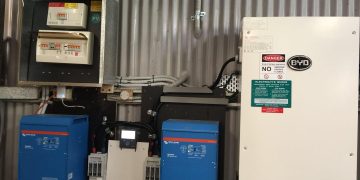
Incorporating IoT technology into solar power systems opens up a new horizon of possibilities for energy management. With the ability to connect and monitor various components in real-time, IoT devices provide a stream of data that can be analyzed to improve efficiency and predict potential issues before they occur. Remote monitoring of solar panels, inverters, and batteries enables operators to receive instant alerts about performance dips or maintenance needs, ensuring that energy output remains optimal. By leveraging these data-driven insights, energy managers can make informed decisions, optimize energy usage, and ultimately, reduce operational costs.
- Predictive Maintenance: IoT sensors continuously monitor equipment health, predicting failures before they happen.
- Energy Consumption Analysis: Detailed insights into consumption patterns help in adjusting usage and minimizing waste.
- Real-Time Data Access: Instant access to performance data allows for quick adjustments and optimizations.
- Scalability: IoT systems are easily scalable, allowing for the seamless addition of new solar installations.
With these advancements, the integration of IoT not only enhances operational efficiency but also paves the way for more sustainable energy solutions. By transforming data into actionable insights, IoT-enabled solar power systems are setting a new standard in energy management.
Ensuring Seamless Integration with Smart Grid Technology
In the evolving landscape of renewable energy, the Internet of Things (IoT) stands as a pivotal player in harmonizing solar power systems with smart grid technology. IoT facilitates real-time data collection and analysis, allowing for dynamic adjustments in energy distribution and consumption. This ensures that energy generated from solar panels is optimally utilized and efficiently integrated into the grid. By leveraging IoT, utility providers can implement advanced demand response strategies, effectively balancing supply and demand to prevent overloading and reduce wastage.
- Real-time monitoring of energy production and consumption
- Predictive maintenance to minimize downtime and maximize efficiency
- Automated energy management to align with grid requirements
Furthermore, IoT devices enable seamless communication between solar installations and grid operators, enhancing grid resilience and reliability. This interconnectedness allows for scalable energy solutions, accommodating the growing demand for renewable energy sources. By integrating IoT with smart grid technology, we pave the way for a more sustainable and resilient energy future, where solar power plays a central role in meeting global energy needs.
Recommendations for Implementing IoT in Solar Infrastructure
To effectively integrate IoT into solar infrastructure, several strategic recommendations should be considered. First, ensure robust network connectivity. Reliable internet access is essential for seamless data transmission between solar panels and monitoring systems. Utilizing technologies like LPWAN (Low Power Wide Area Network) can be advantageous for remote installations.
- Data Security: Implement strong encryption protocols to safeguard data integrity and prevent unauthorized access.
- Scalability: Choose IoT platforms that allow for easy scaling as solar installations expand.
- Interoperability: Opt for systems that support integration with existing energy management systems and various IoT devices.
Additionally, consider deploying predictive maintenance algorithms to anticipate equipment failures and optimize performance. This proactive approach minimizes downtime and extends the lifespan of solar assets. By focusing on these key areas, solar power systems can be effectively managed, maximizing energy production and efficiency.
In Conclusion
as the sun rises on a new era of energy management, the Internet of Things stands as a pivotal force in harnessing the full potential of solar power systems. By weaving a network of interconnected devices, IoT transforms solar energy management into a symphony of efficiency, precision, and sustainability. As we continue to innovate and refine these technologies, the horizon gleams with possibilities for a greener planet, where solar power is not just harvested, but meticulously orchestrated. The journey of IoT in solar energy is just beginning, promising a future where our reliance on the sun is both profound and profoundly intelligent.