






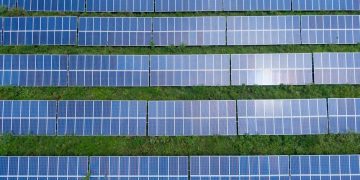




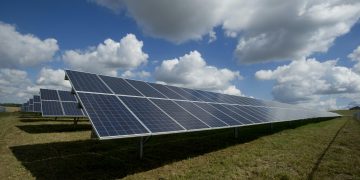


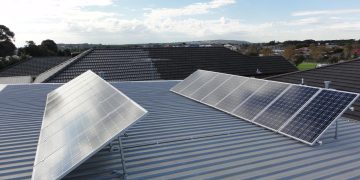

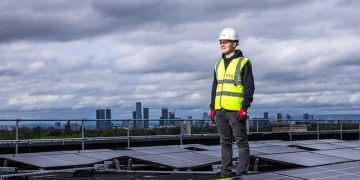



In the ever-evolving narrative of sustainable energy, solar panels often take center stage, gleaming as beacons of hope against the backdrop of climate change. As their popularity surges, they promise to harness the sun’s boundless energy and illuminate a path toward a cleaner, greener future. Yet, beneath their polished surfaces lies a complex tale that invites scrutiny. This article embarks on a journey to unravel the paradox of solar panel production—a process that, while heralded for its environmental benefits, may harbor hidden costs. Are the environmental footprints left by the manufacturing of these panels significant enough to eclipse their green promise? Join us as we explore this intricate dance between innovation and impact, shedding light on whether solar panels truly shine as the paragons of sustainability they aspire to be.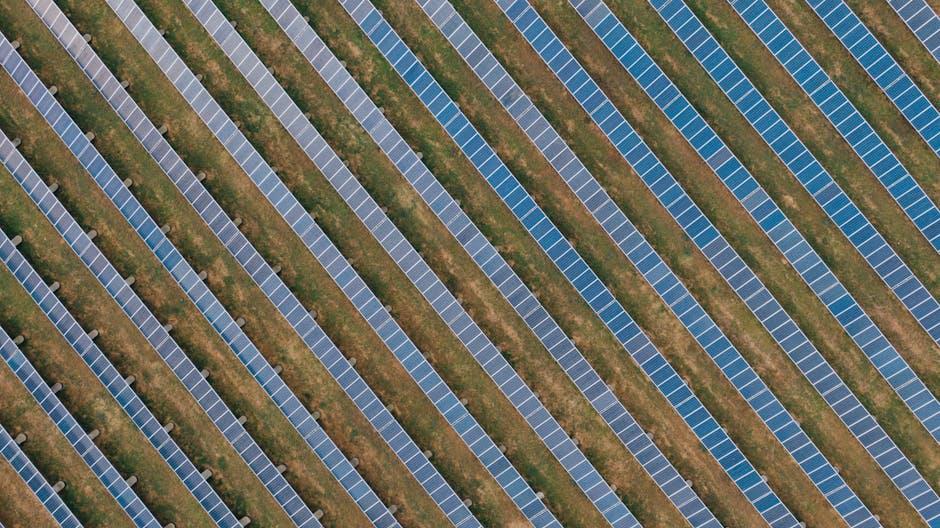
Evaluating the Environmental Impact of Solar Panel Manufacturing
When examining the environmental impact of producing solar panels, it’s essential to consider the full spectrum of manufacturing processes. The journey begins with the extraction of raw materials, such as quartz for silicon production, which can lead to habitat disruption and pollution if not managed sustainably. The energy-intensive processes involved in refining silicon and assembling solar cells often rely on non-renewable energy sources, contributing to carbon emissions. However, technological advancements are steadily reducing these impacts by improving energy efficiency and promoting the use of recycled materials.
On the brighter side, several strategies are being implemented to mitigate the negative effects of solar panel manufacturing. These include:
- Investing in green energy to power production facilities, thereby cutting down on fossil fuel dependence.
- Adopting closed-loop recycling systems to minimize waste and maximize material reuse.
- Utilizing less toxic chemicals in the production process to protect both workers and the environment.
As the industry evolves, these efforts are crucial in ensuring that the production of solar panels complements their environmental benefits rather than negating them.
Balancing Carbon Footprint: Production vs. Clean Energy Output
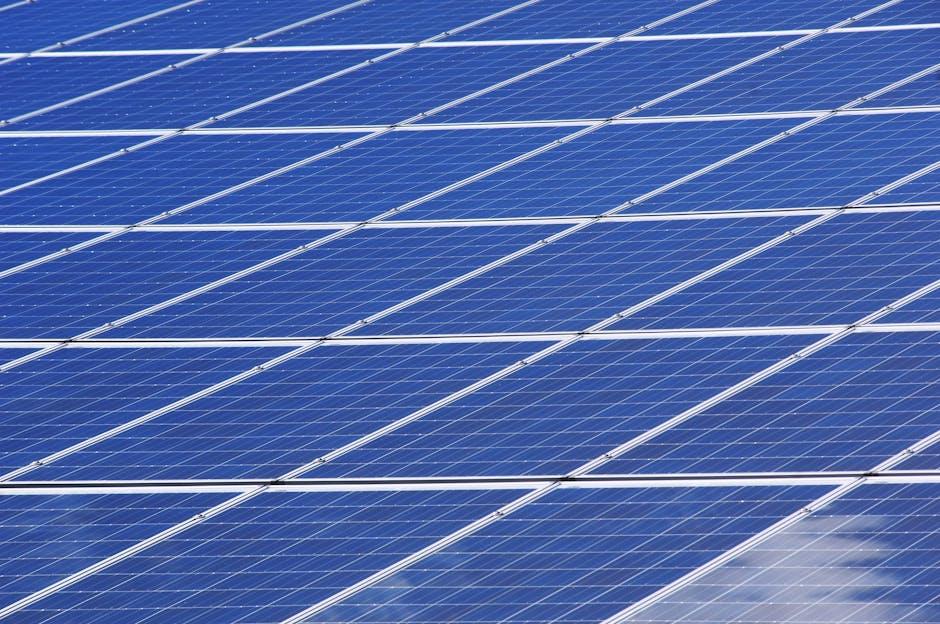
The journey from raw materials to a fully operational solar panel involves a series of energy-intensive processes. Mining, manufacturing, and transportation stages each leave a carbon footprint. For instance, the extraction of silicon, a key component, requires significant energy input, often derived from fossil fuels. Furthermore, the energy consumption associated with producing the photovoltaic cells and assembling them into panels can be substantial. Critics argue that this initial energy investment and the resultant emissions can, at first glance, overshadow the clean energy benefits solar panels promise.
However, it’s crucial to consider the lifespan and energy payback time of solar panels. While initial production is carbon-intensive, once installed, solar panels can generate clean energy for 20 to 30 years. This period often allows them to offset the carbon emissions incurred during production. Moreover, technological advancements continue to improve manufacturing efficiency and reduce the carbon footprint of production processes. The key lies in assessing whether the long-term clean energy output can significantly outweigh the initial environmental costs. In many cases, the scales tip in favor of solar energy as a sustainable solution.

Innovations in Eco-Friendly Solar Technology
The realm of solar technology has witnessed remarkable advancements, particularly in the quest for eco-friendly solutions that minimize environmental impact. Modern innovations are addressing concerns about the production processes of solar panels. Researchers and companies are exploring recyclable materials and sustainable manufacturing practices that aim to reduce the carbon footprint of production. By focusing on the entire lifecycle of solar panels, from creation to disposal, these innovations are not only enhancing efficiency but also promoting a circular economy.
- Bio-based Materials: The integration of organic and biodegradable materials in solar panel production is gaining traction, reducing reliance on finite resources.
- Energy-efficient Manufacturing: Cutting-edge techniques are being developed to lower energy consumption during production, making the process greener.
- Recycling and Reuse: New technologies enable the recycling of photovoltaic materials, ensuring that solar panels have a lesser environmental impact at the end of their lifecycle.
Such advancements in solar technology signify a promising shift towards more sustainable energy solutions, offering hope that the benefits of solar energy can be achieved without compromising the environment.
Practical Steps Towards Sustainable Solar Solutions
Embracing solar energy is a commendable step towards a greener future, but ensuring its sustainability requires a holistic approach. Here are some practical steps that can help maximize the environmental benefits of solar solutions:
- Opt for Efficient Manufacturing: Choose solar panels produced by manufacturers that prioritize energy-efficient processes and utilize renewable energy sources in their production facilities. This reduces the carbon footprint associated with panel manufacturing.
- Invest in Quality and Longevity: High-quality solar panels tend to have longer lifespans, which means fewer replacements and less waste. Opt for panels with robust warranties and proven durability to extend their lifecycle.
- Prioritize Recycling and Disposal: Support initiatives and companies that offer recycling programs for solar panels. Proper disposal and recycling can mitigate the environmental impact once panels reach the end of their usable life.
- Support Local and Ethical Sourcing: Whenever possible, choose solar panels that are manufactured locally or by companies that adhere to ethical sourcing practices. This reduces transportation emissions and supports sustainable labor practices.
- Enhance Energy Efficiency: Pair solar installations with energy-efficient appliances and home improvements. This not only maximizes the use of solar power but also reduces overall energy consumption.
Future Outlook
As we reach the end of our exploration into the environmental impact of solar panel production, it’s clear that the journey to a sustainable future is as complex as it is promising. While the initial energy and resources required to produce solar panels pose undeniable challenges, the long-term benefits they offer in reducing carbon footprints cannot be overlooked. Like the sun breaking through a cloudy sky, the path forward demands both innovation and responsibility. As technology advances and manufacturing processes become more efficient, the scales may tip ever more favorably toward sustainability. It remains essential for stakeholders—from scientists and policymakers to consumers and manufacturers—to engage in a balanced dialogue, ensuring that the quest for green energy solutions truly honors the environment they aim to protect. Thus, as we harness the power of the sun, let us also illuminate the path to a cleaner, more harmonious world.