


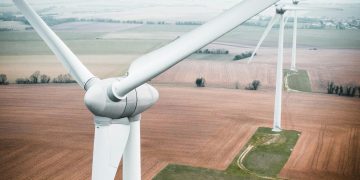


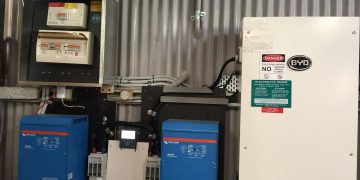






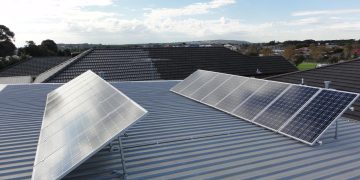







In the dawn of a new energy era, the horizon is painted with both the warmth of the sun and the enduring shadows of fossil fuels. As the world teeters on the brink of an energy revolution, the question of whether solar power should be integrated with traditional fossil fuels emerges as a pivotal debate. This article delves into the intricate dance between these two energy giants, exploring the potential harmony in their integration as humanity strides towards a sustainable future. By examining the synergies and tensions between solar and fossil fuels, we aim to shed light on the feasibility and implications of this transitional strategy, inviting readers to envision a landscape where innovation meets tradition in the quest for energy solutions.
Balancing the Grid: Exploring the Synergy Between Solar and Fossil Fuels
In the quest for a sustainable energy future, integrating solar power with traditional fossil fuel systems presents a compelling solution. The synergy between these energy sources could play a pivotal role in balancing the grid and ensuring a stable energy supply. While solar energy offers clean and renewable power, its intermittent nature poses challenges that fossil fuels, with their consistent output, can mitigate. By leveraging the strengths of both, we can create a hybrid system that enhances grid reliability and flexibility.
- Efficiency: Combining solar with fossil fuels can optimize energy efficiency by utilizing solar during peak daylight hours and fossil fuels during periods of low solar output.
- Cost-Effectiveness: This integration could reduce overall energy costs by minimizing the need for expensive battery storage solutions.
- Scalability: A hybrid approach allows for gradual scaling of renewable energy sources while maintaining grid stability.
Through thoughtful integration, we can harness the best of both worlds, moving closer to a future where renewable energy is the backbone of our power systems, supported by the reliability of fossil fuels during transitional periods.

Innovative Energy Models: Lessons from Hybrid Power Systems
In recent years, the exploration of hybrid power systems has shed light on innovative energy models that blend the strengths of both renewable and non-renewable resources. This approach is particularly evident in systems that integrate solar power with traditional fossil fuels. By doing so, we can potentially create a more resilient and efficient energy infrastructure. Hybrid systems offer the flexibility to utilize solar energy during peak sunlight hours while relying on fossil fuels when solar output is low, ensuring a continuous and stable energy supply. This model not only optimizes resource use but also mitigates the intermittency issues associated with solar energy.
Hybrid power systems have demonstrated several compelling advantages:
- Cost Efficiency: Reducing dependency on fossil fuels can lower operational costs over time, especially as solar technology becomes more affordable.
- Environmental Impact: Combining solar with cleaner fossil fuel technologies, like natural gas, can significantly reduce carbon emissions.
- Energy Security: Diversifying energy sources within a single system enhances reliability and energy independence.
As we transition towards more sustainable energy practices, these innovative models highlight the potential for collaborative energy solutions that leverage the best of both worlds.

Strategic Roadmaps: Policy Recommendations for Seamless Integration
The integration of solar energy with fossil fuels is a pivotal strategy for a smooth transition to a sustainable energy future. To ensure seamless integration, policymakers must focus on a few key areas:
- Infrastructure Development: Investments in hybrid infrastructure that supports both solar and fossil fuel systems are crucial. This includes modernizing grid systems to accommodate intermittent solar power while maintaining reliable fossil fuel energy supply.
- Incentive Alignment: Implementing tax credits and subsidies for solar energy projects that coexist with fossil fuel operations can encourage energy companies to adopt a more balanced approach to energy production.
- Research and Innovation: Encouraging research into technologies that enhance the efficiency of solar-fossil hybrid systems can accelerate their adoption. This includes advancements in energy storage solutions and smart grid technologies.
By aligning these policy recommendations with existing energy frameworks, nations can effectively blend solar and fossil fuels, creating a resilient energy mix that supports both environmental goals and economic stability.

Overcoming Challenges: Addressing Technical and Economic Barriers
Integrating solar energy with fossil fuels presents a unique opportunity to bridge the gap towards a sustainable energy future. However, this transition is not without its challenges. Technical barriers such as the need for advanced grid infrastructure, energy storage solutions, and efficient hybrid systems are critical hurdles. These technologies must seamlessly blend intermittent solar power with the consistent output of fossil fuels to maintain grid stability and reliability. Additionally, the development of robust storage solutions is essential to address the fluctuating nature of solar energy.
On the economic front, several obstacles must be addressed to make this integration viable. The cost of infrastructure upgrades and the investment required for research and development of hybrid systems can be prohibitive. Furthermore, aligning the interests of stakeholders in both sectors requires careful negotiation and policy support. To overcome these barriers, strategies such as:
- Incentivizing investments through tax breaks and subsidies
- Encouraging public-private partnerships
- Implementing clear regulatory frameworks
can play a pivotal role in facilitating this transition. By addressing these challenges head-on, a more resilient and sustainable energy system can be developed.
Key Takeaways
As we stand at the crossroads of energy evolution, the question of integrating solar power with fossil fuels for a smoother transition continues to spark dialogue and innovation. The fusion of these seemingly opposing forces may hold the key to a more sustainable and balanced energy future. By embracing the strengths of both, we could navigate the complexities of modern energy demands while paving the way for a cleaner tomorrow. The path forward is not yet fully charted, and it beckons us to explore, adapt, and innovate. Whether solar and fossil fuels will dance in harmony or diverge as distinct paths remains to be seen, but one thing is certain: the energy landscape is evolving, and our choices today will illuminate the path for generations to come. As we ponder the possibilities, let us remain open to the potential that lies in this dynamic interplay, and continue the conversation that will shape our shared future.