

















In the ever-evolving landscape of renewable energy, solar power stands out as a beacon of hope and innovation. Yet, as businesses navigate the transition from traditional energy sources to greener alternatives, a pivotal question arises: Does solar energy take too long to provide a return on investment (ROI)? This inquiry delves into the heart of financial sustainability, where time and money intertwine in the complex dance of cost and benefit. With the sun casting both literal and metaphorical light on this issue, we embark on an exploration of the economic realities and potential payoffs of harnessing solar energy. As we peel back the layers of this pressing question, we aim to illuminate the path for businesses considering this sunlit venture, balancing the scales of immediate expense against long-term gain.
Evaluating the Financial Timeline of Solar Investments
When examining the financial timeline of solar investments, businesses often encounter a variety of factors that can influence the return on investment (ROI). While the initial costs can seem daunting, a closer look reveals a complex landscape of financial benefits and potential savings. For many companies, the journey to recouping their investment in solar energy hinges on several key elements:
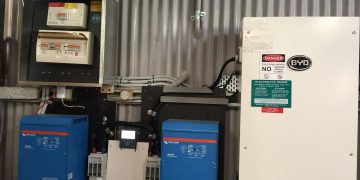
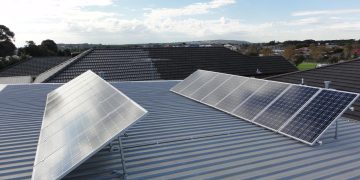
- Initial Installation Costs: Upfront expenses for solar panels, inverters, and installation services can vary significantly based on location and the size of the system.
- Government Incentives and Tax Breaks: Many regions offer attractive incentives such as tax credits, grants, or rebates that can dramatically reduce the initial financial outlay.
- Energy Savings: Businesses often see a reduction in utility bills, allowing for a gradual recovery of the initial investment over time.
- Maintenance and Operational Costs: While solar panels generally require minimal maintenance, understanding these costs is crucial for accurate ROI projections.
- Energy Production Rates: The efficiency of the solar system and local climate conditions can affect how quickly the system pays for itself.
By carefully analyzing these factors, businesses can develop a more precise timeline for achieving ROI from solar energy investments. This evaluation not only aids in financial planning but also helps in setting realistic expectations regarding the long-term benefits of transitioning to sustainable energy solutions.

Understanding the Variables Impacting Solar ROI
When evaluating the return on investment for solar energy systems, several key variables play a pivotal role. First and foremost, the initial installation costs can vary significantly based on the size of the system and the specific energy needs of the business. Businesses must also consider the geographical location, as areas with higher solar irradiance will naturally generate more electricity and, therefore, a quicker ROI. Additionally, government incentives and tax credits can substantially reduce the upfront costs, making solar more financially viable.
Another crucial factor is the energy consumption pattern of the business. Companies with high daytime energy usage will benefit more from solar installations, as they can directly offset their electricity needs. Moreover, the cost of traditional electricity in the region will impact the savings achieved with solar energy. Lastly, it’s essential to consider the maintenance costs and the lifespan of the solar panels, as these will affect long-term savings. Understanding these variables allows businesses to make informed decisions and optimize their solar investment strategy.

Maximizing Efficiency: Strategies for Quicker Returns
To expedite the return on investment for solar energy in business settings, it’s crucial to adopt a combination of innovative strategies and smart technology. Leverage smart energy management systems to monitor and optimize energy consumption patterns. By analyzing energy usage in real-time, businesses can reduce wastage and direct energy where it’s most needed, thus maximizing efficiency. Additionally, incorporating battery storage solutions allows excess solar energy to be stored and used during peak demand times, further reducing reliance on the grid and cutting down on energy costs.
Moreover, taking advantage of available incentives and tax breaks can significantly reduce initial setup costs, accelerating the payback period. Collaborating with experienced solar energy consultants can also lead to customized solutions that align with specific business needs and goals. Consider the following strategies for quicker returns:
- Implementing demand response programs to benefit from dynamic pricing and load shifting.
- Exploring community solar projects to offset energy costs collectively.
- Utilizing energy-efficient appliances to complement solar installations.
By integrating these approaches, businesses can enhance their solar energy investments, achieving quicker and more substantial returns.
Balancing Initial Costs with Long-term Benefits
When considering the adoption of solar energy, businesses often face the dilemma of initial costs versus long-term benefits. The upfront investment in solar panels, installation, and potential infrastructure upgrades can be daunting. However, the prospect of reduced energy bills and environmental impact make it a compelling choice for forward-thinking companies. The key is to view this investment not as an immediate financial burden, but as a strategic move towards sustainability and cost efficiency.
While the return on investment (ROI) might not be instantaneous, the long-term advantages often outweigh the initial expenditure. Consider the following benefits that contribute to a positive ROI over time:
- Energy Independence: Reducing reliance on fluctuating energy markets.
- Tax Incentives and Rebates: Taking advantage of government programs that support green energy.
- Increased Property Value: Enhancing the appeal and worth of business premises.
- Brand Image: Strengthening corporate responsibility and public perception.
Balancing these factors requires a comprehensive financial strategy, but the potential for savings and enhanced corporate reputation make solar energy a worthwhile consideration for businesses aiming for a sustainable future.
The Conclusion
In the vast landscape of energy solutions, solar power stands as a beacon of both promise and patience. As businesses navigate the intricate dance between investment and return, the question of whether solar energy takes too long to provide a return on investment remains multifaceted. The sun, in its unwavering journey across the sky, offers a steady reminder of the potential that lies in its harnessed power. Yet, just as the day transitions into night, the path to ROI in solar energy is not without its shadows.
While some may argue that the initial financial outlay and extended payback period cast doubt on solar’s viability, others find solace in the long-term savings and sustainability benefits that far outweigh the wait. In a world increasingly conscious of its ecological footprint, the decision to invest in solar is as much about future-proofing as it is about financial gain.
Ultimately, the choice to embrace solar energy is one that requires a balance of foresight and pragmatism. As businesses weigh their options, the sun continues to rise, offering its boundless energy to those willing to invest not just in immediate returns, but in a brighter, more sustainable future. And so, the conversation continues—illuminated by the enduring light of possibility.