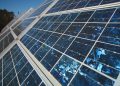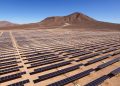


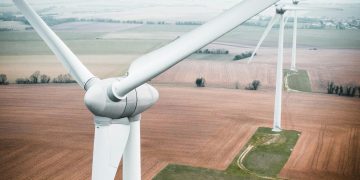


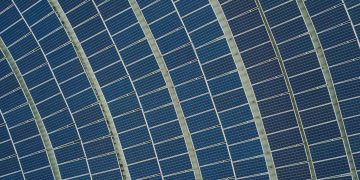


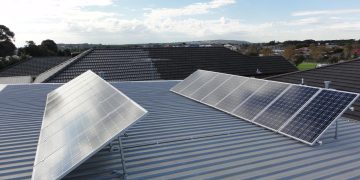
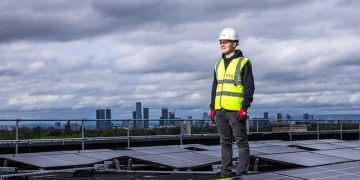
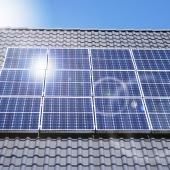



In the quest for sustainable energy solutions, the landscape of power generation is undergoing a seismic shift. As the world grapples with the dual imperatives of reducing carbon emissions and meeting ever-growing energy demands, the spotlight increasingly falls on renewable resources and innovative technologies. Among these, commercial solar power emerges as a formidable contender, basking in the glory of its rapid advancements and decreasing costs. Yet, standing as a stalwart in the energy arena is nuclear power, long revered for its capacity to generate massive amounts of electricity with minimal carbon footprint. This article delves into the intriguing possibility of commercial solar power not only coexisting with but potentially rivaling nuclear power. By exploring technological breakthroughs, economic factors, and environmental considerations, we embark on a journey to understand whether the sun’s radiant potential can indeed compete with the atom’s formidable might.
Harnessing the Sun: Evaluating the Economic Viability of Commercial Solar
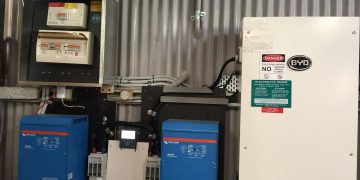
When assessing the economic potential of solar energy in the commercial sector, several factors emerge as crucial determinants of its competitiveness with nuclear power. Initial investment costs are often cited as a significant barrier; however, recent technological advancements and increased manufacturing efficiencies have driven solar prices down dramatically. Operational costs for solar installations are considerably lower than those for nuclear plants, as solar systems require minimal maintenance and have no fuel costs. Furthermore, the declining cost of battery storage solutions is enhancing the reliability of solar energy, enabling businesses to store excess power for use during periods of low sunlight.
In addition to cost considerations, the environmental and social implications of solar energy present compelling arguments for its adoption. The benefits include:
- Minimal environmental impact: Solar energy systems produce no emissions during operation, contrasting sharply with the nuclear sector’s challenges of radioactive waste management.
- Decentralization potential: Commercial solar installations can be implemented at a local level, reducing transmission losses and enhancing energy security.
- Job creation: The solar industry is a rapidly growing job market, offering employment opportunities in manufacturing, installation, and maintenance.
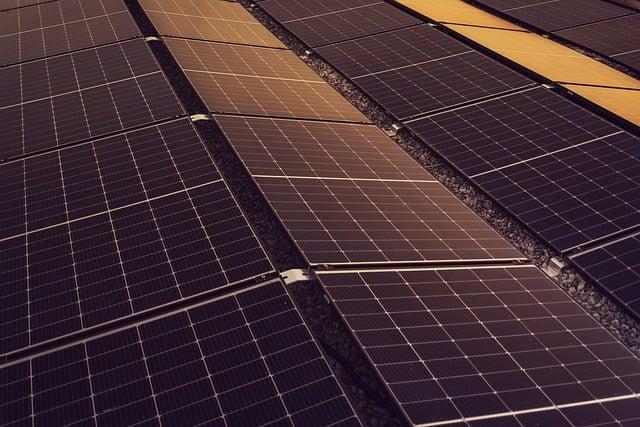
Comparing Environmental Impacts: Solar Energy vs. Nuclear Power
When delving into the environmental impacts of solar energy and nuclear power, several crucial factors emerge that can shape our understanding of their respective benefits and drawbacks. Solar energy stands out with its inherently clean and renewable nature, harnessing the sun’s power without emitting greenhouse gases during operation. However, the production and disposal of solar panels involve materials and processes that can have ecological consequences, such as the use of hazardous chemicals and land use changes.
Nuclear power, on the other hand, provides a high energy output with minimal carbon emissions during electricity generation. Yet, it brings its own set of challenges, including the long-term management of radioactive waste and the potential for catastrophic failures. Here are some key environmental considerations for both energy sources:
- Resource Availability: Solar energy relies on abundant sunlight, while nuclear power depends on finite uranium resources.
- Waste Management: Solar panels have a lifespan of 20-30 years, raising concerns about recycling, whereas nuclear waste requires secure storage for thousands of years.
- Land Use: Large solar farms can alter landscapes, whereas nuclear plants occupy smaller land areas but need robust safety zones.

Technological Advancements: Bridging the Gap Between Solar and Nuclear
In the ever-evolving landscape of energy solutions, the synergy between solar and nuclear power is becoming increasingly fascinating. Technological advancements are paving the way for a future where these two powerhouses might not only coexist but complement each other. Solar technology is making leaps with innovations like perovskite solar cells, which promise higher efficiency at lower costs. Meanwhile, nuclear power is evolving with the advent of small modular reactors (SMRs), which offer safer, more flexible energy production.
- Integration of AI and IoT: Both sectors are leveraging artificial intelligence and the Internet of Things to optimize energy distribution and consumption.
- Advanced Storage Solutions: Battery technologies are becoming crucial, allowing solar to store excess energy, which can be strategically released to complement nuclear baseload power.
- Policy and Infrastructure: Government policies are increasingly supporting a hybrid approach, encouraging investment in infrastructure that can seamlessly integrate both energy types.
By bridging the gap between these technologies, we may witness a new era of energy that leverages the strengths of both solar and nuclear, potentially allowing commercial solar to stand on par with nuclear power. This harmonious blend could reshape our energy grid, creating a sustainable, reliable, and economically viable power solution for the future.
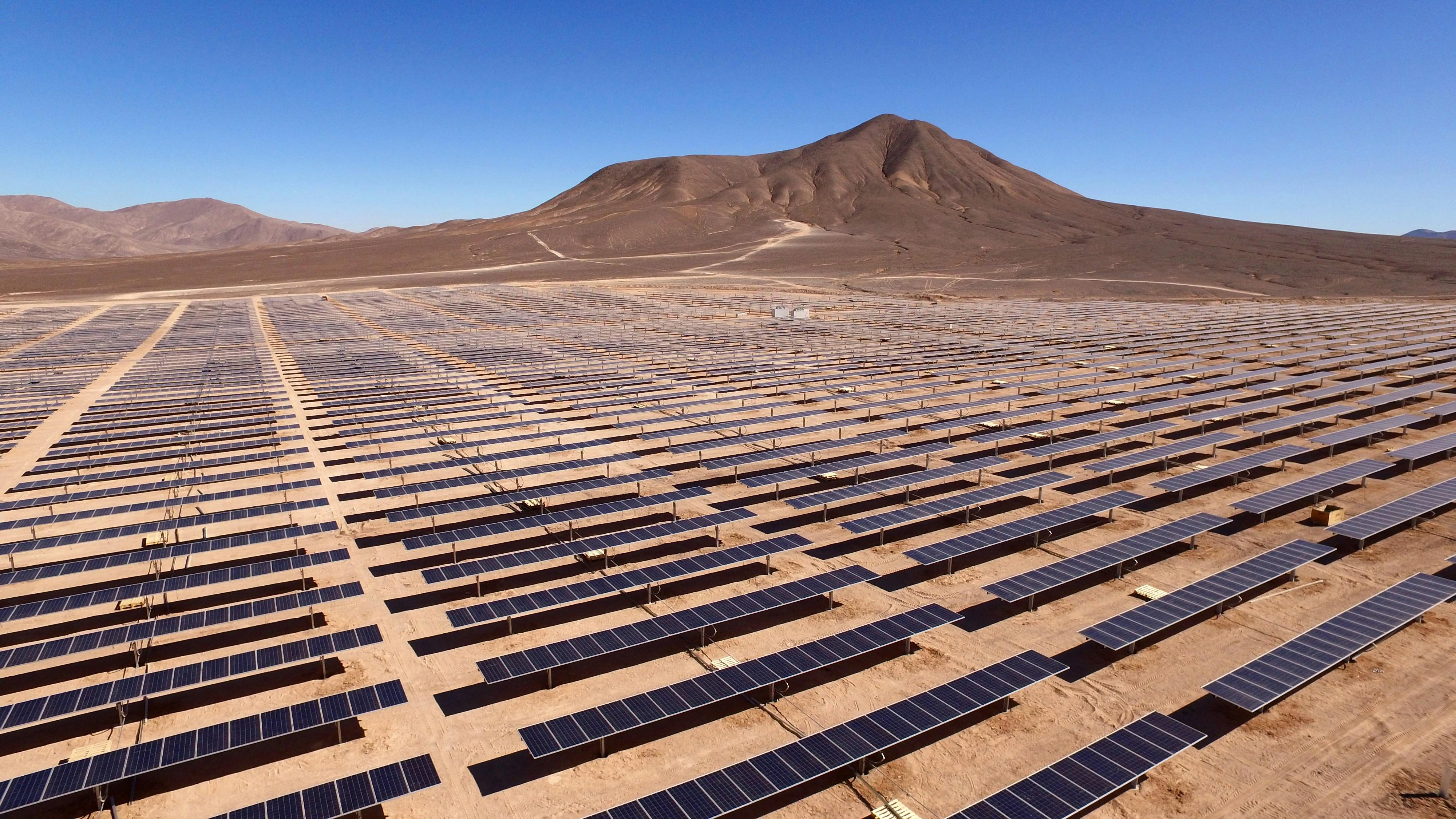
Strategic Policy Recommendations for Enhancing Solar Competitiveness
In the pursuit of making commercial solar energy a formidable competitor to nuclear power, strategic policy recommendations must be crafted with a focus on fostering innovation and reducing costs. Key measures to consider include:
- Incentivizing Research and Development: Allocating resources towards cutting-edge research can spur technological advancements that enhance efficiency and lower production costs.
- Streamlining Regulatory Processes: Simplifying permit procedures and reducing bureaucratic hurdles can accelerate the deployment of solar projects, making them more attractive to investors.
- Enhancing Grid Infrastructure: Investing in robust grid infrastructure that supports solar integration can optimize energy distribution and reduce reliance on traditional power sources.
- Promoting Public-Private Partnerships: Collaboration between government entities and private companies can facilitate knowledge sharing and amplify funding opportunities.
By implementing these strategic policies, the solar industry can position itself to rival the reliability and output of nuclear energy, ensuring a more sustainable and competitive future.
Concluding Remarks
As the sun dips below the horizon, casting a golden glow over the landscape, the debate between commercial solar and nuclear power continues to illuminate the minds of energy enthusiasts and industry experts alike. While each energy source presents its own array of advantages and challenges, the quest for a sustainable future urges us to explore all avenues. Whether it’s the silent hum of solar panels basking in sunlight or the steady pulse of nuclear reactors powering cities, the path forward will likely be a mosaic of diverse energy solutions. As we stand on the brink of a new energy era, the dialogue between solar and nuclear power serves as a reminder of the importance of innovation, adaptability, and collaboration in shaping a brighter, more sustainable world. Let us keep the conversation alive, as we look towards a future where every ray and reaction counts.