







In an age where sustainability is no longer just a buzzword but a global imperative, the skies are beginning to echo with a new kind of ambition: solar-powered airplanes. These marvels of modern engineering promise a future where the sun’s abundant energy could propel us across continents without a drop of fossil fuel. But as we stand on the precipice of this potential aviation revolution, one question looms large: Are solar-powered airplanes truly ready for takeoff? In this article, we navigate the technological advancements, challenges, and potential of this nascent innovation, exploring whether these sunlit wings can soar beyond the horizon of possibility into the everyday reality of air travel.
Harnessing the Sun: How Solar Technology is Transforming Aviation
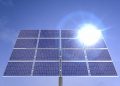
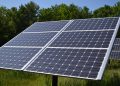
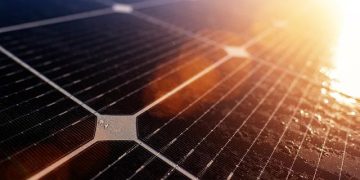
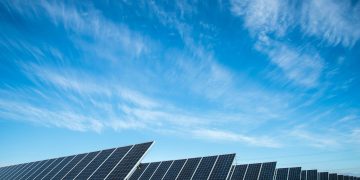
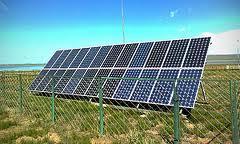
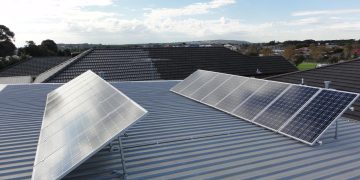
In recent years, the aviation industry has been increasingly turning its gaze skyward, not just in terms of flight paths, but in harnessing the sun’s potential. Solar-powered airplanes, once considered the realm of science fiction, are making impressive strides towards practical viability. By leveraging photovoltaic cells, these innovative aircraft capture solar energy, transforming it into electrical power to propel the planes. The benefits are profound: reduced carbon emissions, lower operational costs, and the promise of longer, more sustainable flights.
- Environmental Impact: Solar-powered aviation dramatically reduces greenhouse gas emissions, offering a greener alternative to traditional jet fuel.
- Cost Efficiency: With sunlight as a virtually free and limitless resource, airlines can significantly cut down on fuel expenses.
- Technological Innovation: Advances in lightweight materials and battery storage are paving the way for longer, more reliable solar flights.
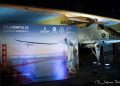
While the dream of solar-powered commercial flights is still on the horizon, recent successful test flights indicate that we are closer than ever. Pioneering projects like Solar Impulse have already circumnavigated the globe, proving the feasibility of solar aviation. As technology continues to evolve, the skies could soon be filled with the quiet hum of solar aircraft, ushering in a new era of clean, sustainable air travel.

Challenges in the Sky: Navigating Technical and Environmental Hurdles
The journey to mastering solar-powered aviation is fraught with both technical and environmental obstacles. Engineers are grappling with the challenge of designing lightweight aircraft capable of carrying solar panels that can efficiently capture and store energy. Traditional aircraft materials are often too heavy, necessitating the development of new, innovative materials that strike a delicate balance between durability and weight. Additionally, the integration of advanced battery systems to store solar energy poses another significant hurdle, as they must be both light enough to not impede flight and robust enough to power extended journeys.
On the environmental front, solar-powered airplanes must contend with variable weather conditions. Cloud cover and seasonal changes can drastically impact the efficiency of solar panels, requiring sophisticated systems to optimize energy capture in less-than-ideal conditions. Moreover, global air traffic patterns and airspace regulations present another layer of complexity, as integrating solar-powered aircraft into existing systems necessitates substantial logistical coordination. Despite these challenges, the potential for cleaner, sustainable air travel continues to propel innovation forward, with each obstacle serving as a stepping stone towards a new era in aviation.
The Flight Path Forward: Innovations Paving the Way for Solar Planes
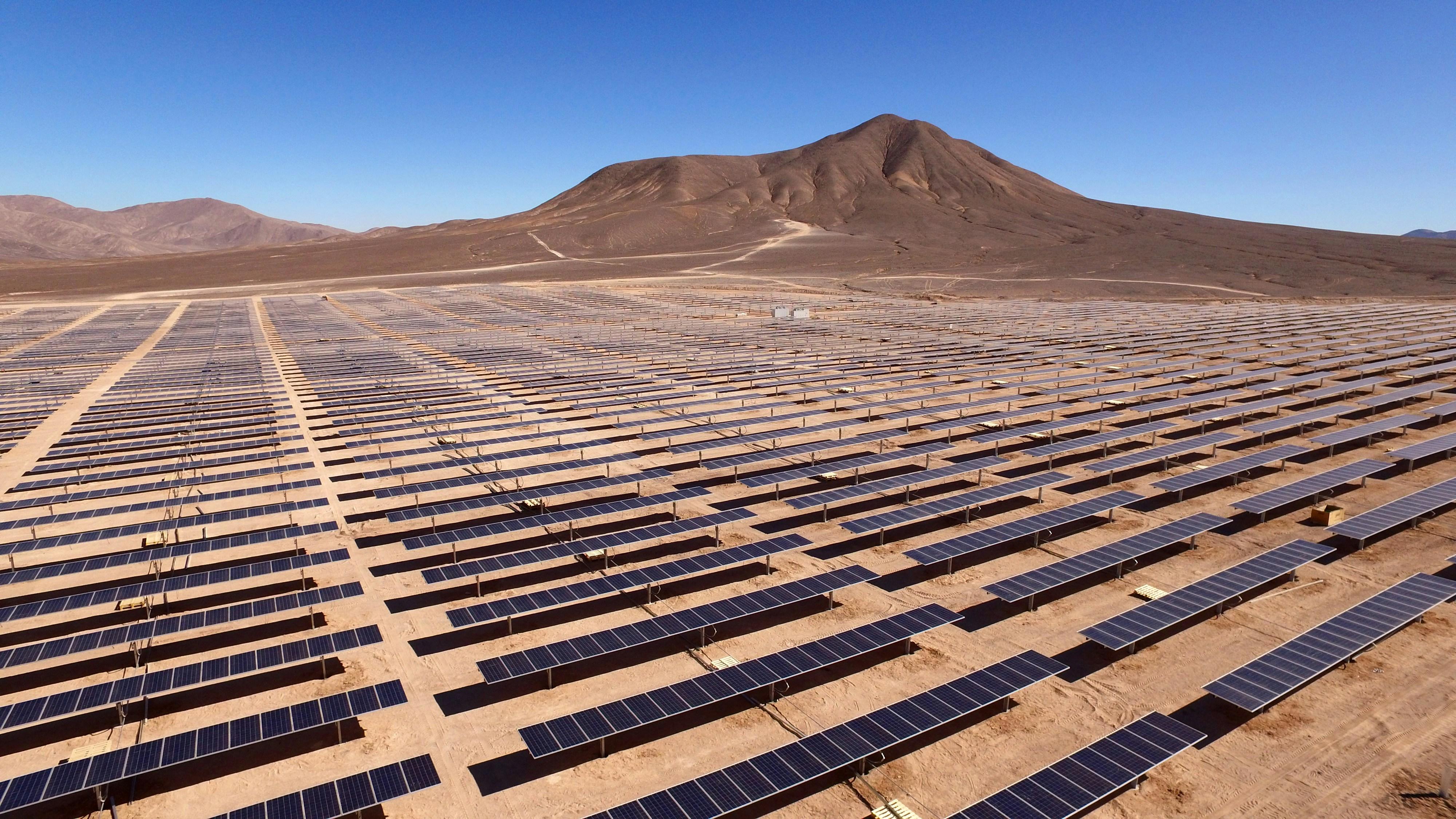
As the aviation industry grapples with environmental challenges, innovative strides in solar technology are illuminating a new horizon for flight. Recent advancements are revolutionizing solar-powered aircraft, transforming what once seemed a futuristic concept into a tangible reality. Pioneering companies and research institutions are pushing the boundaries of what’s possible by developing lightweight materials and efficient solar cells. These innovations are enhancing the energy capture capabilities of aircraft, making solar flight not only feasible but increasingly practical.
- High-Efficiency Solar Panels: Cutting-edge photovoltaic cells are now capable of converting more sunlight into usable energy, drastically improving flight duration and performance.
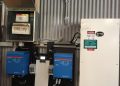
- Advanced Battery Storage: Innovations in battery technology ensure that energy harnessed during daylight can be effectively stored and used during nighttime or cloudy conditions.
- Lightweight Composite Materials: New materials reduce the overall weight of the aircraft, enhancing their ability to sustain flight using solar energy alone.
These technological breakthroughs are more than just engineering feats; they represent a critical step forward in reducing the carbon footprint of aviation. As these solar innovations continue to evolve, the dream of sustainable air travel edges closer to becoming an everyday reality, potentially transforming the way we think about flight in the coming decades.

Strategic Recommendations for the Future of Solar Aviation
To harness the full potential of solar aviation, several strategic steps need to be considered. Firstly, investment in advanced photovoltaic technology is crucial. Enhancing the efficiency of solar cells will directly impact the performance and endurance of solar-powered aircraft. This requires collaboration between aerospace engineers and renewable energy experts to develop innovative materials and designs. Additionally, integrating lightweight composite materials can significantly reduce aircraft weight, allowing for more solar panels to be installed without compromising aerodynamics.
It’s equally important to focus on infrastructure development. Airports and airfields need to be equipped with the necessary facilities to support solar aviation. This includes charging stations and maintenance hubs specifically designed for solar aircraft. Moreover, policy frameworks and regulatory standards should be established to encourage the adoption of solar aviation technology. By offering incentives for research and development, governments can play a pivotal role in accelerating progress. Lastly, fostering international collaboration can ensure a cohesive approach to overcoming technical and logistical challenges, paving the way for solar aviation to become a viable component of the global transportation ecosystem.
Key Takeaways
As the sun sets on our exploration of solar-powered airplanes, we find ourselves at the intersection of innovation and aspiration. While the skies have long been a canvas for human ingenuity, the quest to harness solar energy for flight is a testament to our relentless pursuit of sustainable solutions. These aircraft, with their sun-kissed wings, embody both the promise and the challenges of a future where aviation treads lightly upon the Earth.
The journey of solar-powered airplanes is still in its nascent stages, a story unfolding in chapters of technological advancements and environmental consciousness. As engineers and dreamers alike continue to push the boundaries of what’s possible, we stand on the brink of a new era in aviation—one where the sky is not the limit, but a vast expanse waiting to be navigated with the power of the sun.
In the years to come, as we watch these solar pioneers take flight, we will witness not only the evolution of aircraft but also the evolution of our commitment to a cleaner, greener planet. Whether these solar-powered planes are ready for widespread takeoff remains to be seen, but their journey thus far is a beacon of hope and a testament to human innovation. As we turn the page, we remain eager to see where this sunny path will lead us next.