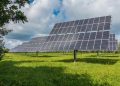
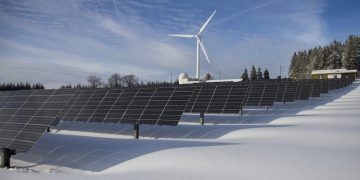
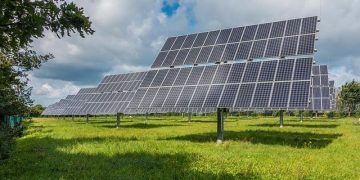



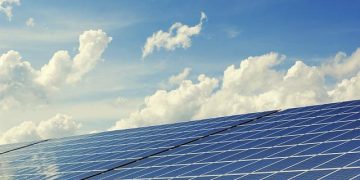

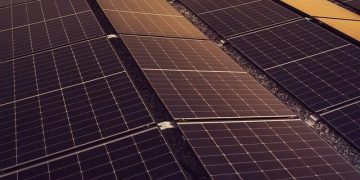
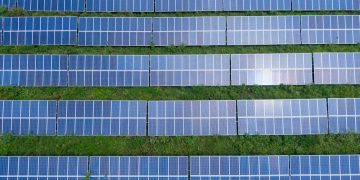
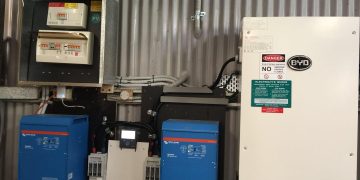
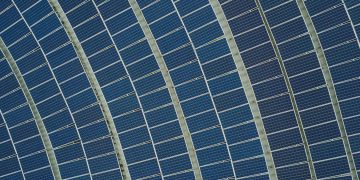
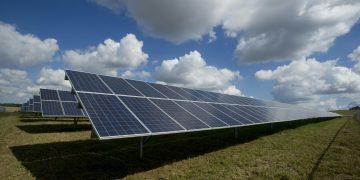



In the sprawling landscape of the energy sector, a new dawn is breaking, casting light on an age-old industry. Solar energy, once relegated to the realms of futuristic speculation, has swiftly risen to prominence, challenging the traditional utilities that have powered our homes and industries for generations. As sunlit rooftops and expansive solar farms become increasingly common, the dynamics of energy production and consumption are undergoing a profound transformation. This article delves into the impact of this solar revolution on conventional utilities, exploring the challenges and opportunities that arise when the boundless potential of the sun meets the entrenched infrastructures of the past. Join us as we navigate this evolving energy landscape, where innovation and tradition collide, reshaping the future of power.
Sunrise Over the Grid: Transformative Effects on Energy Dynamics
The advent of solar energy has ushered in a paradigm shift, challenging the conventional landscape of traditional utilities. Solar power, with its inexhaustible supply and declining costs, is reshaping the economic and operational frameworks of energy providers. Traditional utilities, which have long relied on fossil fuels, now face the imperative to adapt or risk obsolescence. The integration of solar energy into the grid demands innovative solutions, including the development of smart grids and energy storage systems. This transition is not without its challenges, as utilities must balance the intermittency of solar power with the reliability demands of consumers.
In this evolving energy ecosystem, several key impacts are evident:
- Decentralization: With more individuals and businesses installing solar panels, power generation is shifting from centralized plants to distributed sources.
- Grid Modernization: Utilities are investing in technology to handle the variability and bidirectional flow of electricity that solar introduces.
- Economic Adjustments: As solar adoption increases, traditional utilities may experience reduced revenues, prompting a reevaluation of pricing models.
The shift towards solar energy is not merely a trend but a transformative force, urging utilities to reimagine their role in a sustainable future.
Harnessing Solar: Challenges and Opportunities for Utility Companies
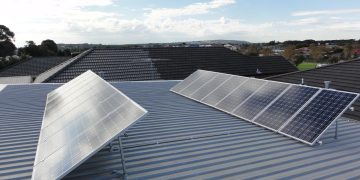
As the global energy landscape shifts, traditional utility companies find themselves navigating a dynamic frontier shaped by the rise of solar energy. This transition presents a blend of challenges and opportunities that demand strategic foresight and innovation. For one, the intermittency of solar power poses a challenge to grid stability. Utility companies must invest in advanced storage solutions and smart grid technologies to ensure consistent power supply. Additionally, the rise of decentralized solar installations, such as rooftop panels, introduces complexities in grid management and tariff structures.
On the flip side, utility companies have the opportunity to lead the charge in renewable energy integration. By embracing solar, they can diversify their energy portfolios and tap into new revenue streams. Some of the promising opportunities include:
- Offering solar-as-a-service: By providing solar installation and maintenance, utilities can capture a share of the growing consumer interest in renewable energy.
- Investing in large-scale solar farms: These projects can enhance a utility’s capacity to meet renewable energy mandates and appeal to environmentally-conscious consumers.
- Partnering with technology firms: Collaborations can spur innovations in energy storage and smart grid solutions, further solidifying the role of utilities in a solar-powered future.
Adapting to the Light: Strategies for Traditional Utilities in a Solar Era
The rise of solar energy presents both challenges and opportunities for traditional utility companies. To remain competitive, utilities must explore innovative strategies that leverage the benefits of solar while maintaining grid reliability. One effective approach is integrating solar energy into existing infrastructure, which can be achieved through investments in smart grid technologies. These technologies enhance the capacity to manage distributed energy resources and improve grid efficiency.
- Flexible Pricing Models: Offering dynamic pricing structures can encourage consumers to shift their energy usage to periods when solar power is abundant, thereby optimizing energy distribution.
- Partnerships with Solar Providers: Collaborating with solar companies can help utilities expand their renewable energy portfolios, providing customers with diverse energy options.
- Incentive Programs: Utilities can develop incentive schemes to promote the adoption of residential solar panels, which can reduce peak demand and lower operational costs.
Additionally, utilities can focus on educating consumers about the benefits of solar energy and energy efficiency. By fostering an informed customer base, they can build trust and encourage proactive participation in energy-saving initiatives. Embracing these strategies can help traditional utilities not only survive but thrive in a solar-dominated energy landscape.
A Bright Future: Integrating Solar Solutions for Sustainable Growth
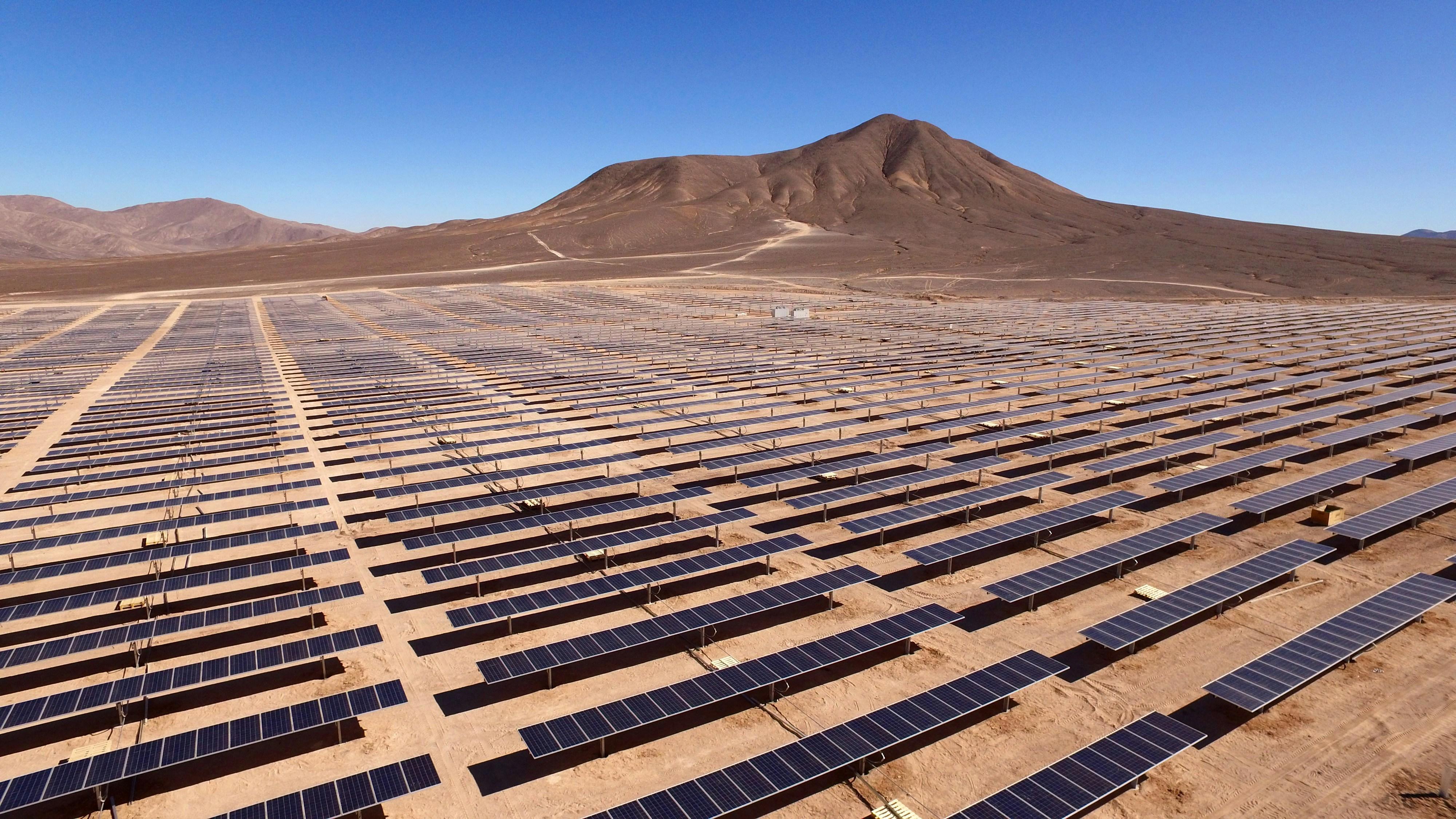
The integration of solar energy into the traditional utility landscape is reshaping the energy sector, offering a more sustainable path forward. As solar solutions become more economically viable, they are enabling utilities to transform their operations. Traditional energy providers are now adopting solar technologies to enhance their service offerings, resulting in a dynamic shift in how energy is produced and consumed.
This transition brings several benefits and challenges, including:
- Cost Reduction: Solar energy’s decreasing costs allow utilities to offer more competitive rates, reducing expenses for consumers.
- Environmental Impact: Emphasizing renewable sources significantly lowers carbon emissions, contributing to a healthier planet.
- Energy Independence: Solar installations provide a degree of autonomy from fluctuating fossil fuel markets.
- Grid Reliability: Integrating solar with traditional grids enhances resilience against outages and peak demand stress.
As solar technology advances, traditional utilities are not only surviving but thriving by embracing this renewable revolution, setting a precedent for a sustainable energy future.
To Conclude
As the sun dips below the horizon, casting long shadows over an evolving landscape, the interplay between solar energy and traditional utilities continues to shape the future of power. This dynamic dance of innovation and tradition reveals a narrative rich with both challenges and opportunities. As we stand at this crossroads, it becomes clear that the path forward is not about choosing sides, but about forging a new synergy that leverages the strengths of both worlds. In this luminous journey, adaptability and collaboration will light the way, ensuring that energy in all its forms continues to illuminate our lives, sustainably and equitably. With each sunrise, we are reminded that the potential of solar energy is as vast and promising as the sky itself, inviting us to reimagine the way we harness power for generations to come.