












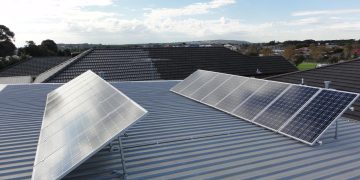

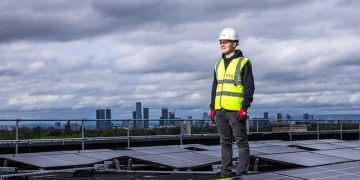




In the golden era of sustainable living, harnessing the sun’s energy has transitioned from an ambitious dream to an attainable reality for homeowners worldwide. As solar panels steadily dot rooftops, a question emerges from the shadows of this bright revolution: What is the average cost of turning sunlight into household savings? This article embarks on a journey through the financial landscape of residential solar installation, demystifying the costs that lie beneath those gleaming panels. By examining the factors that influence pricing, from technological advancements to regional variances, we aim to illuminate the true expense of capturing the sun’s bounty. Join us as we explore the intricate dance between investment and innovation in the quest for a greener tomorrow.
Understanding the Breakdown of Residential Solar Installation Costs
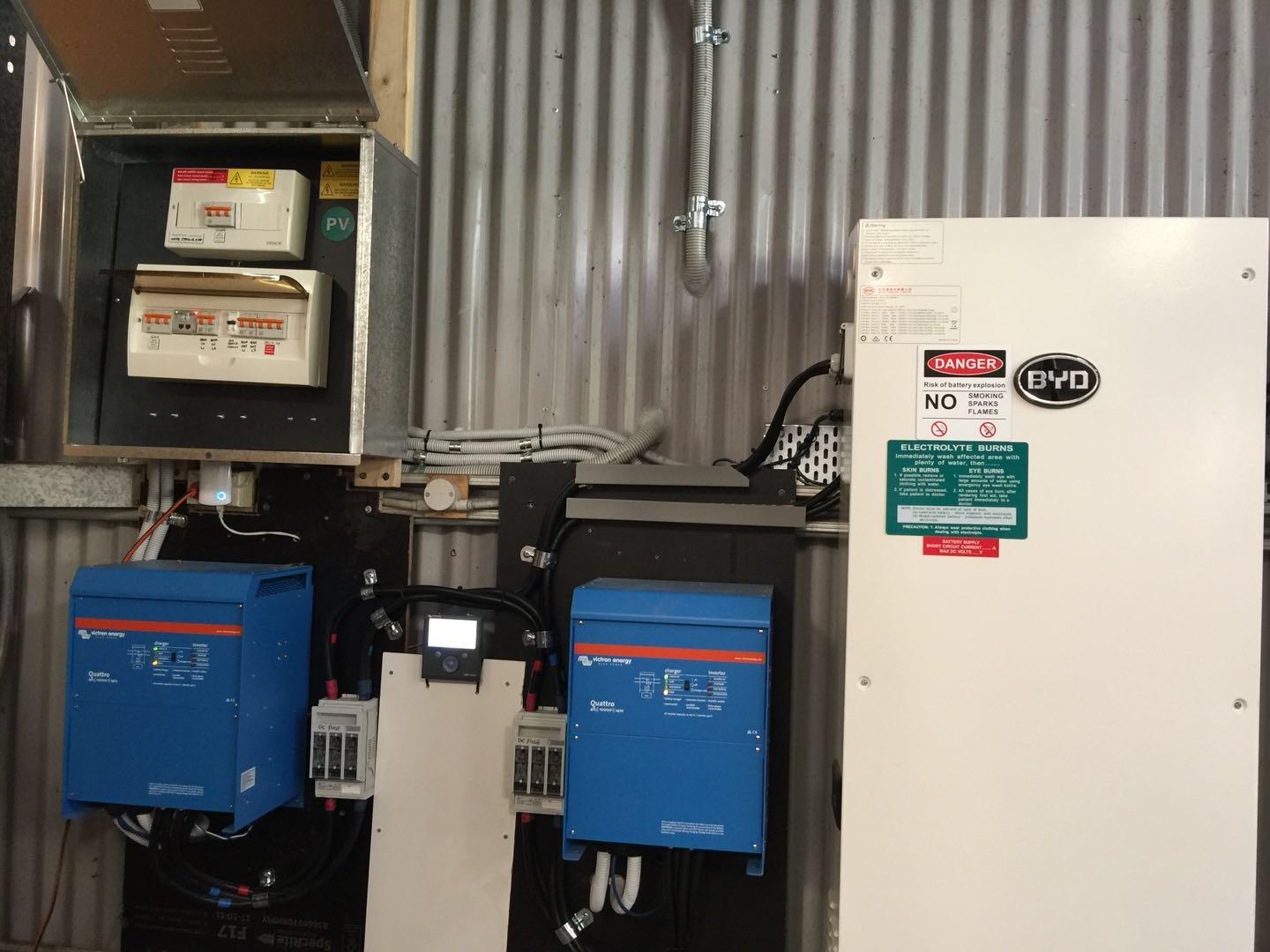
When delving into the financial aspects of installing solar panels at home, it’s crucial to understand how the total costs are distributed. The equipment cost, which includes the solar panels themselves, inverters, and mounting hardware, often accounts for a significant portion of the expense. However, there’s more beneath the surface.
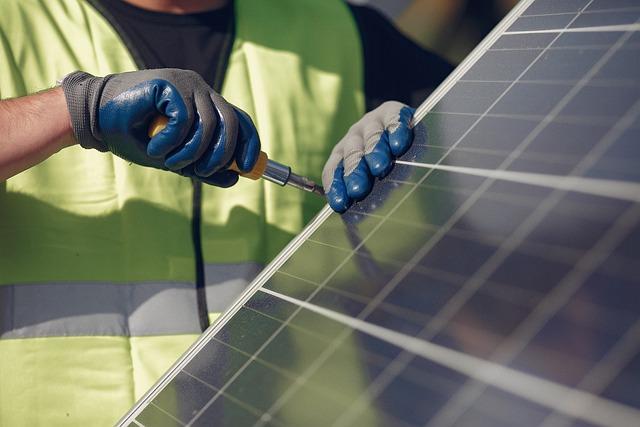
- Labor Costs: These include fees for design, permitting, and installation services, often making up a substantial slice of the overall budget.
- Permitting and Inspection: Navigating local regulations can incur costs for necessary permits and inspections to ensure compliance with standards.
- Additional Equipment: Sometimes overlooked, this can include batteries for energy storage or additional hardware for system optimization.
- Operational and Maintenance Expenses: Though typically minimal, ongoing costs for system maintenance and potential repairs should be factored into long-term planning.
Each component plays a vital role in not only the initial investment but also the long-term efficiency and effectiveness of the solar system. Understanding these elements helps homeowners make informed decisions, tailoring their investment to match their energy needs and financial capabilities.
Factors Influencing the Price of Going Solar at Home
The cost of installing solar panels at home can vary significantly due to several key factors. Location plays a crucial role as solar incentives and rebates differ from one region to another, affecting the overall expense. Additionally, the amount of sunlight your home receives can influence the efficiency of the panels and, consequently, the size and number needed to meet your energy needs.
Another major factor is the type and quality of solar panels you choose. With options ranging from monocrystalline to polycrystalline and thin-film, each type has different efficiencies and price points. Moreover, installation costs can be affected by the complexity of your roof design and the ease of access for installers. Other considerations include:
- System Size: Larger systems generally cost more but can provide greater savings over time.
- Installer Rates: Different installers offer varying pricing structures and service packages.
- Financing Options: Leasing, loans, or outright purchases each have distinct cost implications.
By understanding these factors, homeowners can better navigate their solar investment and optimize their long-term savings.
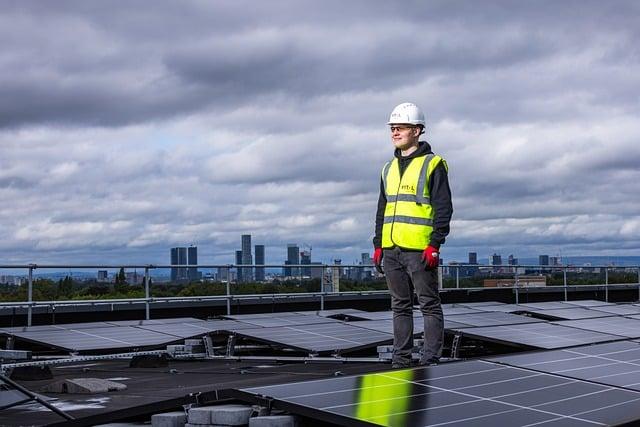
Comparing Installation Prices Across Different Regions
When considering the investment in solar panels, it’s crucial to understand that costs can vary significantly based on geographic location. In the sunny Southwest, for instance, the abundance of sunlight and state incentives often lead to more competitive pricing. California and Arizona frequently offer rebates and tax credits, making solar installation more affordable compared to regions with less sunlight and fewer incentives.
Conversely, in the Northeast, such as New York and Massachusetts, the installation prices might be higher due to increased labor costs and more complex installation requirements due to older infrastructure. However, these areas often counterbalance with generous state incentives and programs that can help reduce the initial financial burden. Here are some key factors affecting regional cost differences:
- Incentives and Rebates: State and local programs that can significantly lower installation costs.
- Sunlight Availability: More sunlight can mean more savings, affecting overall pricing.
- Labor Costs: Varying wage rates across regions impact installation fees.
- Installation Complexity: Older homes or unique architectural designs may increase costs.

Tips for Reducing the Cost of Your Solar Energy System
Lowering the expenses of your solar setup can be a smart move for both your wallet and the environment. One effective strategy is to shop around and compare quotes from multiple solar providers. This allows you to evaluate different pricing options and system configurations. Leverage local incentives and federal tax credits as these can significantly reduce upfront costs. Check with your local government or utility company for available rebates or incentives that could make a substantial difference in your overall investment.
Consider scaling the system to fit your energy needs rather than opting for the largest system available. Start with a smaller array and add more panels over time if necessary. This approach not only spreads out costs but also aligns with potential advancements in solar technology. Explore financing options such as solar loans or leasing, which can reduce the initial outlay. keep an eye out for community solar programs, which allow you to benefit from solar energy without installing panels on your property.
Future Outlook
As we draw the curtain on our exploration of the , it’s clear that the journey to harnessing the sun’s power is as much about economics as it is about environmental stewardship. The numbers, though pivotal, are but one piece of the puzzle in this green transition. They tell a story of innovation, evolving technology, and the drive toward a sustainable future. Whether you’re motivated by the promise of reduced utility bills, the allure of energy independence, or the call to contribute to a healthier planet, understanding these costs empowers you to make informed decisions. As the solar landscape continues to evolve, so too will the opportunities and challenges it presents. Let this knowledge be your guiding light as you consider joining the ranks of solar pioneers, illuminating the path toward a brighter, more sustainable tomorrow.