

















In a world increasingly driven by sustainable choices and technological advancements, businesses are continuously seeking innovative ways to reduce overhead and enhance operational efficiency. Among the myriad of strategies available, one stands out with its promise of not only cost savings but also environmental stewardship: commercial solar energy. Imagine a scenario where the sun, an inexhaustible natural resource, powers your enterprise, slashing your energy bills by half. This isn’t a futuristic dream but a tangible reality that many forward-thinking companies are already embracing. In this article, we will explore how commercial solar solutions can transform your energy expenditures, highlighting the benefits, the process, and the potential for significant financial savings while contributing to a greener planet. Whether you’re a small business owner or managing a large corporation, the sun’s power might just be the key to unlocking a more economical and sustainable future for your operations.
Understanding the Financial Benefits of Solar Power
Embracing solar energy can significantly impact your bottom line by slashing your energy expenses, allowing businesses to allocate those savings to other essential areas. Solar power offers a myriad of financial advantages that extend beyond mere reduction in electricity bills. With a one-time investment in solar panels, companies can harness the sun’s energy, leading to substantial long-term savings. By reducing dependency on traditional energy sources, businesses are not only cutting costs but also protecting themselves from the volatility of energy prices. This stability is a key financial benefit, providing predictability in budgeting and planning.
Moreover, businesses can take advantage of various incentives and tax credits designed to encourage the adoption of solar technology. Some of the notable benefits include:
- Federal Investment Tax Credit (ITC): A significant reduction in the upfront cost of installing solar panels.
- Accelerated Depreciation: A faster recovery of the cost of solar assets, improving cash flow.
- State and Local Rebates: Additional financial incentives that vary by location, further enhancing savings.
- Net Metering: Credits for excess energy produced, which can be used to offset future utility bills.
These incentives, coupled with decreasing installation costs and improved efficiency of solar panels, make the transition to solar an economically sound decision for businesses aiming to cut their energy costs in half.

Maximizing Efficiency with Tailored Solar Solutions
In the fast-paced world of commerce, the need for cost-effective energy solutions has never been more critical. Implementing a tailored solar strategy can significantly reduce energy expenses, enabling businesses to allocate resources more efficiently. By customizing solar installations to meet specific operational needs, companies can optimize energy production and consumption, leading to substantial savings. Custom solar solutions consider factors such as location, energy usage patterns, and peak operational hours to maximize output and efficiency.
- Scalable Systems: Adaptable to growing business demands, ensuring energy needs are met without excessive investment.
- Intelligent Monitoring: Advanced systems provide real-time data, allowing businesses to track and optimize energy use seamlessly.
- Enhanced Sustainability: Reducing carbon footprint not only benefits the environment but also enhances brand reputation.
Moreover, leveraging incentives and rebates can further reduce initial costs, making the transition to solar more accessible for businesses of all sizes. With strategic planning and expert guidance, companies can harness the full potential of solar energy, transforming an operational expense into a strategic advantage.
Navigating Incentives and Rebates for Solar Installations
For businesses looking to embrace sustainability while trimming down energy expenses, exploring available incentives and rebates can be a game-changer. Various government programs, both at the federal and state levels, offer financial incentives that can significantly reduce the upfront costs of solar installations. Moreover, some utility companies provide additional rebates for commercial solar projects, making it even more financially appealing. By strategically navigating these opportunities, businesses can maximize their return on investment and accelerate the path to energy savings.
- Federal Tax Credits: The Investment Tax Credit (ITC) allows businesses to deduct a substantial percentage of their solar costs from their federal taxes.
- State-Specific Programs: Some states offer grants, rebates, and additional tax credits to promote solar adoption among commercial entities.
- Utility Rebates: Check with local utility providers for potential rebates that can further decrease installation costs.

Long-term Savings: Solar Maintenance and Performance Optimization
To fully capitalize on the cost-saving potential of commercial solar systems, it’s crucial to invest in regular maintenance and performance optimization. Consistent upkeep ensures that your solar panels operate at peak efficiency, effectively harnessing sunlight and converting it into energy. This not only extends the lifespan of your investment but also significantly reduces energy costs over time. Here are some key strategies to consider:
- Routine Inspections: Schedule periodic checks to identify and rectify any issues, such as dirt accumulation or physical damage, which can impair efficiency.
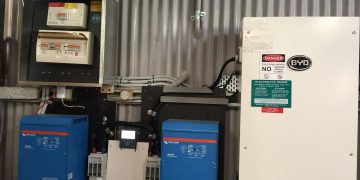
- Inverter Maintenance: The inverter is the heart of your solar system. Regularly inspect and maintain it to ensure smooth conversion of solar power into usable energy.
- Monitoring System Performance: Utilize advanced monitoring tools to track energy production and quickly address any anomalies or dips in performance.
- Professional Cleaning Services: Engage experts for cleaning the panels, especially if your location experiences high dust levels or frequent bird droppings.
- Upgrade Opportunities: Stay informed about technological advancements that can enhance your system’s efficiency, such as improved inverters or panel replacements.
By implementing these practices, businesses can ensure their solar installations not only meet but exceed performance expectations, resulting in substantial long-term savings. Investing in the health of your solar infrastructure today is an investment in tomorrow’s energy cost reductions.
Future Outlook
As the sun dips below the horizon, casting a golden hue over sprawling solar panels, the promise of a brighter, more cost-effective future emerges. Commercial solar power stands not just as a beacon of sustainability but as a viable financial strategy, capable of slashing energy expenses in half. By harnessing the boundless energy of the sun, businesses can illuminate a path toward significant savings and a reduced carbon footprint. The journey to energy independence is paved with rays of innovation and foresight, inviting enterprises to bask in the glow of renewable possibilities. As we turn the page on traditional energy sources, commercial solar offers a compelling narrative of efficiency and fiscal prudence, where the only limit is the horizon.