












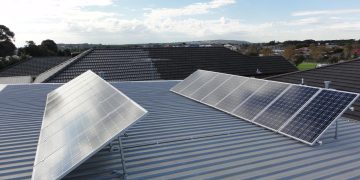







In the ever-evolving dance of innovation and necessity, the solar industry finds itself at a pivotal crossroads, where the brilliant promise of clean energy meets the equally pressing demand for sustainable practices. As the sun casts its unwavering gaze upon our planet, it not only illuminates rooftops and open fields with solar panels but also shines a spotlight on the industry’s quest for greater ecological responsibility. Recent developments reveal a fascinating tapestry of technological advancements, policy shifts, and collaborative efforts aimed at not just harnessing solar power, but doing so with an eye toward a greener future. Join us as we delve into the solar industry’s latest strides toward sustainability, exploring how it seeks to align its practices with the principles of a more harmonious coexistence with the environment.
Harnessing Innovation: Breakthrough Technologies Redefining Solar Efficiency
In recent years, the solar industry has witnessed a series of groundbreaking advancements that are setting new standards for energy efficiency and sustainability. One of the most exciting developments is the advent of perovskite solar cells, which promise to revolutionize the industry with their low production costs and high efficiency rates. Unlike traditional silicon-based cells, perovskites can be manufactured with less energy, reducing the overall carbon footprint of solar technology.
- Bifacial solar panels: These innovative panels capture sunlight from both sides, significantly increasing energy yield without additional space requirements.
- Solar skin technology: Customizable solar panels that blend seamlessly with rooftops, maintaining aesthetic appeal while generating clean energy.
- Floating solar farms: By utilizing bodies of water, these installations save valuable land resources and benefit from cooler temperatures, enhancing efficiency.
These technologies not only enhance the performance of solar systems but also contribute to a more sustainable future by reducing the reliance on non-renewable resources. As these innovations continue to mature, they hold the potential to make solar power more accessible and environmentally friendly than ever before.
Eco-Friendly Manufacturing: Reducing Carbon Footprints in Solar Panel Production
As the world shifts towards cleaner energy sources, the solar industry is taking significant strides to ensure its production processes are as sustainable as the energy it harnesses. Manufacturers are innovating to reduce their carbon footprints, focusing on more eco-friendly practices. Key strategies include:
- Recycling and Waste Reduction: Companies are investing in technologies that recycle silicon and other materials used in solar panel production, minimizing waste and conserving resources.
- Energy-Efficient Manufacturing: The adoption of energy-efficient machinery and processes is reducing the overall energy consumption in factories, helping to lower emissions.
- Sourcing Sustainable Materials: There is a growing emphasis on using raw materials that are sustainably sourced, ensuring that the environmental impact is minimized right from the start.
These initiatives not only help in cutting down greenhouse gas emissions but also enhance the overall sustainability of solar panel production, paving the way for a cleaner, greener future.

Sustainable Practices: Recycling and Reuse in the Solar Sector
The solar sector is increasingly embracing sustainable practices by focusing on recycling and reuse. This shift not only aims to reduce environmental impact but also to enhance economic efficiency. Key players in the industry are adopting innovative strategies to minimize waste and repurpose materials from decommissioned solar panels and related equipment. By integrating closed-loop systems, companies are working towards a future where solar energy is not just a renewable resource, but a fully sustainable one.
- Recycling Initiatives: Leading firms are investing in state-of-the-art facilities to break down and recycle photovoltaic cells, glass, and metal frames.
- Material Innovation: Development of solar panels with easily recyclable materials is on the rise, facilitating easier dismantling and material recovery.
- Reuse Programs: Some companies are exploring ways to refurbish and repurpose old solar panels for secondary markets or community projects.

Collaborative Efforts: Partnerships Driving Green Energy Initiatives
The solar industry is witnessing a remarkable transformation, driven by strategic alliances and innovative collaborations. These partnerships are at the forefront of advancing green energy solutions, merging expertise, resources, and visions to accelerate sustainability goals. Companies and organizations are joining forces to overcome common challenges, from technology advancements to policy advocacy, ensuring that the path to a greener future is both efficient and inclusive.
- Technology Sharing: Companies are pooling their R&D efforts, leading to breakthroughs in solar efficiency and storage solutions.
- Joint Ventures: Partnerships between firms are facilitating large-scale solar projects that were previously unattainable.
- Cross-Industry Collaboration: Collaborations with tech and finance sectors are bringing innovative financing models and digital solutions to the forefront.
- Policy Advocacy: United efforts in lobbying are pushing for favorable regulations and incentives to foster the growth of solar energy.
By embracing collaborative approaches, the solar industry is not only enhancing its technological prowess but also ensuring a more sustainable and resilient energy landscape for future generations.
Insights and Conclusions
As the sun sets on our exploration of the solar industry’s latest strides toward sustainability, it becomes evident that this journey is as dynamic as the energy source it champions. The path is illuminated by innovation, with each step guided by a commitment to a greener future. As technology evolves and stakeholders unite in purpose, the solar industry is not just chasing the sun, but also a vision of harmony with our planet. As we look ahead, the challenge remains to balance progress with preservation, ensuring that the light we harness today paves the way for a brighter, sustainable tomorrow. Let us remain vigilant and hopeful, for the horizon is vast and filled with potential.