






In the quest for sustainable living, solar panels have emerged as a beacon of hope, promising to harness the sun’s energy to power our lives. Yet, as their shiny allure captivates many, a question lingers in the chillier corners of the world: are these sun-hungry devices truly worth the investment in cooler climates? As frost paints intricate patterns on windowpanes and clouds linger like reluctant guests, this article seeks to explore the viability of solar panels where sunlight appears more fleeting. Join us as we navigate the interplay between innovation and nature, unraveling the myths and realities of solar energy in regions where winter’s embrace is long and the sun’s warmth a distant memory.
Evaluating Solar Efficiency in Chilly Weather
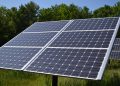
When it comes to assessing the efficiency of solar panels in cooler climates, several factors come into play. Interestingly, solar panels often perform better in cold weather than in hot climates. This is because solar panels rely on sunlight, not heat, to generate electricity. Cooler temperatures can actually increase the efficiency of photovoltaic cells. Photovoltaic efficiency tends to decline as temperatures rise, so a brisk, clear day can be the perfect setting for solar energy production.
Moreover, snowfall can sometimes enhance solar performance. Snow can act as a mirror, reflecting additional sunlight onto the panels, much like a natural light amplifier. However, it’s important to consider the angle and installation of the panels to prevent snow accumulation from blocking sunlight. Here are some key considerations for optimizing solar panel efficiency in cooler climates:
- Panel Tilt: Ensure that panels are installed at an angle that allows snow to slide off easily.
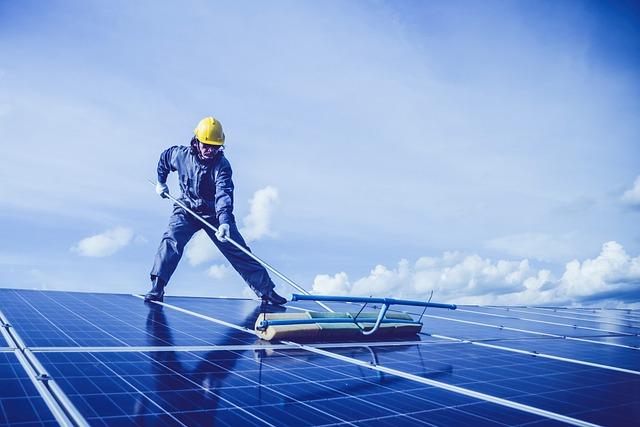
- Regular Maintenance: Keep panels clean and free of debris to maximize sunlight exposure.
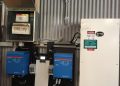
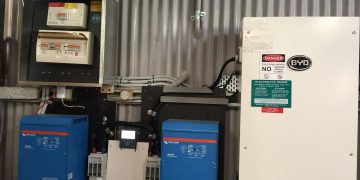
- Efficient Inverters: Use high-quality inverters to convert solar energy more effectively.
Uncovering Financial Incentives for Solar in the North
For residents of northern regions considering solar energy, understanding the myriad of financial incentives available can significantly impact the decision-making process. While cooler climates might not seem ideal for solar panels at first glance, numerous financial mechanisms make them an attractive option. Federal tax credits are among the most compelling incentives, offering a substantial reduction in the initial cost of solar installations. Many states in the north also offer state-specific rebates and performance-based incentives that reward solar energy production, regardless of the weather conditions.
- Federal Tax Credits: These can cover up to 30% of installation costs, making solar more accessible.
- State Rebates: Some northern states provide additional rebates to encourage solar adoption.
- Performance-Based Incentives: Earn money based on the energy your panels produce, even on cloudy days.
- Net Metering: Excess energy can be sold back to the grid, reducing electricity bills.
Moreover, net metering policies in many northern states allow homeowners to feed surplus energy back into the grid, effectively reducing electricity bills and enhancing savings. Coupled with declining costs of solar technology, these incentives create a compelling financial argument for solar panels, even in less sunny climates.
Technological Innovations Boosting Solar Performance
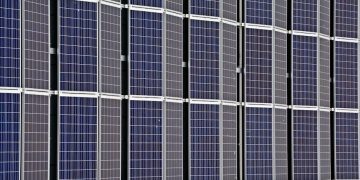
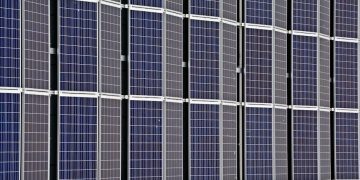
As the world continues to innovate, the solar industry is not left behind, with remarkable advancements enhancing the efficiency of solar panels, even in cooler climates. Bifacial solar panels are at the forefront of this evolution, capturing sunlight from both sides, thus increasing energy output. These panels are particularly advantageous in snowy regions, as the reflective properties of snow can amplify energy absorption.
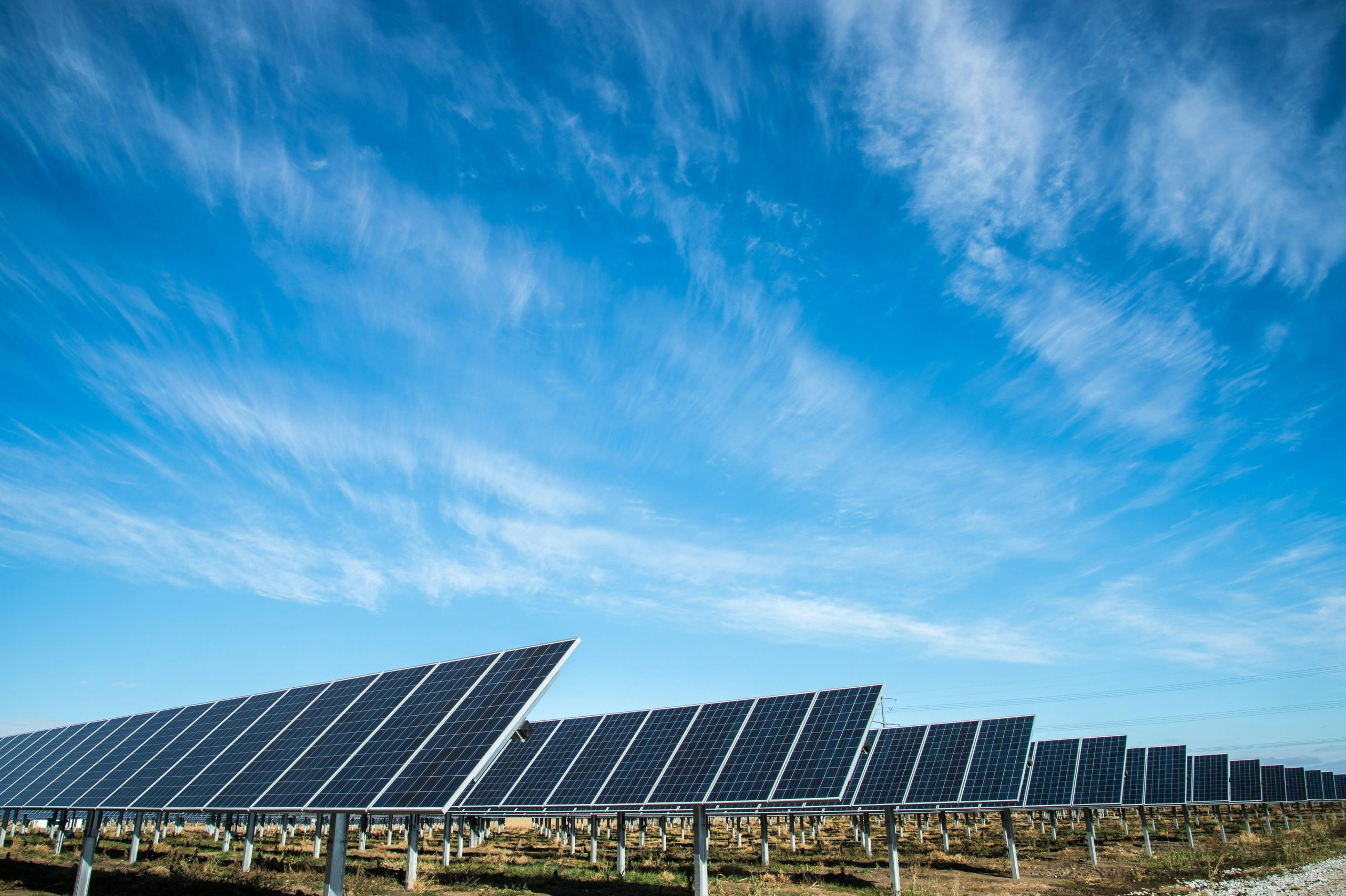
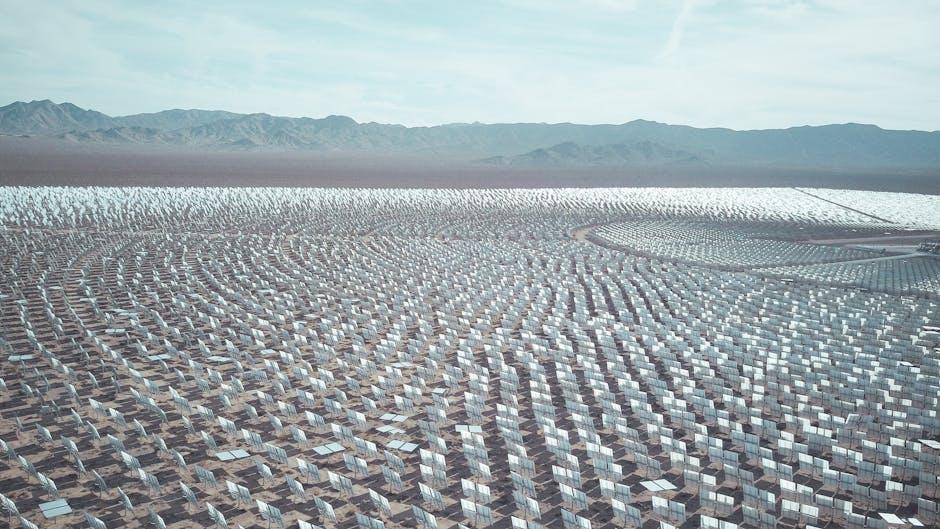
Another groundbreaking development is the integration of solar tracking systems. These systems allow panels to follow the sun’s path throughout the day, optimizing the angle of exposure and maximizing energy capture. In addition, microinverter technology has revolutionized how energy is harnessed and converted, offering superior efficiency by optimizing each panel individually. These innovations collectively ensure that even those living in less sunny locales can benefit significantly from solar energy.
- Bifacial Solar Panels: Enhanced energy capture from reflective surfaces.
- Solar Tracking Systems: Maximizes sun exposure throughout the day.
- Microinverter Technology: Individual panel optimization for greater efficiency.
Practical Tips for Maximizing Solar Benefits in Cooler Regions
Living in cooler regions doesn’t mean you can’t reap the benefits of solar energy. In fact, with the right approach, solar panels can be a viable and sustainable option. Here are some practical tips to ensure you maximize the benefits:
- Optimal Placement: Position your panels to capture the most sunlight. In the Northern Hemisphere, this typically means a south-facing orientation at an angle equal to your latitude.
- Regular Maintenance: Keep panels clean from snow, debris, and dust. Regularly inspect them for any damage to maintain efficiency.
- Invest in Quality: Choose high-efficiency panels designed for lower-light conditions. Technologies like monocrystalline panels perform better in diffused light.
- Monitor Energy Usage: Use smart energy management systems to track and optimize your solar energy consumption.
By implementing these strategies, you can ensure your solar panels provide optimal energy output, even in less sunny environments. Consider consulting with a local solar expert to tailor solutions specific to your regional climate conditions.
Wrapping Up
As we draw the curtain on our exploration of solar panels in cooler climates, it’s clear that the sun’s reach extends far beyond its warmth. The decision to harness solar energy, even in regions where the chill lingers, is a dance between environmental consciousness and economic savvy. While the skies may not always be clear, the potential for harnessing renewable energy remains steadfast, inviting homeowners to consider the broader horizon of sustainability. Whether you’re swayed by the promise of reduced energy bills or the allure of a greener footprint, the path to solar is paved with possibilities. As with any investment, due diligence is key, and in the ever-evolving landscape of renewable energy, the sun might just be a more reliable ally than we ever imagined. So, whether your view is frost-kissed or sun-drenched, the potential of solar power invites us all to imagine a brighter, more sustainable tomorrow.