












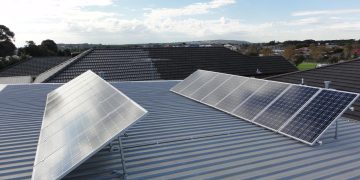







In a world where the sun rises every day, casting its golden glow across rooftops and landscapes, the idea of harnessing its energy has captured the imagination of many. As the conversation around renewable energy intensifies, families everywhere find themselves at a crossroads, pondering the potential of solar power to illuminate their lives in more ways than one. Is solar energy the beacon of sustainability and savings your family has been searching for, or is it a mirage in the vast desert of energy options? Join us as we explore the rays of opportunity and challenges that come with adopting solar energy, helping you decide if this bright path aligns with your family’s needs and values.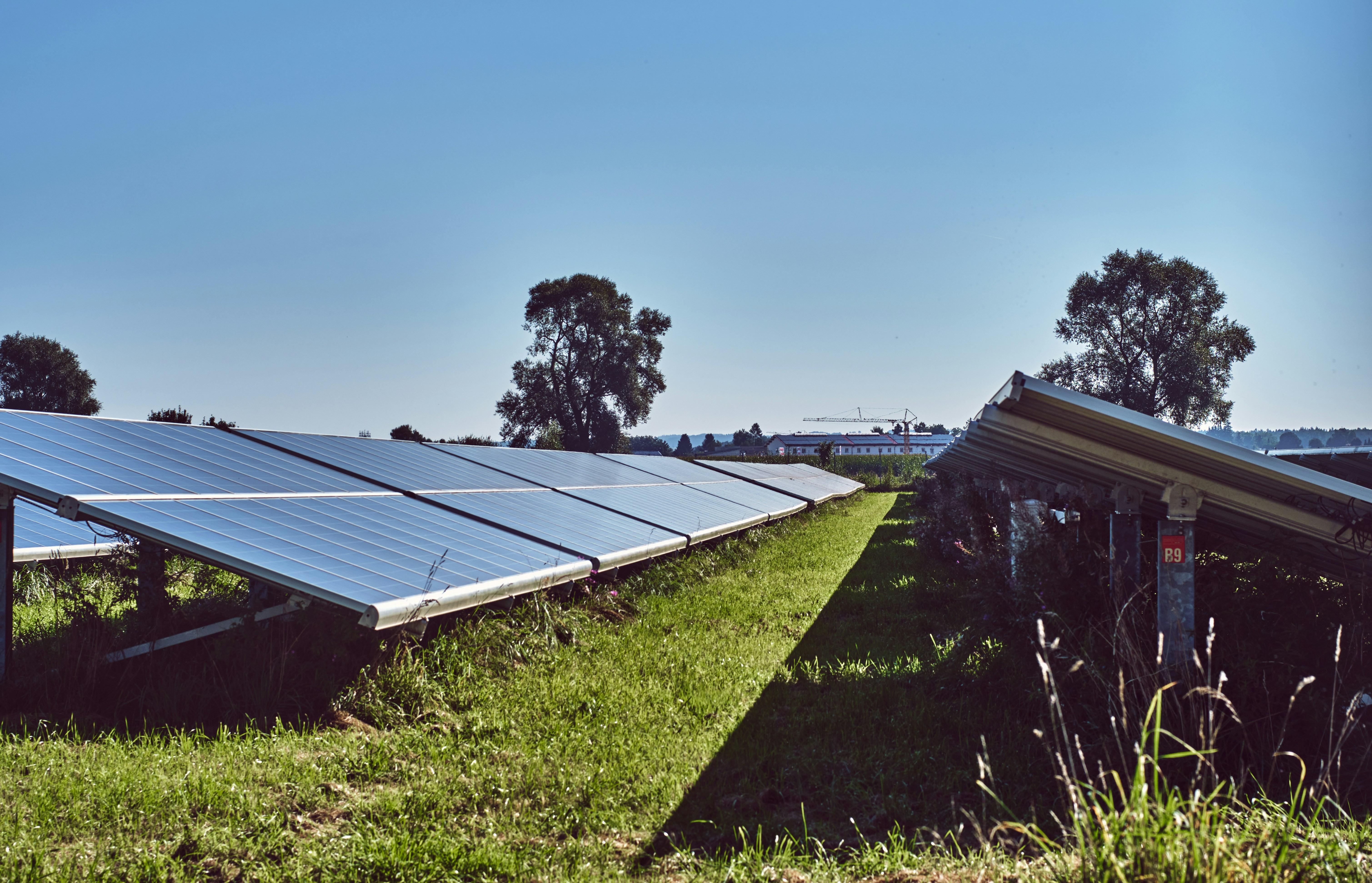
Understanding Solar Energy: A Bright Option for Your Home
When considering the adoption of solar energy for your home, it’s essential to evaluate how this renewable resource can align with your family’s unique needs and lifestyle. Solar panels can be an excellent investment, offering both environmental benefits and potential savings on electricity bills. But is it the right fit for you? Here are some factors to consider:
- Location and Sunlight Exposure: Homes in sunny regions will naturally benefit more from solar energy. Evaluate the average sunlight your home receives and check for any obstructions like trees or buildings that might block the sun.
- Financial Considerations: While the initial cost can be significant, there are often government incentives and financing options available to help ease the financial burden. Calculate the long-term savings on energy bills and compare them with the upfront investment.
- Energy Consumption: Analyze your family’s energy usage patterns. Solar energy can significantly reduce dependency on traditional electricity, especially if your household consumes a lot of energy during daylight hours.
- Environmental Impact: If sustainability is a priority, adopting solar energy reduces your carbon footprint and contributes to a greener planet.
By weighing these considerations, you can make an informed decision about whether solar energy is the right choice for your family, offering both practical and environmental benefits.
Evaluating Costs and Savings: Is Solar Worth the Investment
When considering solar energy for your home, it’s crucial to weigh the initial investment against potential long-term savings. Installation costs can vary significantly based on your location, roof type, and the system size you choose. However, many homeowners find that the reduction in their monthly electricity bills and the increase in property value often justify the upfront expense.
- Federal and state incentives: Tax credits and rebates can significantly reduce the cost of installation.
- Net metering: This allows you to sell excess energy back to the grid, offsetting your energy costs.
- Longevity and durability: Solar panels typically last 25-30 years, offering a long-term reduction in energy expenses.
Evaluating these factors can help you determine whether solar energy is a financially viable option for your family, potentially leading to substantial savings over time.

Navigating Installation: Choosing the Right System for Your Needs
Embarking on the journey to solar energy involves more than just basking in the glow of sustainability; it’s about making informed choices that align with your household’s unique needs. Selecting the ideal solar system requires a keen understanding of several key factors. Consider your home’s energy consumption patterns, available roof space, and budget. The types of solar panels—monocrystalline, polycrystalline, or thin-film—each come with distinct efficiency levels and costs, making it essential to match the system to your specific usage and financial plans.
Beyond the panels themselves, explore additional elements that can enhance your solar experience:
- Inverter Options: Choose between string inverters and microinverters based on your roof’s orientation and shading.
- Battery Storage: Decide if energy storage solutions fit your needs for energy independence or grid backup.
- Financing Plans: Evaluate purchase options such as leases, loans, or power purchase agreements (PPAs) to find the best financial fit.
By carefully assessing these components, you can craft a solar setup that not only meets your energy demands but also aligns seamlessly with your family’s lifestyle.

Long-term Benefits: Solar Energy and Your Familys Future
Investing in solar energy is not just about the immediate savings on your electricity bills; it also provides a host of long-term advantages that can significantly enhance your family’s future. Over the years, solar energy systems can lead to a substantial increase in property value. Homes equipped with solar panels are increasingly sought after in the real estate market, making your home more attractive to potential buyers. Moreover, as energy costs continue to rise, having a solar energy system can offer your family protection against these escalating expenses, providing a sense of financial security.
Beyond the economic benefits, solar energy contributes positively to the environment, fostering a sustainable future for your children. By reducing reliance on fossil fuels, you help decrease greenhouse gas emissions, combat climate change, and promote cleaner air. Families adopting solar energy often experience a sense of empowerment and responsibility, knowing they are making a positive impact. Consider these benefits as you decide whether solar energy aligns with your family’s long-term goals:
- Enhanced Property Value: Solar-equipped homes tend to sell at a premium.
- Financial Stability: Protection against rising energy costs.
- Environmental Impact: Contribution to reducing carbon footprint.
- Energy Independence: Less reliance on external energy sources.
Closing Remarks
As we draw the curtains on our exploration of solar energy’s potential for your family, it’s clear that the decision is as unique as the households considering it. Solar energy offers a beacon of sustainability and independence, yet it also requires careful contemplation of financial, geographical, and lifestyle factors. Whether your family embraces the sun’s power or takes a different path, the journey toward a more sustainable future is a shared one. May your choice illuminate the way forward, as bright as the sun’s first rays breaking the dawn.