












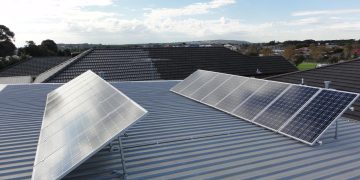

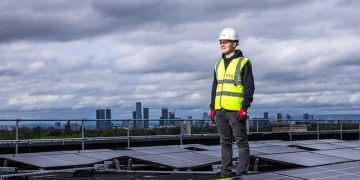




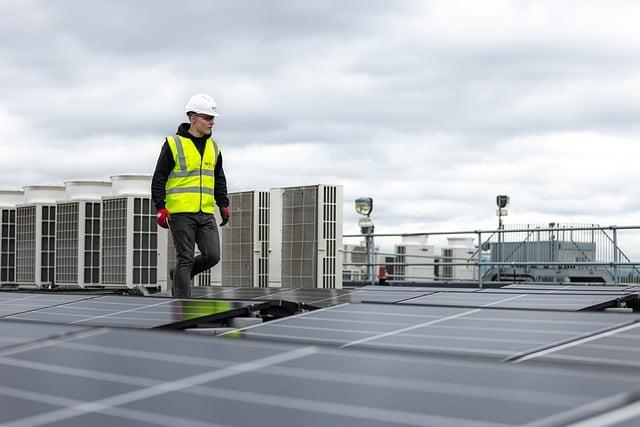
As the sun casts its golden rays across the globe, it not only illuminates our world but also powers a burgeoning industry poised to redefine the future of work: solar energy. This clean and renewable energy source has sparked a vibrant job market, with opportunities blooming in diverse regions, each reflecting unique characteristics and growth trajectories. From the sun-drenched deserts of the American Southwest to the innovative solar farms in Europe’s heartland, the solar energy job market is as varied as the landscapes it inhabits. In this article, we embark on a journey to analyze the regional dynamics of this sector, exploring how geography, policy, and innovation converge to shape employment opportunities. Whether you’re a job seeker, an industry expert, or simply a curious reader, join us as we delve into the solar energy job market, uncovering the nuances and trends that define its regional landscapes.
Regional Disparities and Growth Opportunities in the Solar Energy Job Market
The solar energy job market presents a mosaic of opportunities and challenges, influenced by regional factors such as climate, policy, and infrastructure. While some regions bask in the sunshine of growth, others are shadowed by various barriers. In the sun-soaked Southwest, states like Arizona and New Mexico are seeing a boom in solar installations, driving demand for skilled technicians and project managers. Meanwhile, the Southeast is emerging as a hotspot, with states like Florida capitalizing on favorable policies to foster job creation in solar manufacturing and installation.
However, not all regions share this sunny outlook. Northeastern states often face higher costs and regulatory hurdles, impacting job growth in the sector. Similarly, in parts of the Midwest, the absence of robust infrastructure and incentives has slowed progress. Yet, these disparities also highlight untapped potential. By addressing policy inconsistencies and investing in local training programs, these regions could unlock significant growth. Opportunities abound for entrepreneurs and policymakers to collaborate, transforming these challenges into catalysts for regional economic rejuvenation. Key areas of focus include:
- Policy Reforms: Streamlining regulations to encourage investment.
- Training Initiatives: Developing local workforce skills in solar technology.
- Infrastructure Development: Enhancing grid capabilities to support solar expansion.

Skills in Demand: Navigating the Solar Sectors Evolving Workforce Needs
As the solar energy industry continues its rapid expansion, the demand for skilled professionals in this sector is evolving dramatically across different regions. The ever-increasing need for renewable energy solutions has led to a surge in employment opportunities, each requiring a unique set of skills. Regions with abundant sunlight, such as the southwestern United States and parts of Australia, are particularly active in recruiting talent with expertise in photovoltaic systems and solar panel installation. Conversely, European countries, with their focus on innovation and sustainability, are seeking professionals skilled in solar technology development and integration into smart grid systems.
- Technical Skills: Proficiency in solar panel installation, electrical engineering, and system design are highly sought after.
- Project Management: Ability to oversee solar projects from conception to completion, ensuring timely delivery and budget adherence.
- Research and Development: Expertise in advancing solar technologies, improving efficiency, and reducing costs.
- Sales and Marketing: Skills in promoting solar products and services, understanding market trends, and expanding customer bases.
Employers are increasingly valuing cross-disciplinary expertise, blending technical know-how with business acumen to drive growth in the solar sector. As regional markets differ in their focus and needs, professionals should tailor their skillsets to align with local industry demands, positioning themselves at the forefront of the renewable energy revolution.
Harnessing Potential: Strategic Recommendations for Regional Workforce Development
As the solar energy industry continues to expand, regions can capitalize on this growth by tailoring workforce development strategies to local needs. A nuanced understanding of regional strengths and challenges can guide the creation of robust job markets. Key strategic recommendations for enhancing workforce potential in solar energy include:
- Localized Training Programs: Develop partnerships between educational institutions and solar companies to create training programs that align with regional demands and technology advancements.
- Investment in Infrastructure: Allocate resources to improve grid infrastructure, enabling more efficient integration of solar energy systems and opening up new job opportunities.
- Community Engagement: Foster community awareness and involvement through workshops and informational sessions, highlighting the benefits and career prospects within the solar sector.
- Policy Support: Advocate for regional policies that incentivize solar adoption, providing a stable framework for job growth and industry expansion.
By focusing on these strategies, regions can effectively harness their workforce potential, driving economic growth and establishing themselves as leaders in the renewable energy sector.

Emerging Trends and Future Prospects in Global Solar Employment
The global solar employment landscape is witnessing transformative shifts, driven by advancements in technology and evolving energy policies. Automation and digitalization are increasingly prevalent, streamlining solar panel manufacturing and installation processes. This is not only boosting efficiency but also reshaping the skills required in the workforce. Sustainability-focused innovations, such as bifacial solar panels and agrivoltaics, are creating new job categories and diversifying employment opportunities. Regions with a strong emphasis on research and development, like Europe and North America, are at the forefront of these technological trends.
- Asia-Pacific: Rapid expansion in solar infrastructure is leading to a surge in demand for skilled technicians and project managers.
- Europe: Emphasis on green energy transition is fueling job growth in research, policy-making, and sustainable project development.
- North America: With increasing investment in renewable energy, roles in solar project financing and strategic planning are gaining prominence.
- Africa: Off-grid solar solutions are driving employment in rural electrification projects and community engagement roles.
- Latin America: Government incentives and international partnerships are accelerating solar adoption, thus creating diverse job opportunities in installation and maintenance.
The Way Forward
As the sun dips below the horizon, casting a warm glow across the diverse regions of our planet, the solar energy job market continues to shine brightly with promise and potential. From the bustling urban centers to the serene rural landscapes, each region presents its own unique opportunities and challenges, weaving a complex tapestry of growth in the renewable energy sector. As we navigate this evolving landscape, it’s clear that the journey towards a sustainable future is not just about harnessing the sun’s power, but also about empowering the workforce that drives this transformation. In this vibrant intersection of innovation and opportunity, the solar energy job market stands as a beacon of hope and progress, lighting the way towards a brighter, more sustainable tomorrow.