





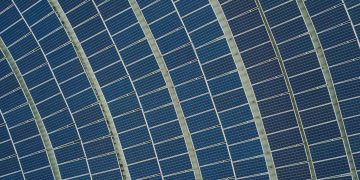


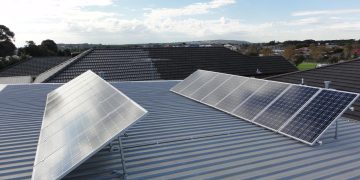
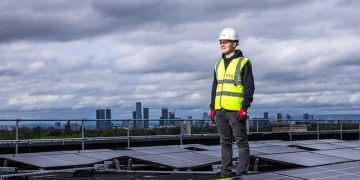
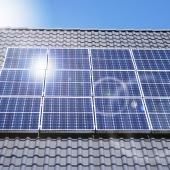



In a world where innovation often feels like a race against time, the sun has long been a steadfast companion, silently powering life on Earth. Yet, as we stand on the brink of a new era in energy, the sun is stepping into the spotlight in unexpected ways. Beyond the familiar rows of rooftop panels and vast solar farms stretching across deserts, a revolution is quietly unfolding. This revolution is not just about harnessing solar energy more efficiently, but about reimagining its potential applications in ways that surprise and inspire. From transforming urban architecture to pioneering solutions in the most remote corners of the planet, solar energy is venturing into uncharted territories, challenging our perceptions and reshaping our future. Join us as we explore the most surprising applications of solar energy, where creativity meets sustainability, and the ordinary transforms into the extraordinary.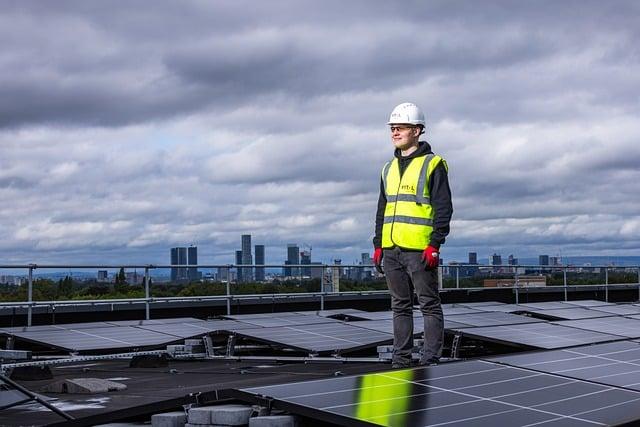
Harnessing the Sun: Innovative Solar-Powered Transportation Solutions
- Solar-Powered Trains: Imagine gliding through picturesque landscapes in a train powered solely by the sun. Solar panels installed on the rooftops of train cars capture the sun’s energy, transforming it into a clean, efficient power source. This innovation not only reduces carbon footprints but also promises a future where public transport is both sustainable and cost-effective.
- Sunlit Sea Voyages: Solar energy is making waves in the maritime industry as well. Solar-powered boats and ships are becoming a reality, with solar panels adorning decks and sails. These vessels harness sunlight to power their engines, offering a quiet and emission-free journey across oceans and rivers. This technology is particularly appealing for leisure and tour boats, where a serene, environmentally-friendly experience is highly valued.
- Solar Airplanes: While it might sound like science fiction, solar-powered aviation is taking flight. Pioneering solar planes have already completed intercontinental journeys, showcasing the potential for long-haul, zero-emission flights. By integrating lightweight solar panels into the aircraft’s wings, these planes use solar energy to power electric motors, setting the stage for a new era in air travel.
Revolutionizing Agriculture: Solar Energys Impact on Modern Farming Techniques
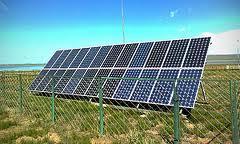
As the world increasingly turns to sustainable energy solutions, the agricultural sector is undergoing a transformative shift with the integration of solar power. Solar-powered irrigation systems are at the forefront of this revolution, enabling farmers to harness the sun’s energy to water their crops efficiently. This not only reduces dependency on traditional energy sources but also significantly lowers operational costs. With solar panels installed directly in the fields, farmers can access a consistent and renewable energy source, ensuring that their irrigation needs are met even in remote locations. This technology is proving especially beneficial in regions where electricity access is limited, allowing for enhanced agricultural productivity and improved food security.
Another exciting development is the use of solar greenhouses. These innovative structures utilize solar panels to generate electricity, which is then used to control the internal climate, optimizing growing conditions for a wide variety of crops. The benefits are numerous, including reduced energy costs and the ability to grow produce year-round, regardless of external weather conditions. Furthermore, solar greenhouses can be designed to collect and store excess energy, providing a sustainable solution that minimizes the environmental impact of traditional farming practices. With these advancements, solar energy is not only changing the way we farm but also paving the way for a more resilient and sustainable agricultural future.
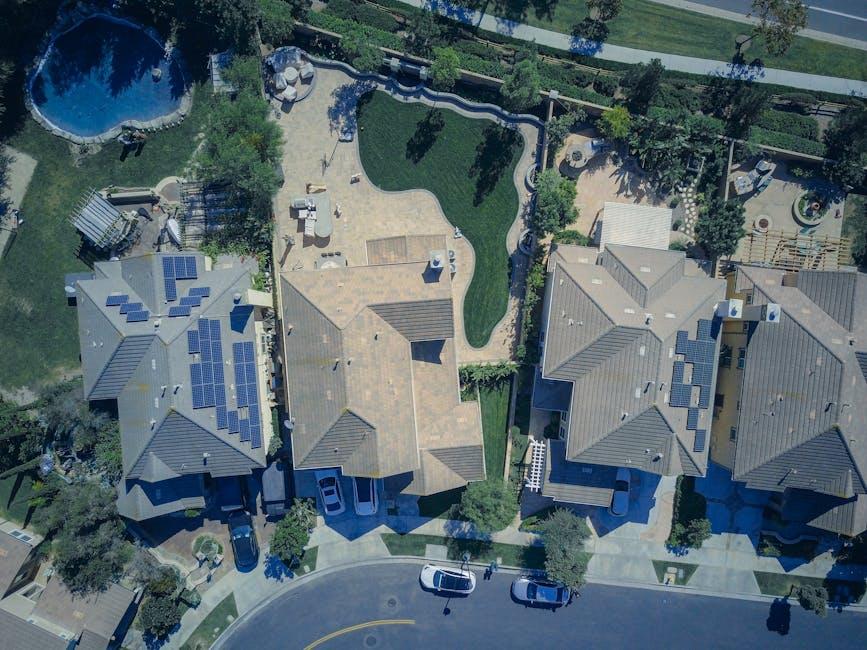
Beyond the Rooftop: Unexpected Urban Applications of Solar Technology
In the dynamic world of urban development, solar technology has emerged as a transformative force, extending far beyond traditional applications. Today, cities are leveraging solar energy in innovative ways that blend seamlessly into the urban landscape. Here are some surprising applications that might just redefine how we view solar power in cities:
- Solar-Powered Transit Shelters: Imagine waiting for a bus under a shelter that not only provides shade but also harnesses the sun’s energy to power digital displays and charge electronic devices.
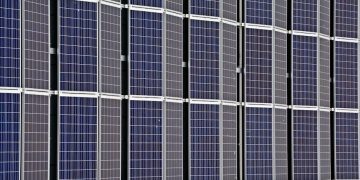
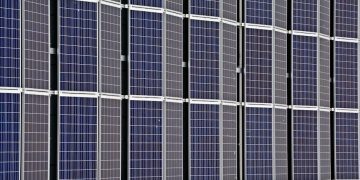
- Photovoltaic Windows: Urban skyscrapers are turning into vertical powerhouses with the integration of transparent solar panels that generate electricity while maintaining aesthetic appeal.
- Solar-Paved Roads: Innovative solar pavements are transforming roads into energy-generating surfaces, offering potential solutions for street lighting and even electric vehicle charging.
- Floating Solar Farms: Utilizing urban water bodies, these floating installations maximize space efficiency and contribute to the city’s renewable energy supply without occupying valuable land.
- Solar Sound Barriers: Along busy highways, sound barriers are doubling as solar power stations, effectively turning noise pollution solutions into sustainable energy sources.
These applications not only enhance the functionality of urban infrastructure but also underscore the versatility and untapped potential of solar technology in reshaping modern cities.

Illuminating the Future: Strategic Recommendations for Expanding Solar Use
As we look to the horizon of solar energy applications, a variety of innovative uses beckon us to think beyond the traditional solar panels on rooftops. Strategic expansion in solar technology could involve a spectrum of possibilities that redefine how we harness the sun’s power. Here are a few imaginative recommendations to consider:
- Solar-Powered Desalination Plants: Transforming seawater into drinkable water is energy-intensive, but with solar-driven systems, this process could become more sustainable, offering a vital resource in arid regions.
- Solar Highways: Imagine roads that not only guide our journeys but also generate energy. By integrating photovoltaic cells into road surfaces, highways could become sprawling power plants, reducing the need for external energy sources.
- Floating Solar Farms: Placing solar panels on bodies of water not only conserves land but also reduces water evaporation. This dual-purpose application is especially beneficial in regions with limited space and high temperatures.
- Solar-Powered Wearables: From fitness trackers to smart clothing, incorporating solar cells into wearable tech could lead to self-charging devices, freeing users from the constant need for recharging.
These strategic recommendations aim to illuminate the path forward, showcasing how solar energy can be seamlessly integrated into diverse aspects of our daily lives, pushing the boundaries of what’s possible.
To Conclude
As we journey through the vast landscape of solar innovation, it’s clear that the sun’s potential stretches far beyond our traditional expectations. From powering remote villages to charging the latest tech gadgets and even driving sustainability in unexpected industries, the applications of solar energy are as diverse as they are transformative. As we continue to harness this abundant resource, the line between science fiction and reality blurs, opening up new possibilities for how we live and interact with the world around us. Embracing these surprising applications not only paves the way for a more sustainable future but also inspires us to rethink what is possible under the sun. As we bask in the glow of these advancements, one thing is certain: the future of solar energy is as bright as the star that fuels it.