








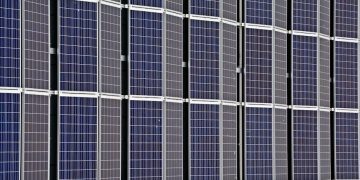
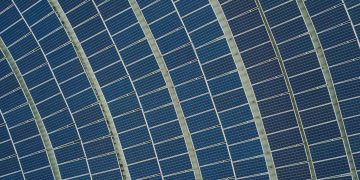


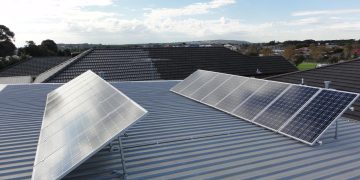
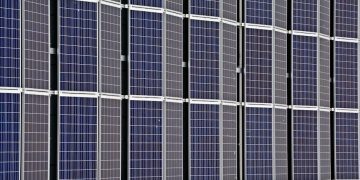






In the vast expanse of technological advancement, where innovation meets sustainability, lies a burgeoning field that promises to reshape the very fabric of energy harnessing: nanotechnology. As the world pivots towards renewable energy sources to combat climate change, solar power emerges as a beacon of hope, capturing the sun’s rays to illuminate our future. Yet, the efficiency and accessibility of solar panels have long been challenged by the constraints of conventional manufacturing techniques. Enter nanotechnology—a realm where materials are engineered at an atomic scale, unlocking unprecedented potential. This microscopic frontier is not merely a scientific curiosity; it is a transformative force redefining how solar panels are conceived, crafted, and deployed. As we delve into the role of nanotechnology in solar panel manufacturing, we uncover a story of innovation and potential, where the smallest of particles could wield the power to revolutionize global energy solutions.
Harnessing the Invisible: Nanotechnologys Impact on Solar Efficiency
In the quest for more efficient solar panels, nanotechnology emerges as a transformative force, redefining how we harness the sun’s energy. By manipulating materials at the atomic and molecular levels, nanotechnology enhances the photovoltaic properties of solar cells. This innovation is pivotal in increasing the light absorption and conversion efficiency, crucial for maximizing energy output. Nanostructured materials, such as quantum dots and carbon nanotubes, offer unique optical and electrical properties that traditional materials simply cannot match.
The integration of nanotechnology in solar panel manufacturing brings several advantages:
- Increased Efficiency: Nanomaterials can capture a broader spectrum of sunlight, significantly improving energy conversion rates.
- Reduced Material Costs: By using thinner layers of photovoltaic materials, manufacturers can cut down on production expenses while maintaining performance.
- Enhanced Durability: Nanocoatings can protect solar panels from environmental damage, extending their lifespan and reducing maintenance needs.
As these microscopic innovations continue to evolve, they hold the promise of making solar energy a more accessible and reliable power source for the world.

From Nano to Nature: Enhancing Sustainability in Solar Production
As the world pivots towards cleaner energy sources, the integration of nanotechnology into solar panel manufacturing is proving to be a game-changer. By employing nanostructured materials, manufacturers are able to enhance the efficiency and durability of solar cells. These tiny materials, often measuring less than 100 nanometers, can be engineered to capture a broader spectrum of sunlight, thereby maximizing energy conversion. This breakthrough not only boosts the performance of solar panels but also reduces the overall production cost, making renewable energy more accessible.
- Increased Efficiency: Nanoparticles can be tailored to absorb more sunlight, leading to higher energy yields.
- Durability: Nanocoatings can protect solar cells from environmental damage, extending their lifespan.
- Cost-Effectiveness: Reduced material usage and enhanced performance can lower manufacturing expenses.
- Eco-Friendly: Utilizing nanotechnology can minimize waste and the need for rare earth materials, aligning with sustainable practices.
Through these innovations, nanotechnology is paving the way for a more sustainable and efficient future in solar energy, bridging the gap between technological advancement and environmental stewardship.

Revolutionizing Energy: Nanotech Innovations in Photovoltaic Design
In recent years, nanotechnology has emerged as a game-changer in the manufacturing of solar panels, offering breakthroughs that were once deemed unattainable. By integrating nanoparticles into photovoltaic cells, manufacturers are enhancing the efficiency and durability of solar panels. This innovative approach addresses several challenges faced by traditional solar technologies. Some of the key advantages include:
- Increased Efficiency: Nanoparticles can be engineered to absorb a broader spectrum of sunlight, thereby converting more sunlight into electricity.
- Reduced Costs: The use of nanomaterials can decrease the amount of silicon needed, leading to lower production costs.
- Enhanced Durability: Nanocoatings can protect solar panels from environmental wear and tear, extending their lifespan significantly.
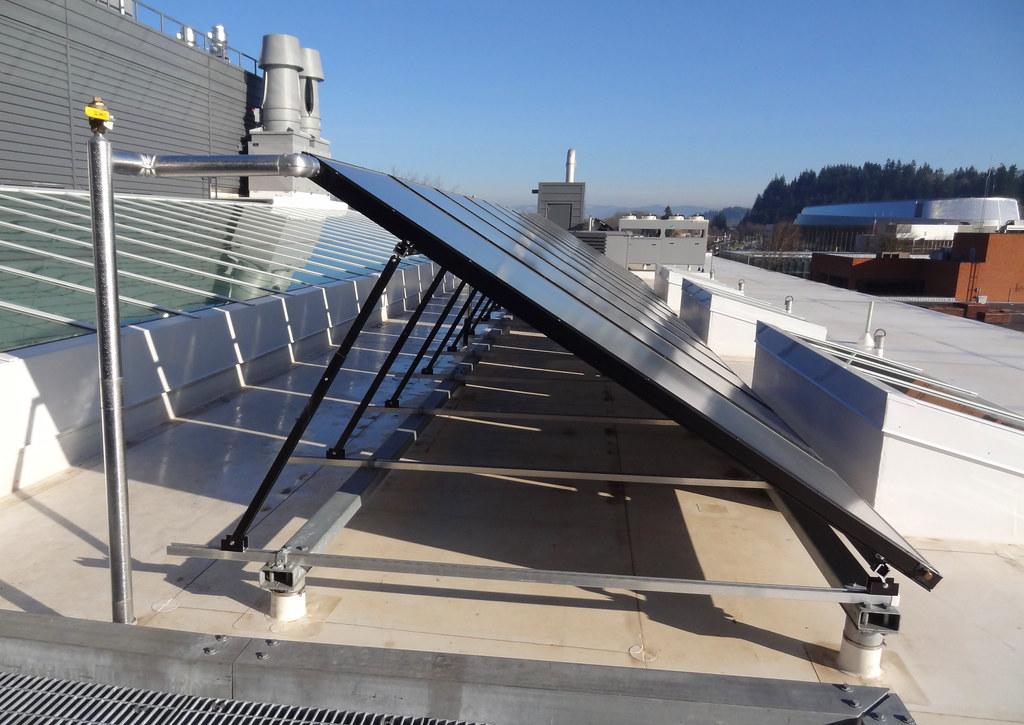
These advancements are not just theoretical. Real-world applications are demonstrating the potential for nanotech-enhanced solar panels to transform the energy landscape. From urban rooftops to sprawling solar farms, the integration of nanotechnology is setting new benchmarks in sustainable energy production, proving that the future of solar energy is not only bright but also incredibly efficient and cost-effective.
Future-Proofing Solar Panels: Strategic Recommendations for Nanotech Integration
Integrating nanotechnology into solar panel manufacturing can significantly enhance efficiency, durability, and cost-effectiveness. Nanomaterials like quantum dots, graphene, and carbon nanotubes offer the potential to revolutionize solar energy capture and conversion processes. To effectively future-proof solar panels, manufacturers should consider strategic recommendations for leveraging these advancements.
- Innovative Coating Solutions: Utilizing nanotech-based coatings can improve light absorption and reduce energy losses, boosting overall panel efficiency.
- Enhanced Durability: Nanomaterials can be engineered to create more resilient panels, resistant to environmental wear and tear, thus extending their lifespan.
- Cost Reduction: By adopting nanotechnology, manufacturers can streamline production processes and reduce material costs, making solar energy more accessible.
By embracing these strategies, the solar industry can not only improve current technologies but also lay the groundwork for future innovations, ensuring sustainability and competitiveness in the evolving energy landscape.
The Way Forward
As we stand on the precipice of a new era in energy production, the fusion of nanotechnology and solar panel manufacturing emerges as a beacon of innovation. This dynamic partnership not only promises to enhance the efficiency and affordability of solar energy but also heralds a transformative shift in how we harness the sun’s abundant power. By shrinking technology to the nanoscale, we open doors to possibilities previously unimaginable, paving the way for a future where sustainable energy is not just an aspiration but a reality. As the sun sets on traditional methods and rises on this cutting-edge frontier, the world watches with anticipation, eager to witness the unfolding of a brighter, more sustainable tomorrow.