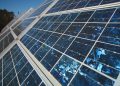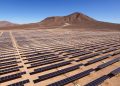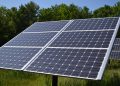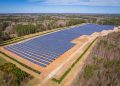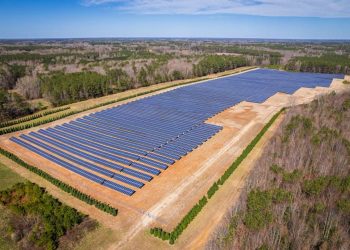


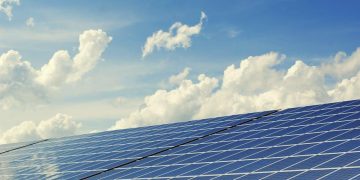
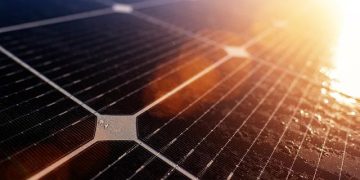




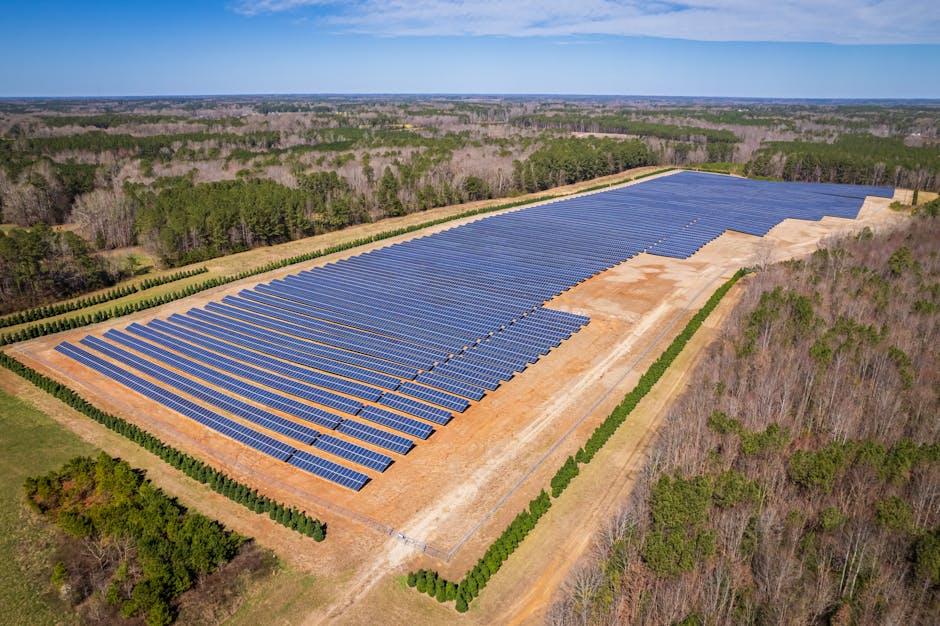
In an era where sustainability is no longer just an aspiration but a necessity, the allure of high-efficiency solar panels has captured the imaginations of eco-conscious homeowners and forward-thinking industries alike. Yet, as these sleek panels glint atop rooftops and span across solar farms, one question lingers: what underpins their cost? Beyond the visible array of silicon cells lies a complex tapestry of innovation, market dynamics, and global supply chains. Understanding the factors that drive the cost of high-efficiency solar panels requires a journey through the world of cutting-edge technology, economic forces, and environmental imperatives. This article seeks to unravel these threads, offering a glimpse into the myriad elements that shape the price tag of these modern marvels of energy production.
Material Innovations Shaping the Future of Solar Panels
- Perovskite Solar Cells: This innovative material has garnered attention due to its potential for high efficiency and lower production costs. Perovskite solar cells offer flexibility and can be manufactured using simple printing techniques, reducing the overall expense. The ability to tune their bandgap also enhances their efficiency, making them a promising contender in the solar market.
- Multi-junction Solar Cells: By stacking multiple layers of semiconductor materials, these cells can capture a broader spectrum of sunlight, significantly increasing efficiency. While traditionally expensive, advancements in material science are making these multi-junction cells more affordable, paving the way for their widespread use in commercial applications.
- Organic Photovoltaics (OPVs): Composed of carbon-based materials, OPVs are lightweight and can be produced in large, flexible sheets. Although currently less efficient than silicon-based panels, continuous research is leading to breakthroughs in stability and efficiency, offering a sustainable and cost-effective alternative for future solar technologies.
The Impact of Manufacturing Techniques on Efficiency and Cost
The journey from raw materials to a high-efficiency solar panel is a delicate dance of precision and innovation, where each step in the manufacturing process significantly influences both the efficiency and cost of the final product. Advanced manufacturing techniques are pivotal in achieving high conversion rates of sunlight into electricity. By employing cutting-edge technologies such as laser etching, automated cell stringing, and precision lamination, manufacturers can reduce waste and enhance the photovoltaic performance of each panel. These techniques, while more expensive initially, often lead to long-term cost savings through improved efficiency and reduced material waste.
However, the sophistication of these techniques comes with its own set of challenges. The need for highly specialized equipment, skilled labor, and stringent quality control processes can drive up the production costs. Factors that contribute to these costs include:
- Material Quality: The use of high-purity silicon and advanced anti-reflective coatings.
- Innovative Technologies: Integration of bifacial cells and PERC (Passivated Emitter and Rear Cell) technology.
- Energy Consumption: High energy requirements for processes like crystal growth and wafer slicing.
- Scale of Production: Economies of scale can lower costs, but initial investments are substantial.
In essence, the drive for higher efficiency in solar panels is a balancing act between cutting-edge innovation and cost management, where the pursuit of superior technology must harmonize with economic feasibility.
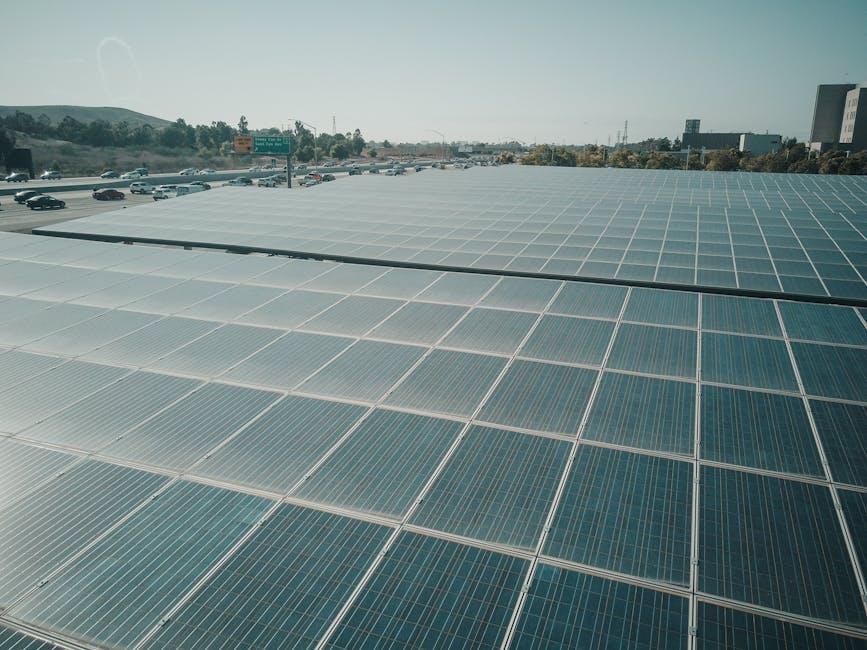
Navigating Market Dynamics to Optimize Solar Investment
- Material Costs: High-efficiency solar panels often incorporate advanced materials like monocrystalline silicon or multi-junction cells, which can drive up production expenses. As these materials require more precision in manufacturing, the costs are reflected in the final product.
- Technological Advancements: The pursuit of greater efficiency often leads to increased research and development expenditures. Cutting-edge technologies, such as Passivated Emitter and Rear Cell (PERC) or bifacial modules, contribute to higher costs due to their innovative nature and the sophisticated production processes involved.
- Market Demand: A surge in demand for high-efficiency panels, driven by both residential and commercial sectors seeking long-term savings, can impact pricing. As consumers become more environmentally conscious, the willingness to invest in superior technology can elevate market prices.
- Scale of Production: Large-scale manufacturing can lead to economies of scale, potentially reducing costs. However, smaller production runs of high-efficiency panels might not benefit from these savings, keeping prices elevated.
- Regulatory Policies: Government incentives and tariffs can either mitigate or exacerbate costs. Policies promoting renewable energy investments might offset some expenses, while tariffs on imported materials could increase overall costs.

Harnessing Government Incentives for Cost-Effective Solar Adoption
Government incentives can significantly lower the cost of adopting high-efficiency solar panels. By tapping into these opportunities, homeowners and businesses can transform the initial investment into a more manageable expense. Federal tax credits, often a substantial portion of the financial support, allow for a deduction from income taxes based on the installation cost of solar panels. Meanwhile, state and local rebates provide additional monetary assistance, sometimes covering up to 20% of the total cost. These programs aim to make renewable energy solutions accessible, driving down the upfront expenses and accelerating the return on investment.
- Net Metering: This policy lets solar panel owners receive credit for the electricity they add to the grid, effectively lowering their utility bills.
- Performance-Based Incentives (PBIs): Unlike rebates, PBIs offer payments based on the energy your solar system generates, ensuring long-term benefits.
- Solar Renewable Energy Certificates (SRECs): These certificates can be sold or traded, providing an additional income stream for solar adopters.
The Way Forward
As we draw the curtains on our exploration of the forces shaping the cost of high-efficiency solar panels, it becomes clear that this intricate dance of innovation and economics is far from static. From the laboratories pushing the boundaries of photovoltaic technology to the global markets responding to the pulse of supply and demand, each element plays its part in determining the price tag on these marvels of modern energy. As we stand on the cusp of a more sustainable future, understanding these dynamics not only empowers consumers and policymakers but also fuels the relentless pursuit of a brighter, cleaner tomorrow. In this evolving landscape, one thing is certain: the quest for affordable, efficient solar power is as dynamic and resilient as the sun itself.