

















In the ever-evolving landscape of renewable energy, solar power has emerged as a beacon of hope for a sustainable future. As sunlight cascades down, promising a cleaner and greener tomorrow, the decision to harness this abundant resource often hinges on a pivotal factor: the cost of installation. While the allure of solar panels glistening atop rooftops is undeniable, the journey to solar adoption is paved with a myriad of financial considerations. This article delves into the intricate web of factors that influence the price of solar installation, unraveling the complexities behind the numbers and shedding light on the path to affordable, sun-powered living. From technological advancements to regional variances, and from policy incentives to market dynamics, we explore the elements that shape the financial landscape of going solar, offering readers a comprehensive guide to understanding the true cost of capturing the sun’s rays.
Navigating Material Costs and Their Impact on Solar Installation Prices
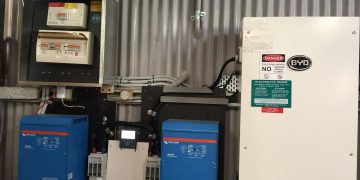
As the global demand for solar energy rises, so do the fluctuations in material costs, which play a pivotal role in determining the final price of solar installations. Solar panels, inverters, and mounting systems are some of the core components affected by these shifts. The price of raw materials such as silicon, copper, and aluminum, essential for manufacturing these components, can vary due to factors like international trade policies, supply chain disruptions, and technological advancements. Such variations can have a cascading effect on the overall cost structure of solar projects.
- Supply Chain Dynamics: Delays and shortages can lead to increased prices, affecting both availability and cost.
- Technological Innovations: While advancements can lower costs in the long run, initial R&D expenses might increase short-term prices.
- Global Economic Trends: Fluctuations in currency exchange rates and geopolitical events can also impact material costs.

Understanding Labor Expenses and Their Influence on Your Solar Investment
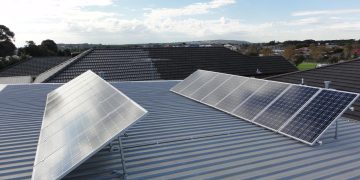
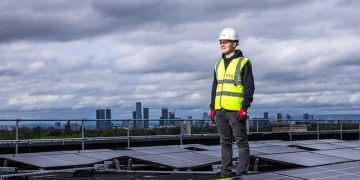
When evaluating the cost of solar installation, one cannot overlook the pivotal role of labor expenses. These costs encompass not only the wages of skilled technicians but also the logistical orchestration required for a successful installation. A comprehensive understanding of these expenses reveals their substantial influence on your overall investment. The complexity of the installation site, for example, can significantly sway labor costs. Challenging rooftops, such as those with steep angles or unconventional materials, demand more time and specialized skills, thus increasing labor charges.
Furthermore, the geographic location of your property can also impact labor expenses. In regions where the demand for solar installations is high, competition among installers may lead to more competitive pricing. Conversely, in areas with fewer qualified technicians, prices may surge due to limited availability. Consideration of these factors is essential for a holistic view of your solar investment. By understanding the intricacies of labor costs, you can make more informed decisions and potentially identify opportunities to optimize your budget.
Exploring Incentives and Rebates to Reduce Solar Installation Costs
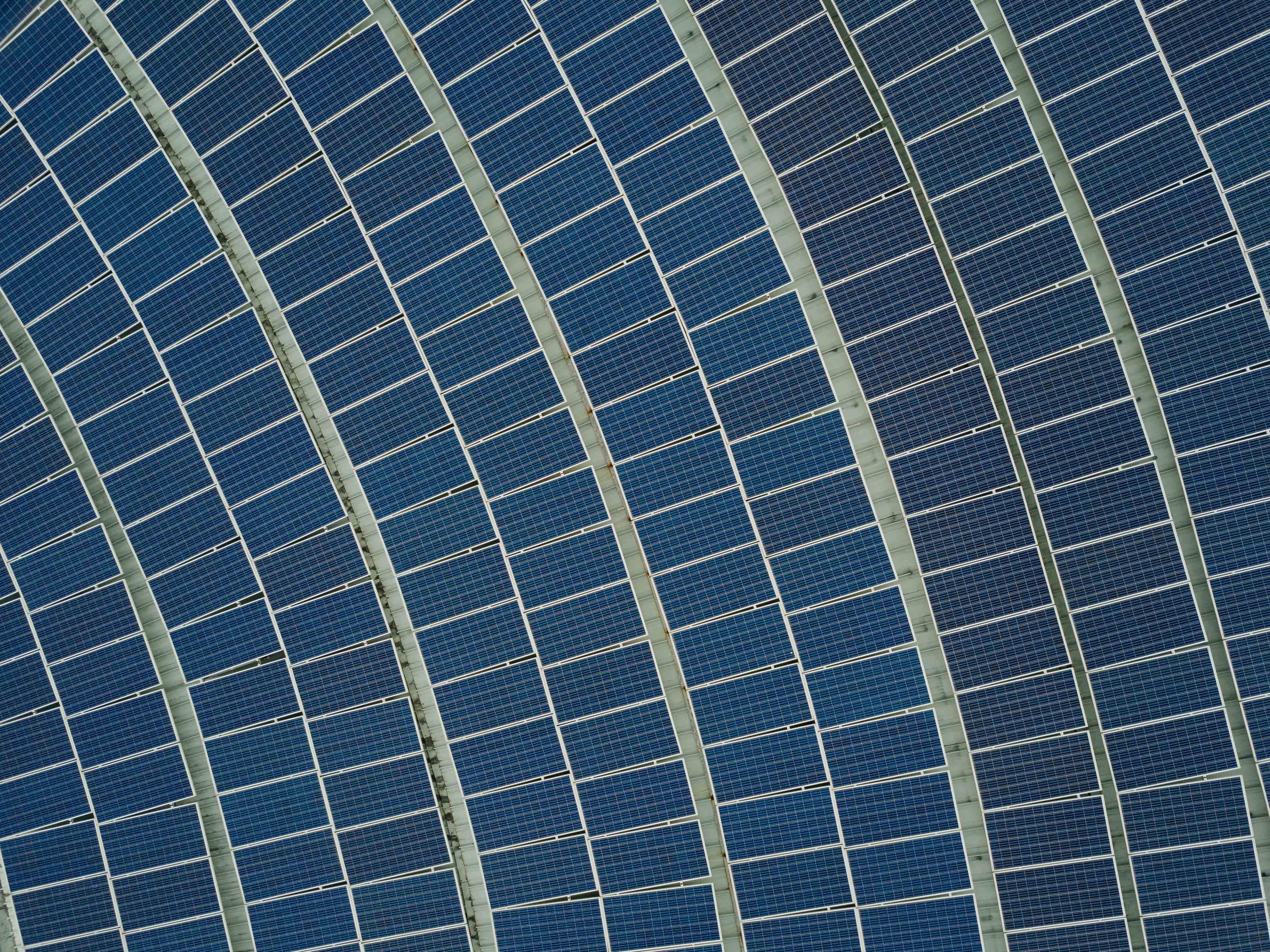
When considering the cost of solar installation, incentives and rebates can play a pivotal role in making the transition to renewable energy more affordable. Many governments and local authorities offer various programs designed to ease the financial burden of solar panel installation. Federal tax credits, for example, allow homeowners to deduct a portion of the cost from their taxes, significantly reducing the initial investment. Additionally, state-level rebates can further cut expenses, with some states offering substantial refunds upon installation.
Beyond government programs, utility companies often provide their own incentives, such as net metering credits, which allow homeowners to sell excess energy back to the grid. Other enticing options include cash rebates and low-interest financing plans. To maximize savings, it’s essential to research the specific incentives available in your region and determine how they align with your financial goals. By tapping into these resources, homeowners can make the transition to solar energy not only feasible but financially savvy.
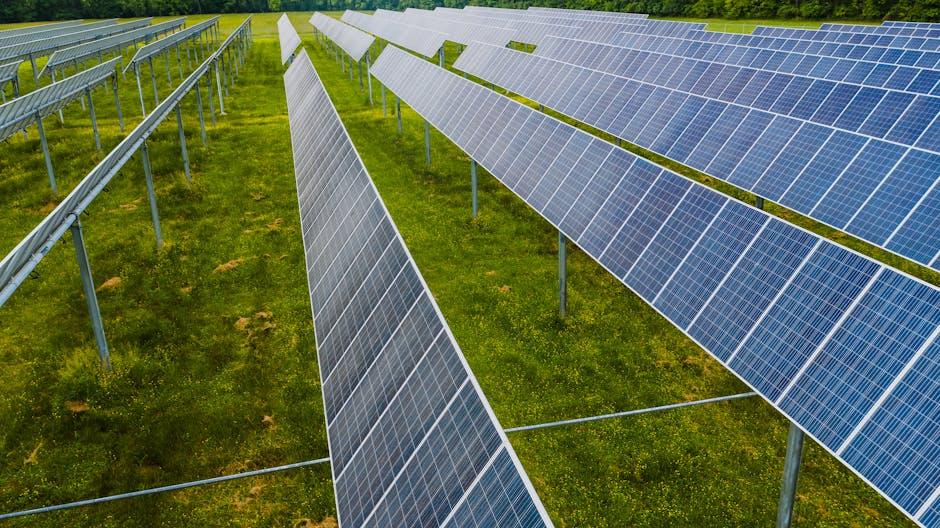
Choosing the Right Solar System Size for Optimal Financial Efficiency
When considering solar installation, determining the ideal system size is crucial for achieving financial efficiency. The right size depends on several key factors that influence both the initial investment and long-term savings. Energy consumption patterns are a primary consideration; analyzing your household’s historical energy usage can provide a clear picture of your needs. Moreover, roof space and orientation play a significant role. A well-oriented, unshaded roof can accommodate a more efficient system, potentially reducing the number of panels required.
Additionally, the local climate and solar incentives available in your area can significantly affect the financial viability of different system sizes. Areas with more sunlight can benefit from smaller systems, while regions offering substantial tax credits or rebates might make larger systems more attractive. Lastly, consider the future energy needs, such as electric vehicle charging or home expansions, which might necessitate a slightly larger system to ensure long-term savings. Balancing these factors can help you choose a solar system size that optimizes your financial returns.
Wrapping Up
As we bask in the radiant promise of solar energy, understanding the myriad factors that influence the price of solar installations becomes not just a pursuit of knowledge but a vital step toward a sustainable future. From the intricacies of technology and market dynamics to the nuances of location and government incentives, each element plays a pivotal role in shaping the landscape of solar affordability. As the sun sets on this exploration, let us remain mindful that while the path to solar adoption may be illuminated by these factors, it is ultimately powered by our collective commitment to innovation and environmental stewardship. The journey may be complex, but the destination—a brighter, cleaner world—is well worth the endeavor.