








In the vast expanse of the universe, the sun stands as a powerful testament to endless energy. As humanity increasingly turns its gaze skyward, seeking sustainable solutions for a brighter tomorrow, solar power emerges as a beacon of hope. Yet, beneath the radiant promise of harnessing sunlight lies a complex web of financial considerations. The decision to go solar is not merely an environmental choice; it is a financial journey that can reshape your economic landscape. In this exploration of solar financing plans, we delve into how different options can illuminate—or overshadow—your path to energy independence, transforming the sun’s rays into a strategic investment in your future. Join us as we unravel the intricacies of solar financing, guiding you through the maze of costs and savings to discover how the power of the sun can truly reflect on your wallet.
Understanding the Basics of Solar Financing
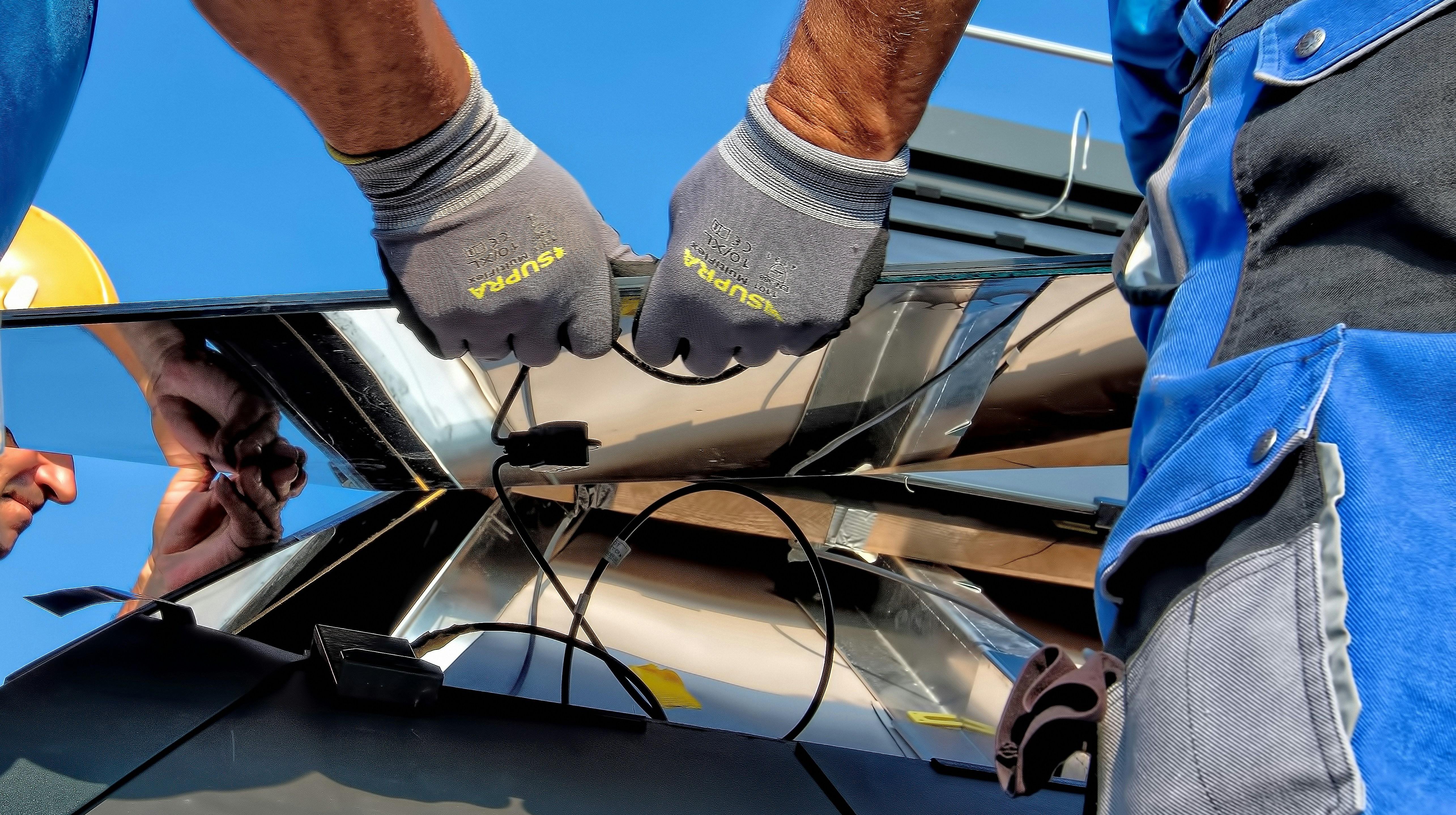
When diving into the realm of solar energy, understanding the intricacies of financing can significantly impact your project’s overall expenses. Solar financing offers a range of options, each with its unique set of benefits and considerations. Solar loans, for example, allow homeowners to borrow money to purchase a solar system, often with attractive interest rates and flexible terms. These loans can result in immediate energy savings while spreading the cost over time. On the other hand, solar leases and power purchase agreements (PPAs) involve paying a monthly fee to use a solar system installed on your property, which can lower upfront costs but may lead to higher long-term expenses.
- Solar Loans: Ownership of the system, potential for tax credits, monthly payments.
- Solar Leases: Lower initial costs, maintenance often included, fixed monthly fees.
- Power Purchase Agreements (PPAs): Pay only for the energy you use, typically no upfront cost, maintenance handled by provider.
Each option presents a different path to harnessing solar power, influenced by factors such as initial costs, monthly payments, and long-term savings. Therefore, aligning your financial goals with the right solar financing plan is crucial in maximizing your investment and minimizing costs.
Comparing Popular Solar Financing Options
When it comes to adopting solar energy, choosing the right financing plan can significantly impact your overall expenses. Each option has its own unique set of benefits and drawbacks, tailored to different financial situations and energy goals. Here are some popular solar financing options to consider:
- Solar Loans: These allow you to own your solar system outright, offering potential tax benefits and increasing your property’s value. While initial costs may be higher, monthly payments are often offset by energy savings.
- Power Purchase Agreements (PPAs): With no upfront cost, PPAs allow you to pay only for the electricity generated. However, keep in mind that the system is owned by a third party, which might limit potential financial benefits.
- Solar Leases: Similar to PPAs, solar leases require little to no upfront payment. You lease the solar panels and pay a fixed monthly rate, but ownership remains with the provider, potentially affecting your long-term savings.
- Cash Purchase: This option provides the most financial benefits over time. By purchasing the system outright, you maximize your return on investment and take full advantage of available tax credits and rebates.
Understanding these options can empower you to make informed decisions that align with both your financial situation and sustainability goals. Choose wisely to ensure that your investment in solar energy brings you the greatest benefits.
Evaluating Long-Term Savings and Hidden Costs
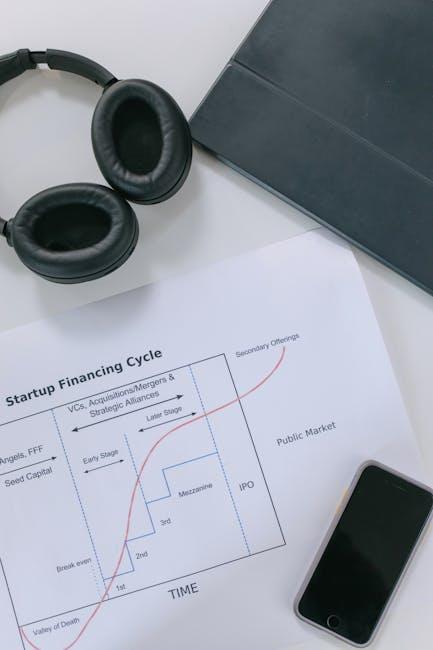
When considering solar financing plans, it’s crucial to assess both the potential for long-term savings and the hidden costs that might not be immediately apparent. While the allure of reducing electricity bills and gaining energy independence is strong, understanding the intricacies of each financing option can significantly impact your overall cost. For instance, leasing solar panels might offer lower upfront costs but could lead to higher expenses over time due to ongoing lease payments. Conversely, purchasing the system outright might require a substantial initial investment, yet it often yields the highest return in savings over the life of the system.
Key factors to evaluate include:
- Interest Rates: Low-interest loans can make purchasing more attractive, but variable rates may increase costs over time.
- Maintenance Costs: Some financing plans cover maintenance, while others leave it to the homeowner, potentially adding unexpected expenses.
- Incentives and Tax Credits: Understanding eligibility for local and federal incentives can dramatically alter the cost-effectiveness of different plans.
- Contract Terms: Be wary of long-term agreements that may include penalties for early termination or system buyouts.
Ultimately, a comprehensive evaluation of these elements can help homeowners make informed decisions, balancing immediate affordability with future financial benefits.

Expert Tips for Choosing the Right Solar Financing Plan
When navigating the world of solar financing, it’s essential to consider a few expert recommendations to ensure you’re making a smart investment. First, assess your financial situation and energy needs. This includes understanding your credit score, available cash for a down payment, and anticipated energy consumption. By doing so, you can identify the most suitable financing options, such as leases, loans, or power purchase agreements (PPAs). Each of these comes with its own set of benefits and potential drawbacks, so understanding your priorities will guide your decision-making process.
Additionally, take the time to research and compare different solar financing offers. Look for plans that offer flexibility, low-interest rates, and favorable terms. Pay close attention to the fine print, particularly concerning maintenance responsibilities, escalation clauses, and potential penalties for early repayment or contract termination. It’s also beneficial to consult with a financial advisor or solar expert to clarify any uncertainties and ensure that the plan you choose aligns with both your short-term goals and long-term financial health.
- Assess your credit score and financial capacity.
- Determine your energy consumption and needs.
- Compare leases, loans, and PPAs for the best fit.
- Read and understand all contract details thoroughly.
- Consult with professionals to guide your decision.
In Summary
navigating the world of solar financing plans can feel like traversing a sun-drenched landscape of possibilities, each path offering its unique blend of savings and investment. As the sun sets on our exploration, it’s clear that understanding the nuances of these financial options is essential to harnessing the full potential of solar energy. Whether you choose to purchase outright, lease, or opt for a power purchase agreement, each decision impacts your financial horizon differently. By aligning your choice with your long-term energy goals and financial situation, you can ensure that the journey towards sustainable energy is both economically sound and environmentally rewarding. As you stand at the crossroads of this radiant future, may the insights shared guide you towards a decision that brightens your home and your wallet alike.