











In an era where sustainability is more than just a buzzword, harnessing the sun’s energy through solar panels has become an increasingly attractive option for homeowners. Yet, as with many green initiatives, the initial investment can seem daunting. The challenge lies in striking the perfect balance between cost and quality—ensuring your solar setup is both economically viable and efficient. Welcome to a guide that illuminates the path to affordable solar installation without cutting corners. Here, we unravel strategies that empower you to make informed decisions, revealing how to bask in the benefits of solar energy without breaking the bank. Whether you’re a seasoned eco-enthusiast or a curious newcomer, this article will equip you with the insights needed to embrace solar savings smartly and sustainably.
Navigating Incentives and Rebates for Maximum Savings
Unlocking the full potential of savings on solar installation requires a strategic approach to incentives and rebates. These financial tools can significantly reduce upfront costs, making solar energy more accessible and affordable. To make the most of these opportunities, it’s essential to stay informed and act swiftly. Federal tax credits often provide a substantial percentage back on your solar investment, but they are subject to change based on policy updates. Similarly, many states offer local rebates and performance-based incentives that vary widely in availability and value. Keep an eye on these programs and act quickly, as they can be first-come, first-served.
Another avenue to explore is utility company incentives, which can offer cash back or reduced rates for solar customers. These programs may have specific requirements, such as using approved equipment or certified installers, but they can be a great way to enhance your savings. Community solar programs are also worth considering if you’re not ready for a full installation. They allow you to invest in shared solar projects and receive credits on your electricity bill. By combining these strategies, you can maximize your savings without sacrificing the quality and efficiency of your solar installation.
Choosing the Right Solar Panel Type for Your Budget
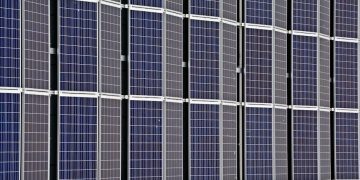
When navigating the world of solar panels, understanding the various types available is crucial to aligning with your budgetary needs while maintaining quality. Primarily, solar panels are categorized into three main types: monocrystalline, polycrystalline, and thin-film. Each type comes with its own set of advantages and cost implications. Monocrystalline panels, for instance, are known for their high efficiency and longevity, but they tend to be the most expensive. If you’re looking for a middle ground, polycrystalline panels offer a balance between cost and efficiency, making them a popular choice for budget-conscious homeowners.
On the other hand, thin-film panels provide a more affordable option with their flexibility and ease of installation, although they usually require more space due to lower efficiency. When making a decision, consider factors such as installation area, energy requirements, and climatic conditions. A savvy choice might involve combining different types to optimize both budget and performance. Ultimately, the right solar panel type will depend on your unique circumstances, so weigh these factors carefully to ensure you get the best value for your investment.
Exploring DIY Installation: Pros and Cons
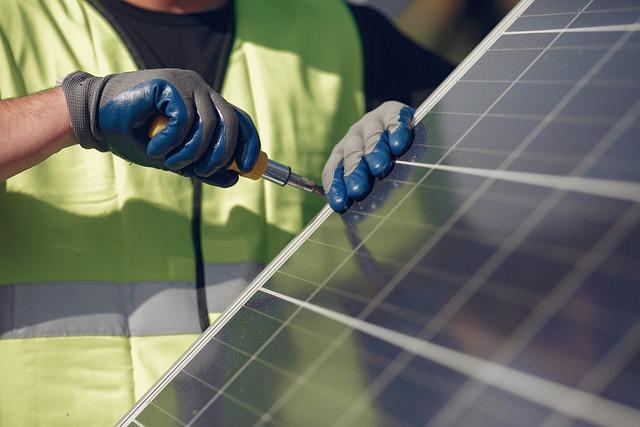
When it comes to harnessing the power of the sun, taking the DIY route for installation can be both rewarding and challenging. One of the significant advantages of a DIY solar installation is the potential cost savings. By bypassing professional installation services, homeowners can significantly reduce labor costs, making solar energy more accessible and affordable. Moreover, the sense of accomplishment and self-reliance from completing the installation yourself can be immensely satisfying.
- Cost-effective: Save on labor fees and allocate more budget to high-quality solar panels.
- Customizable: Tailor the setup to fit specific energy needs and spatial constraints.
However, there are also notable disadvantages to consider. Without the expertise of a professional, the risk of improper installation increases, which can lead to inefficiencies or even damage to the system. Additionally, navigating the permits and regulations associated with solar installations can be daunting without prior experience.
- Risk of errors: Lack of professional oversight can lead to costly mistakes.
- Complex regulations: Understanding and adhering to local codes can be challenging.
Partnering with Reputable Installers for Cost-Effective Solutions
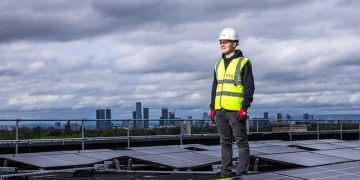
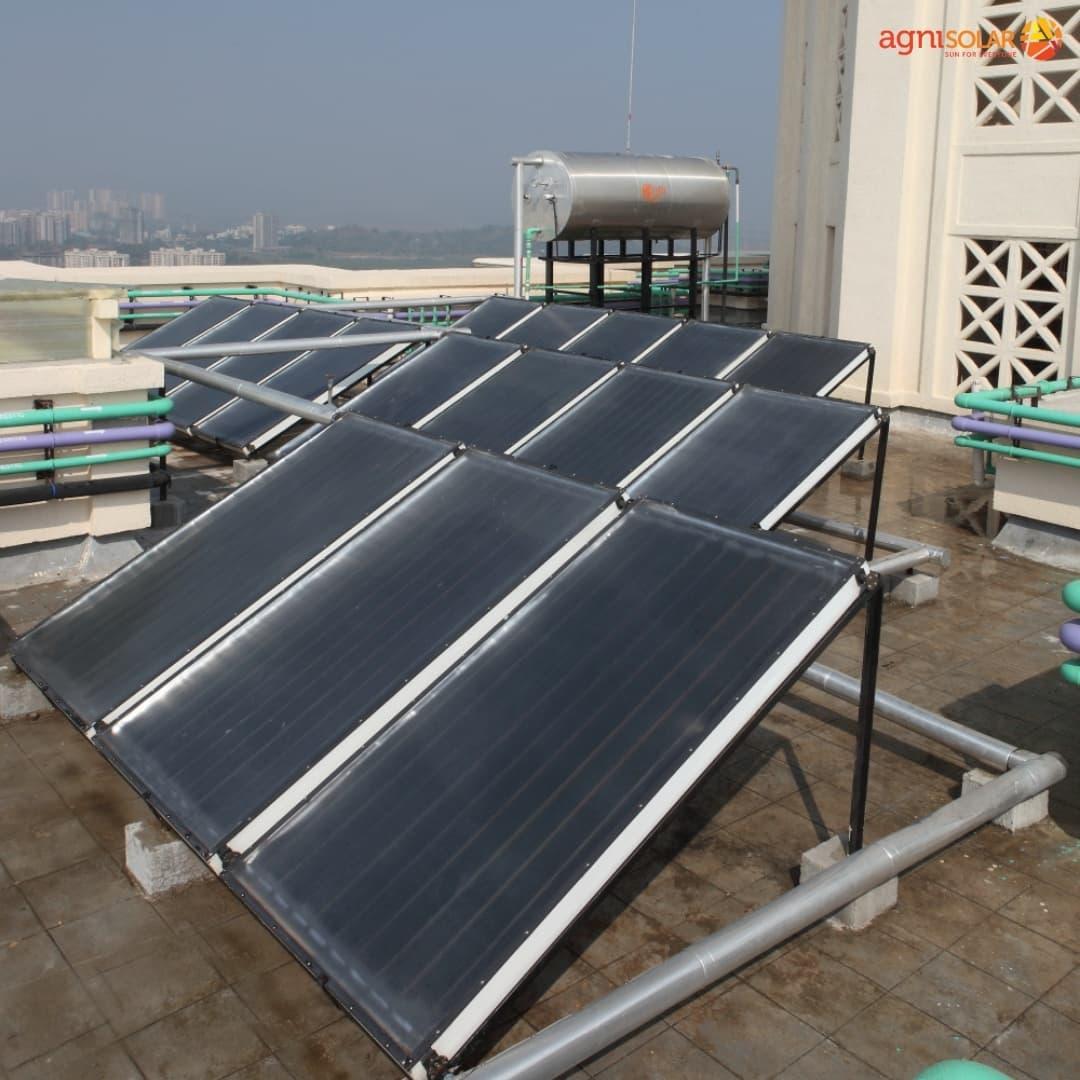
When it comes to ensuring that your solar installation is both affordable and reliable, collaborating with established installers is key. Reputable professionals offer a wealth of experience and industry knowledge, which can translate into significant savings and long-term benefits. They often have strong relationships with manufacturers, allowing them to secure better prices on materials and equipment. Furthermore, their expertise ensures that installations are performed efficiently and correctly, reducing the risk of costly errors or future repairs.
- Quality Assurance: Trusted installers follow industry best practices and standards, ensuring that your system performs optimally.
- Warranty and Support: Established companies provide robust warranties and ongoing support, offering peace of mind long after the installation is complete.
- Custom Solutions: They can tailor solutions to your specific needs, optimizing the design for maximum efficiency and cost-effectiveness.
By choosing to work with seasoned professionals, you not only invest in a cost-effective solution but also secure a partnership that prioritizes quality and sustainability.
Key Takeaways
As the sun sets on our exploration of solar savings, remember that embracing renewable energy doesn’t mean compromising on quality. By being informed, choosing wisely, and tapping into available incentives, you can craft a solar solution that aligns with both your financial and environmental goals. The path to solar success is paved with careful planning and strategic decisions, ensuring that your investment not only powers your home but also illuminates a brighter, more sustainable future. So, as you harness the power of the sun, let your commitment to quality shine just as brightly.