





In the ever-evolving dance between technology and nature, artificial intelligence (AI) emerges as an unexpected but transformative partner, breathing new life into solar energy systems. Once, the sun’s vast potential seemed just out of reach, a colossal energy source hindered by inefficiencies and unpredictable variables. Today, however, AI stands at the forefront of a renewable revolution, turning sunlight into a more reliable and optimized energy resource. Through sophisticated algorithms and predictive analytics, AI is reshaping how we harness, store, and distribute solar power, promising not just a brighter future, but a smarter one. As we delve into the symbiotic relationship between AI and solar energy, we uncover a narrative of innovation and sustainability, where technology meets the timeless power of the sun to illuminate the path forward.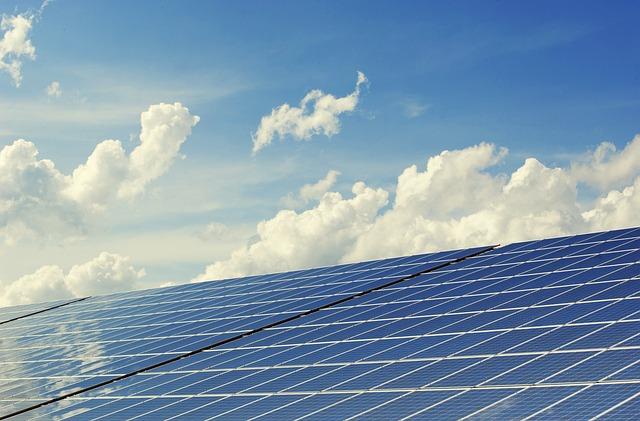
Harnessing AI for Enhanced Solar Panel Efficiency
Artificial intelligence is revolutionizing the solar energy landscape by optimizing various facets of solar panel operation and maintenance. By integrating AI algorithms, solar systems can predict weather patterns with remarkable accuracy, allowing them to adjust angles and positions to capture maximum sunlight. These smart adjustments can significantly boost the efficiency of solar panels, ensuring they generate the highest possible energy output.
AI-driven analytics can also play a pivotal role in identifying potential issues before they become critical. Predictive maintenance algorithms can analyze data from sensors embedded in the panels, pinpointing anomalies that may indicate malfunction or degradation. This proactive approach reduces downtime and maintenance costs, enhancing overall system reliability. Additionally, AI can streamline energy storage by predicting energy consumption patterns, ensuring that solar energy is used most effectively. This not only maximizes the efficiency of solar systems but also contributes to a more sustainable and resilient energy infrastructure.
- Weather pattern prediction
- Automated angle adjustments
- Predictive maintenance
- Enhanced energy storage management

Predictive Maintenance: AIs Role in Solar System Longevity
In the realm of solar energy, the integration of artificial intelligence (AI) into predictive maintenance is revolutionizing the longevity of solar systems. AI algorithms can process vast amounts of data from solar panels, identifying potential issues before they escalate into costly failures. This proactive approach not only enhances the operational efficiency but also extends the lifespan of solar installations. By leveraging machine learning models, systems can predict wear and tear, ensuring timely interventions and reducing downtime. This results in a more reliable energy supply, crucial for meeting the growing global energy demands.
- Enhanced Efficiency: AI-driven diagnostics streamline maintenance processes, optimizing energy production.
- Cost Reduction: Early detection of faults reduces repair costs and extends the service life of solar components.
- Sustainability: By minimizing waste and maximizing performance, AI contributes to more sustainable solar energy solutions.
Through the intelligent application of AI, solar energy systems can achieve unprecedented levels of reliability and performance, paving the way for a sustainable energy future.
Optimizing Energy Storage with Intelligent Algorithms
In the quest for more efficient solar energy systems, artificial intelligence (AI) plays a crucial role in transforming how we store and manage energy. AI-driven algorithms are enhancing the ability to predict and respond to energy demand fluctuations, thus optimizing the performance of solar energy storage. By analyzing historical data and real-time information, these algorithms can predict energy production and consumption patterns with remarkable accuracy. This ensures that energy is stored when it’s abundant and utilized efficiently during peak demand times, minimizing waste and maximizing resource utilization.
Key benefits of employing intelligent algorithms in solar energy systems include:
- Improved efficiency: AI can adjust storage operations to reduce energy losses, ensuring more power is available when needed.
- Cost savings: By optimizing energy use, systems can reduce operational costs and extend the lifespan of storage equipment.
- Enhanced reliability: Predictive maintenance and fault detection capabilities ensure that systems run smoothly, reducing downtime and enhancing energy reliability.
- Scalability: AI solutions can be tailored to both small-scale residential systems and large-scale commercial solar farms, offering flexibility and adaptability.

AI-Driven Forecasting: Revolutionizing Solar Energy Management
Artificial intelligence is transforming the way solar energy systems are managed, enhancing efficiency and reliability. By integrating AI, solar energy management can predict and optimize energy production and consumption patterns with remarkable accuracy. This results in improved resource allocation, reduced energy waste, and maximized output. Machine learning algorithms analyze vast amounts of data, including weather forecasts and historical performance metrics, to provide actionable insights and real-time adjustments. These insights help in anticipating maintenance needs, minimizing downtime, and prolonging the lifespan of solar panels.
- Enhanced Energy Forecasting: AI can predict solar energy generation with high precision, allowing for better grid integration.
- Cost Efficiency: By optimizing energy storage and usage, AI reduces operational costs and increases return on investment.
- Scalability: AI-driven systems can easily adapt to larger solar farms or integrate with other renewable energy sources.
- Real-Time Monitoring: Continuous monitoring ensures immediate detection of inefficiencies or malfunctions.
In Summary
As the sun sets on our exploration of how artificial intelligence is revolutionizing solar energy systems, it becomes clear that we’re standing at the dawn of a new era. This synergy between AI and solar technology is more than just a meeting of minds and machines; it’s a promising pathway to a sustainable future. By enhancing efficiency, optimizing performance, and forecasting potential challenges, AI is illuminating the way forward for solar energy. As we continue to harness this powerful combination, the horizon looks brighter than ever, promising not just a cleaner planet, but a smarter one too. As we turn the page on this chapter of innovation, one thing is certain: the future of solar energy is shining, and AI is its guiding light.