














In a world increasingly defined by its pursuit of sustainability, the sun—our most abundant and renewable resource—has taken center stage in revolutionizing industries across the globe. Among these, the logistics and warehousing sector is witnessing a transformative shift, as solar-powered warehouses emerge as the vanguard of eco-friendly innovation. This trend, a confluence of technological advancement and environmental necessity, is reshaping how businesses operate, promising not only to reduce carbon footprints but also to enhance operational efficiency. In this article, we delve into the latest trends shaping solar-powered warehouses, exploring how these luminous beacons of progress are setting new standards in the quest for a greener future.
Harnessing the Sun: Innovative Solar Technologies Transforming Warehousing
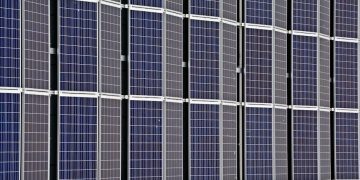
As solar technology continues to advance, warehouses are increasingly turning to innovative solutions that not only cut energy costs but also reduce their carbon footprint. Solar panels are being integrated into the very fabric of warehouse design, with solar shingles and transparent solar windows leading the charge. These technologies not only maximize space utilization but also provide a sleek, modern aesthetic. Warehouses are leveraging these solutions to harness sunlight more efficiently, turning once-unused surfaces into energy-generating assets.
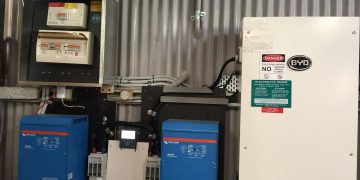
In addition to these architectural innovations, smart energy management systems are revolutionizing how warehouses utilize solar power. These systems allow for real-time monitoring and optimization of energy usage, ensuring that the power generated is used efficiently throughout the facility. Key trends include:
- Battery storage systems that store excess solar energy for use during peak demand or cloudy days.
- AI-driven analytics to predict energy needs and optimize energy consumption patterns.
- Grid-tied systems that allow warehouses to sell surplus energy back to the grid, creating a potential revenue stream.
These advancements not only highlight the environmental benefits of solar-powered warehouses but also underscore the financial incentives, making them an increasingly attractive option for businesses looking to future-proof their operations.
Designing the Future: Architectural Trends in Solar-Powered Warehouse Construction
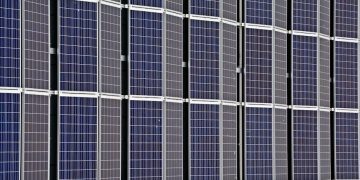
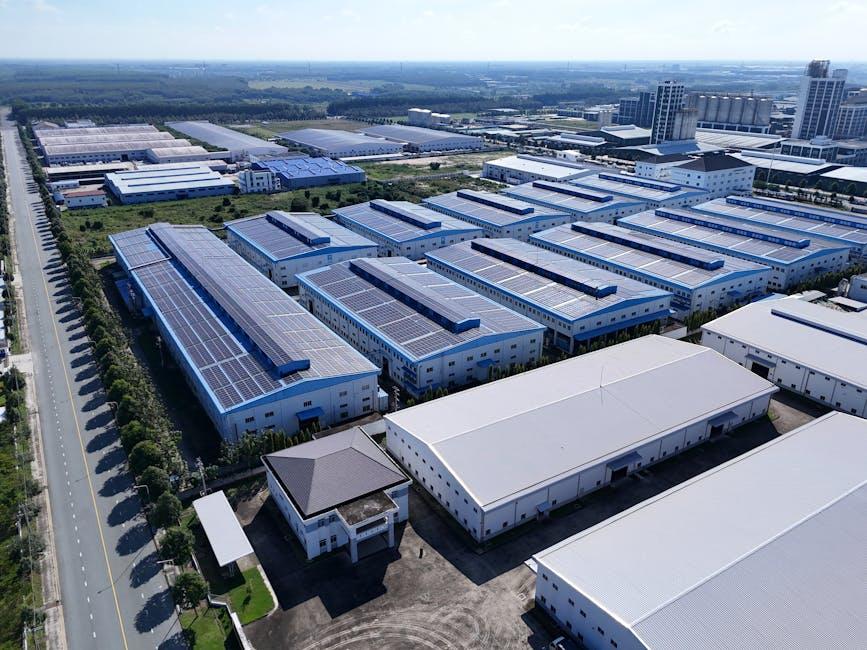
In the realm of modern architecture, solar-powered warehouses are emerging as beacons of sustainable innovation. Adaptive reuse is a significant trend, where existing structures are retrofitted with solar panels and energy-efficient systems, transforming them into eco-friendly powerhouses. This not only minimizes the carbon footprint but also reduces operational costs. The use of bifacial solar panels is gaining traction, capturing sunlight on both sides to maximize energy generation. These panels are often integrated into the building’s design, serving dual purposes as roofing materials or facades, thereby optimizing space and functionality.
Another innovative approach is the integration of smart technology, which allows for real-time monitoring and optimization of energy usage. Warehouse designs now often include features like energy storage systems, ensuring a continuous power supply even during peak demand. Moreover, modular construction techniques are being employed, which not only speed up the building process but also allow for scalable solar installations. By combining these cutting-edge methods, architects are setting a new standard for efficiency and sustainability in industrial spaces.
Sustainable Solutions: Maximizing Energy Efficiency and Cost Savings
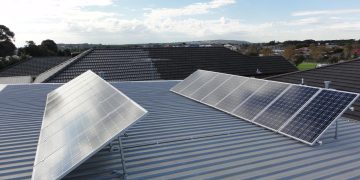
In the evolving landscape of logistics and storage, the integration of solar power into warehouse infrastructure is emerging as a revolutionary trend. This innovative approach not only supports environmental sustainability but also enhances energy efficiency and cost savings. By leveraging the expansive rooftops of warehouses for solar panel installations, businesses are harnessing a consistent and renewable energy source. This transition helps in significantly reducing electricity expenses, with some warehouses achieving up to 70% reduction in energy costs. Moreover, companies can benefit from tax incentives and government subsidies designed to encourage renewable energy adoption.
- Reduced Carbon Footprint: Solar-powered warehouses contribute to lowering greenhouse gas emissions.
- Energy Independence: With solar panels, warehouses can become less reliant on the grid, ensuring stable energy supply even during peak demand.
- Long-term Savings: While the initial investment might be significant, the return on investment is substantial, leading to long-term financial benefits.
- Brand Image Enhancement: Companies adopting green energy solutions often experience improved public perception and brand loyalty.

Navigating the Transition: Practical Steps for Implementing Solar Systems in Warehouses
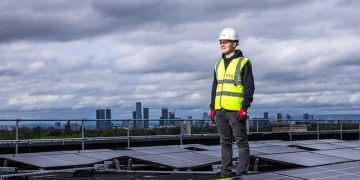
Transitioning to solar power in warehouses is a significant step towards sustainability, and implementing these systems requires a strategic approach. Planning is the first and most crucial step. Conduct a comprehensive assessment of the warehouse’s energy needs and roof space. This evaluation helps in determining the scale of the solar installation required. Engage with professional solar consultants to get accurate feasibility studies and system design proposals. This not only ensures efficiency but also aligns with the warehouse’s operational goals.
Implementation involves several practical steps that can streamline the process. Key considerations include:
- Selecting Reliable Contractors: Choose experienced solar installation companies with a proven track record.
- Financing Options: Explore different financing models such as leasing, power purchase agreements, or direct purchase to find the most cost-effective solution.
- Permitting and Regulations: Ensure compliance with local regulations and obtain necessary permits in advance to avoid delays.
- Maintenance Planning: Set up a maintenance schedule to keep the solar system running efficiently and extend its lifespan.
By following these steps, warehouses can seamlessly integrate solar power, reducing operational costs and contributing to a greener future.
The Conclusion
As the sun sets on our exploration of solar-powered warehouses, it becomes clear that the dawn of a new era in sustainable logistics is upon us. The intersection of innovation and environmental stewardship is reshaping the landscapes of industry, offering not just a glimpse of what is possible, but a roadmap to a brighter, more sustainable future. As we continue to harness the sun’s boundless energy, these warehouses stand as beacons of progress, illuminating the path towards reduced carbon footprints and enhanced operational efficiency. In the ever-evolving dance between technology and nature, solar-powered warehouses remind us that with each sunrise, new possibilities emerge. Let us watch closely as these trends unfold, driving us toward a future where sustainability and profitability walk hand in hand, powered by the inexhaustible energy of the sun.