







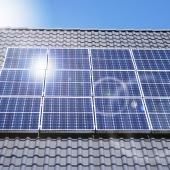



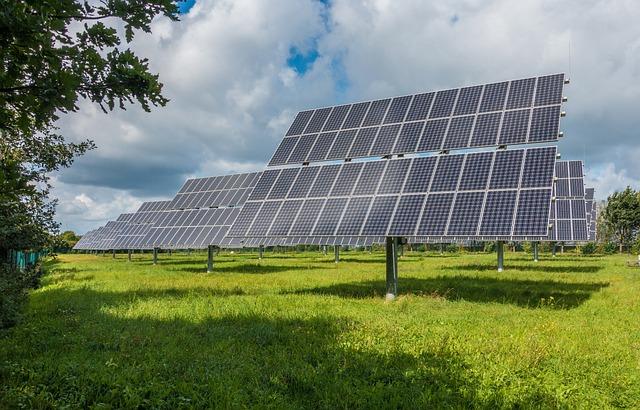
As the sun rises each day, so too does the promise of solar energy—a clean, renewable power source that can illuminate our homes and lighten our carbon footprint. Yet, for many homeowners, the path to harnessing this abundant energy is clouded by the daunting shadow of upfront costs. The initial investment in solar panels and installation can seem like a formidable barrier, preventing eager adopters from stepping into the light of sustainable living. However, just as every cloud has a silver lining, there are numerous strategies available to help mitigate these initial expenses. In this article, we will explore the most effective ways to reduce the upfront costs of residential solar, empowering you to take a step closer to a greener future without breaking the bank. From government incentives and financing options to innovative leasing models, discover how you can transform the dream of solar power into a practical, affordable reality.
Exploring Government Incentives and Tax Credits
Harnessing the power of the sun for your home can be a substantial investment, but numerous government incentives and tax credits are available to ease the financial burden. Homeowners can explore various opportunities to offset the initial costs of installing solar panels. Here are some key incentives to consider:
- Federal Investment Tax Credit (ITC): This credit allows you to deduct a significant percentage of your solar system costs from your federal taxes, making it one of the most powerful financial incentives available.
- State-Specific Programs: Many states offer their own incentives, ranging from additional tax credits to rebates. Research your state’s offerings to maximize your savings.
- Local Utility Rebates: Some utility companies provide rebates for solar panel installations, which can further reduce your upfront costs. Check with your local provider for available programs.
Taking advantage of these incentives not only reduces the financial strain but also accelerates the return on investment for your solar project. Stay informed about the changing landscape of these benefits to ensure you’re getting the most out of your solar journey.
Choosing Cost-Effective Solar Equipment and Installers
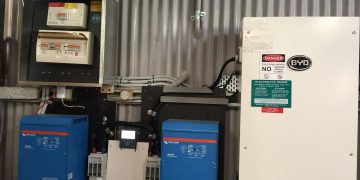
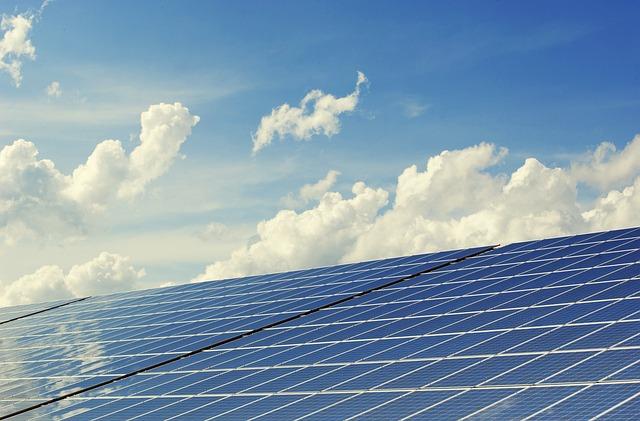
When it comes to minimizing the initial investment for solar power, making informed decisions about your equipment and installer is crucial. Start by comparing different types of solar panels and inverters. Monocrystalline panels are known for their efficiency but can be pricier, while polycrystalline panels offer a balance between cost and performance. Don’t overlook thin-film panels if you have ample roof space, as they are often the most budget-friendly option. Inverters, too, come in various forms: string inverters are less expensive but may not be as efficient as microinverters, which optimize each panel individually. Opt for equipment that meets your energy needs without breaking the bank.
Choosing the right installer can also significantly affect your costs. Look for installers who offer competitive pricing and are willing to work with your budget. Check for certifications and reviews to ensure quality without overspending. Some companies might offer bulk purchasing discounts or have partnerships with manufacturers that can lower equipment costs. Additionally, inquire about financing options or lease agreements that can spread the initial costs over time. Remember, the cheapest quote isn’t always the best; focus on value for money and the long-term savings you’ll achieve by selecting the right combination of equipment and installer.

Maximizing Savings with Solar Financing Options
Exploring various solar financing options can be a game-changer for those looking to reduce the initial costs of residential solar installations. One popular method is solar leases, where homeowners pay a fixed monthly fee to use the solar energy system without owning it outright. This can be particularly attractive for those who prefer a low upfront cost. Another option is Power Purchase Agreements (PPAs), where you agree to buy the electricity generated by the system at a set rate, usually lower than the local utility rates. Both options allow homeowners to benefit from solar energy without the hefty initial investment.
For those interested in ownership, solar loans can be a viable alternative. These loans are specifically designed for solar installations and often come with competitive interest rates and flexible terms. By choosing a solar loan, homeowners can take advantage of federal tax credits and other incentives, potentially saving more in the long run. Additionally, many local governments and utilities offer rebates and incentives that can further reduce the cost of solar panel systems. These programs vary widely, so it’s worth researching what’s available in your area to maximize savings.

Leveraging Community Solar Programs for Affordable Access
Community solar programs present an innovative pathway for households seeking cost-effective solar solutions. These programs allow multiple residents to share the benefits of a single solar array, usually installed offsite, thus bypassing the need for individual solar panel installations. This shared approach can significantly reduce the initial financial outlay associated with going solar, making it an attractive option for those unable to invest in personal solar systems.
Participation in these programs often involves subscribing to a portion of the solar array’s energy output, leading to reduced electricity bills without the hefty price tag of installation. Advantages of community solar programs include:
- No maintenance costs: Subscribers avoid the ongoing costs typically associated with maintaining personal solar equipment.
- Flexibility: Ideal for renters or homeowners with unsuitable roofs, as it doesn’t require any property modifications.
- Scalability: Easily adjustable to fit varying energy needs and budgets.
By opting for community solar, individuals can enjoy the environmental and economic benefits of solar energy without the financial burden of upfront investments.
In Retrospect
In the pursuit of harnessing the sun’s abundant energy, reducing the upfront costs of residential solar systems can transform aspirations into reality. By navigating the myriad options from government incentives to innovative financing solutions, homeowners can unlock the potential of solar power without the burden of hefty initial investments. As you stand on the cusp of this sustainable journey, remember that each strategic decision brings you closer to a greener future, one where economic savings and environmental stewardship go hand in hand. Embrace the possibilities, illuminate your path with solar solutions, and let the sun power not just your home, but a brighter tomorrow.