






In an era where the quest for sustainable energy solutions is more pressing than ever, hybrid solar systems emerge as a beacon of innovation, marrying the strengths of traditional solar technology with cutting-edge advancements. These systems are not just about capturing sunlight; they are about optimizing energy usage, seamlessly integrating with existing power grids, and adapting to fluctuating energy demands. Imagine a world where the sun’s rays are harnessed not only to illuminate our homes but also to empower our energy infrastructure with unprecedented efficiency. As we stand at the crossroads of technology and sustainability, hybrid solar systems offer a glimpse into a future where energy optimization is not just a goal, but a reality within reach. This article delves into the intricacies of hybrid solar systems, exploring their potential to revolutionize how we think about and use energy in our daily lives.
Maximizing Efficiency with Hybrid Solar Systems
Incorporating hybrid solar systems into your energy strategy can significantly enhance your operational efficiency by blending the best of both worlds—solar power and traditional energy sources. These systems are designed to intelligently switch between solar and grid power, ensuring a continuous and reliable energy supply. By doing so, they offer a range of benefits:
- Reduced Energy Costs: By utilizing solar energy during peak sunlight hours, you can minimize your reliance on more expensive grid electricity.
- Energy Independence: Hybrid systems provide a greater degree of autonomy, allowing you to generate and store your own energy for use during outages or at night.
- Environmental Impact: By decreasing dependency on fossil fuels, hybrid systems contribute to a reduction in carbon emissions.
Moreover, advancements in technology have made it easier than ever to monitor and optimize energy consumption through integrated smart systems. These innovations allow for real-time data analysis and automatic adjustments, ensuring that energy is used as efficiently as possible.
Innovative Technologies Driving Energy Optimization
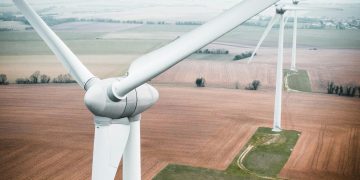
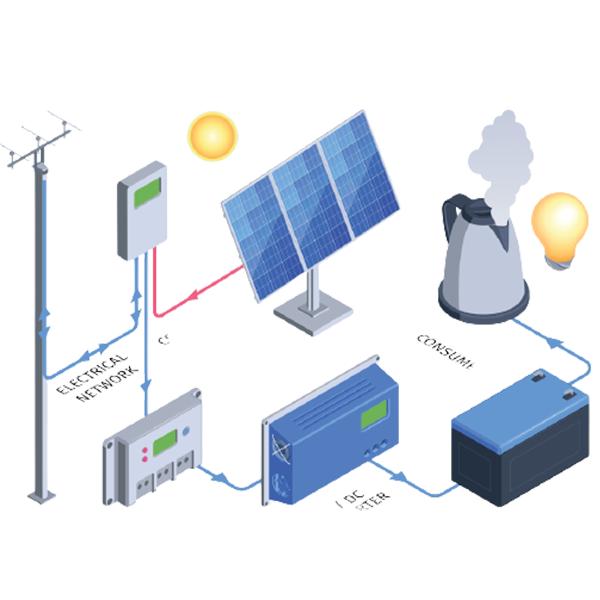
In the realm of sustainable energy solutions, hybrid solar systems stand out as a beacon of efficiency and innovation. These systems ingeniously combine the strengths of solar photovoltaic (PV) panels with other energy sources such as wind turbines or battery storage, creating a synergistic blend that optimizes energy production and consumption. By leveraging the strengths of multiple energy technologies, hybrid solar systems ensure a more consistent and reliable power supply, minimizing the dependency on the grid. This not only reduces energy costs but also enhances energy security and resilience against fluctuations in energy demand and supply.
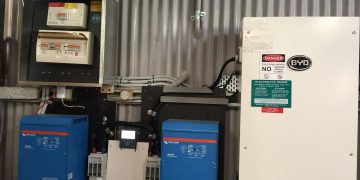
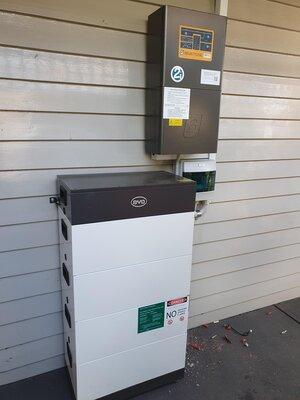
- Energy Storage Integration: By incorporating advanced battery systems, hybrid solar solutions can store excess energy generated during peak sunlight hours, which can then be used during periods of low solar generation or at night.
- Smart Energy Management: Equipped with cutting-edge software, these systems can intelligently manage energy flow, prioritizing renewable energy usage while optimizing the grid connection.
- Scalability: Hybrid systems are adaptable and can be tailored to fit both residential and commercial needs, making them a versatile choice for a variety of applications.
As the quest for energy efficiency and sustainability intensifies, hybrid solar systems are poised to play a pivotal role in shaping a cleaner, more resilient energy future.
Tailored Solutions for Diverse Energy Needs
Hybrid solar systems offer a seamless integration of solar energy with other power sources, providing a customizable approach to energy management. By harnessing the power of both solar panels and backup sources like batteries or the grid, these systems are designed to maximize energy efficiency and reliability. This flexibility ensures that energy needs are met even when sunlight is scarce, making them ideal for a variety of settings—from residential homes to large-scale commercial enterprises.
- Cost Efficiency: Reduce electricity bills by optimizing the use of solar energy and minimizing reliance on the grid.
- Energy Independence: Gain greater control over your energy usage and reduce vulnerability to power outages.
- Environmental Impact: Lower carbon footprint by integrating renewable energy sources into your energy mix.
- Scalability: Easily expand your system as energy demands grow, without significant infrastructure changes.
With hybrid solar systems, users can enjoy a harmonious balance of sustainability and practicality, making it a forward-thinking choice for those looking to optimize their energy consumption effectively.

Strategic Recommendations for Sustainable Integration
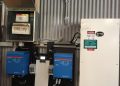
To effectively leverage , it is essential to adopt a strategic approach that ensures both environmental and economic sustainability. Start by conducting a comprehensive energy audit to identify the unique demands and consumption patterns of your facility. This data-driven insight will guide the integration process, ensuring that the solar components complement existing energy systems efficiently. Additionally, invest in high-quality inverters and battery storage solutions that can manage fluctuations in energy supply and demand seamlessly.
Consider implementing the following strategies for a sustainable integration:
- Modular Expansion: Design your hybrid system with scalability in mind, allowing for future upgrades as technology advances and energy needs evolve.
- Smart Energy Management Systems: Utilize advanced software solutions to monitor and optimize energy usage in real-time, reducing waste and maximizing output.
- Regular Maintenance and Monitoring: Establish a routine maintenance schedule to ensure optimal performance and longevity of your solar systems.
- Community and Stakeholder Engagement: Foster relationships with local stakeholders and communities to gain support and encourage broader adoption of sustainable practices.
By integrating these strategic recommendations, organizations can not only optimize their energy consumption but also contribute to a more sustainable and resilient energy future.
The Conclusion
In the evolving tapestry of our energy landscape, hybrid solar systems emerge as a beacon of innovation and efficiency. These systems, weaving together the strengths of various energy sources, present a harmonious solution to the age-old challenge of power optimization. As we stand on the brink of a new era in sustainable energy, the potential of hybrid solar systems invites us to rethink and reimagine how we harness the sun’s abundant gifts. While challenges remain, the path forward is illuminated by the promise of a more resilient and adaptable energy future. As we continue to explore and innovate, hybrid solar systems remind us that the key to unlocking tomorrow’s energy potential lies in the synergy of today’s technologies. In embracing this hybrid future, we are not only optimizing energy but also setting the stage for a brighter, more sustainable world.