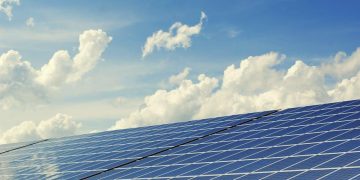

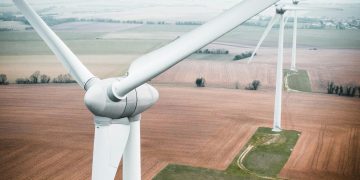



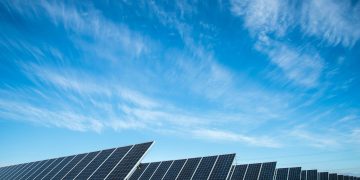
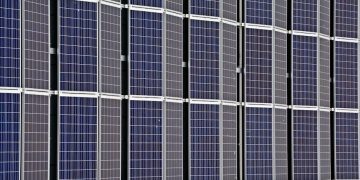
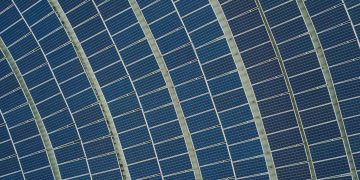

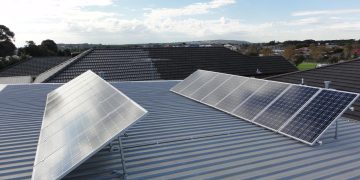



In a world where the sun’s rays promise a future untethered from fossil fuels, the question of who benefits most from solar energy casts a long shadow. As gleaming panels dot rooftops and fields, a new dynamic unfolds between urban landscapes and rural expanses. “?” invites readers to explore the intricate dance of technology, geography, and policy. This article navigates the complexities of solar energy distribution, unraveling whether the bustling metropolis or the tranquil countryside stands to gain more from the sun’s benevolent glow. Through a balanced lens, we delve into the opportunities and challenges faced by both realms, illuminating a path towards an equitable energy future.
City Skylines or Country Roads Exploring Solar Powers Urban Advantage
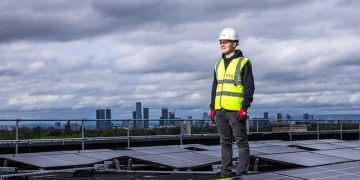
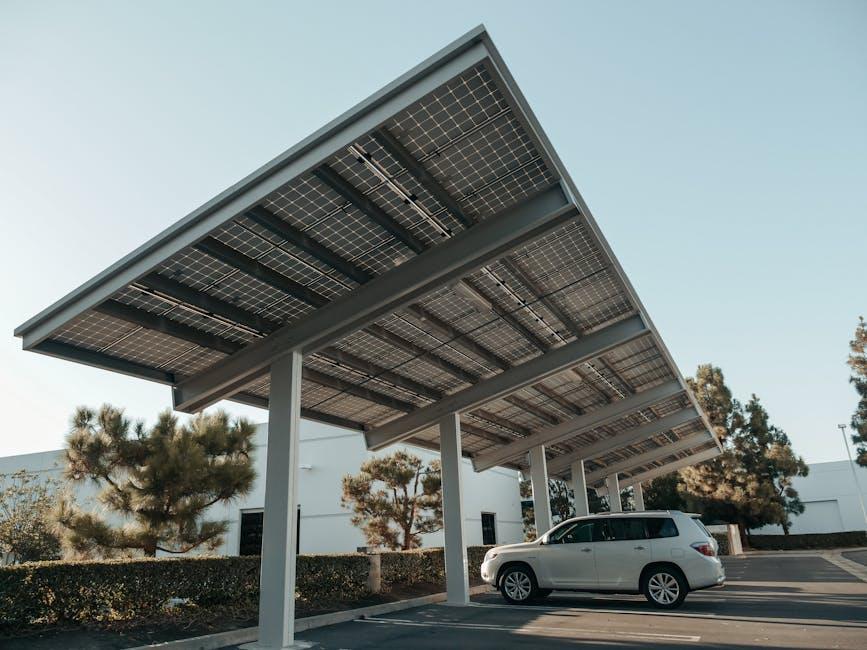
In the hustle and bustle of urban landscapes, solar power emerges as a beacon of sustainability. Cities, with their high-rise buildings and vast rooftops, provide a plethora of opportunities for harnessing solar energy. The urban advantage lies in the efficient use of space and resources, allowing solar panels to adorn rooftops, balconies, and even walls. Urban areas often benefit from better infrastructure for solar technology, including easier access to maintenance services and a higher density of energy consumers, which can lead to more attractive incentives and faster adoption rates.
- High-density living spaces allow for collective solar installations.
- Proximity to technological innovations facilitates quicker upgrades.
- Government policies often prioritize urban solar projects due to higher visibility.
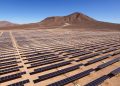
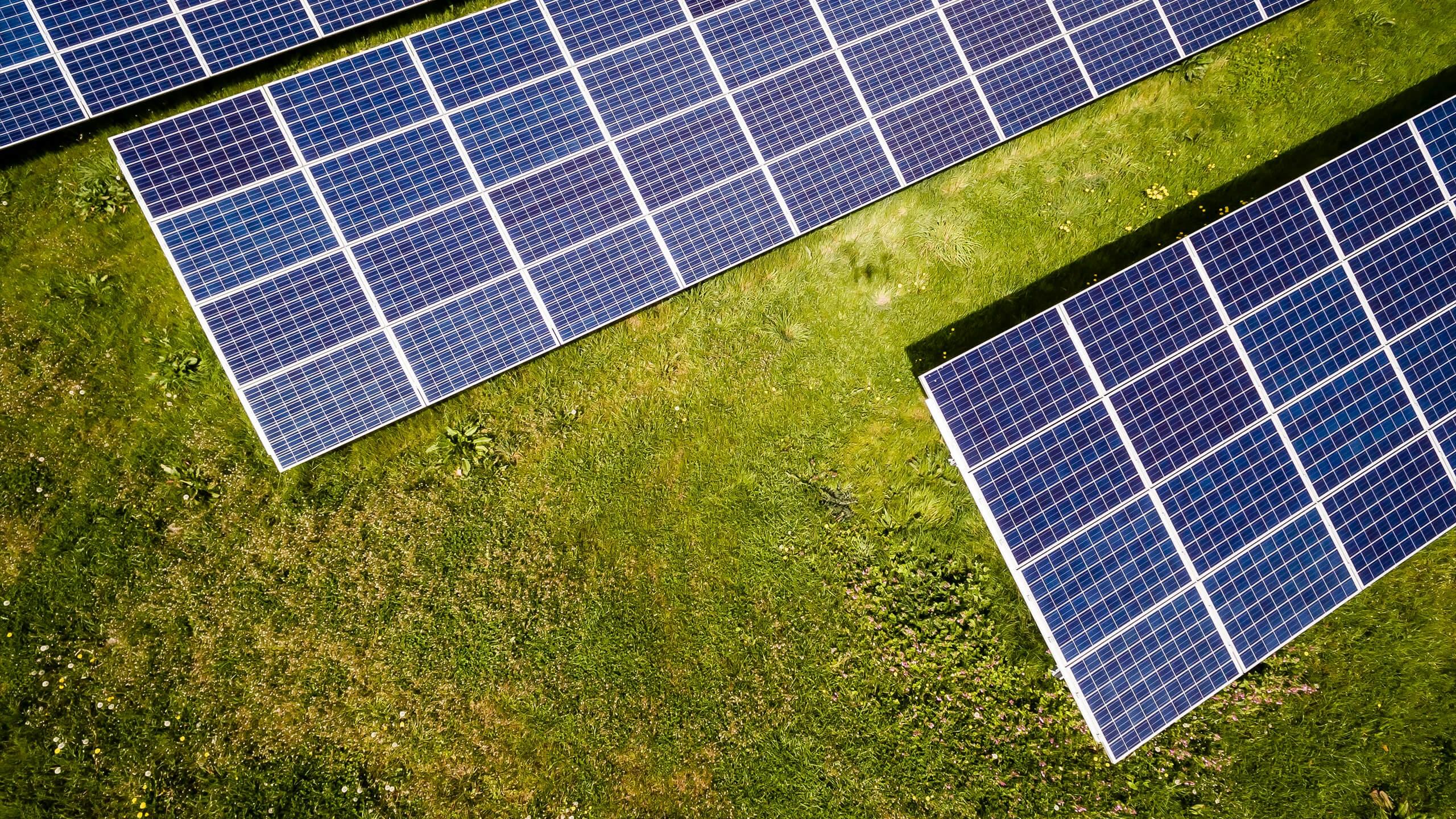
However, it’s essential to consider that rural areas have their own set of advantages when it comes to solar power. Expansive lands provide ample space for solar farms, and less pollution means more sunlight can reach the panels. The debate over whether solar power favors urban areas or rural communities is complex, as each setting offers unique opportunities and challenges. As cities continue to grow and evolve, the push towards integrating more renewable energy sources, like solar, remains a critical component of creating sustainable urban environments.
Sunshine in Suburbia Bridging the Solar Gap in Rural Communities
As solar energy becomes increasingly popular, it’s easy to assume that its benefits are universally accessible. However, a closer examination reveals that urban areas often have a distinct advantage over rural communities. Solar panels, for instance, are more likely to be installed in cities due to higher population density, which leads to greater demand and more incentives for solar developers. Urban environments also benefit from better infrastructure and more substantial financial resources, allowing for quicker adoption and integration of solar technologies.
- Access to funding: Urban areas tend to have more available grants and financial incentives for solar projects.
- Infrastructure support: City environments often have more advanced grid systems, making it easier to incorporate solar energy.
- Awareness and advocacy: Urban populations might have better access to information and advocacy groups that promote renewable energy adoption.
Rural areas, on the other hand, face unique challenges. They may struggle with limited access to financing, fewer local installers, and a lack of awareness about the benefits and opportunities of solar power. However, innovative programs are beginning to emerge that aim to bridge this gap. Community solar initiatives, for instance, allow multiple households to share the benefits of a single solar installation, effectively democratizing access to solar energy for those living outside metropolitan areas.
Harnessing Solar Energy Uncovering the Urban-Rural Divide
In the quest to leverage the power of the sun, the landscape of solar energy adoption reveals a fascinating urban-rural divide. While urban areas often benefit from technological advancements and infrastructure development, rural communities face unique challenges. Urban settings are often more attractive for solar investments due to higher population densities, existing grid infrastructure, and financial incentives. These areas typically enjoy:
- Greater access to subsidies and financial incentives.
- Proximity to service providers and maintenance teams.
- Advanced grid systems capable of handling variable solar inputs.
In contrast, rural communities frequently encounter obstacles such as limited grid connectivity and fewer financial resources. However, they possess vast expanses of land ideal for solar farms, which can transform the energy landscape if adequately supported. The disparity stems not from a lack of potential but from systemic barriers that require strategic policy intervention and innovation to bridge. Understanding this divide is crucial for equitable solar adoption and ensuring that both urban and rural areas can harness the sun’s potential effectively.
Bright Ideas for All Inclusive Solar Solutions for Every Community
The perception that solar energy is predominantly suited for urban areas is a misconception that requires dismantling. While urban centers might have the infrastructure and investment to support large-scale solar installations, rural communities possess unique advantages that can be harnessed for effective solar solutions. Abundant space is one of the key assets in rural areas, allowing for the deployment of expansive solar farms without the spatial constraints found in cities. Furthermore, rural locales often enjoy fewer obstacles in terms of zoning regulations, providing a smoother pathway for solar projects.
To bridge the gap between urban and rural solar accessibility, it’s crucial to focus on inclusive strategies that cater to diverse community needs. Here are some innovative approaches:
- Community solar projects that allow individuals and businesses to purchase shares in solar farms, spreading the benefits across wider populations.
- Off-grid solar systems tailored for remote areas, reducing reliance on centralized power and fostering energy independence.
- Subsidies and incentives specifically aimed at encouraging solar adoption in rural settings, balancing the scales of solar energy distribution.
Emphasizing these tailored solutions can ensure that the transition to solar power is equitable and inclusive, fostering a sustainable future for all communities, irrespective of their geographic location.
Final Thoughts
As the sun sets on our exploration of solar energy’s impact across diverse landscapes, it becomes evident that the debate is far from black and white. Urban areas, with their rooftops ready to embrace photovoltaic panels, offer a promising canvas for solar innovation, yet they are not without their challenges. Meanwhile, rural communities, often perceived as underdogs in this energy race, possess unique opportunities to harness the sun’s power in expansive and innovative ways.
The journey toward a solar-powered future invites us to rethink conventional boundaries and foster collaborations that transcend urban-rural divides. By embracing both the sprawling cityscapes and the wide-open countryside, we can illuminate a path forward that is as inclusive as it is sustainable. Ultimately, the sun shines on all of us, and in its light, there lies a shared potential to craft an energy future that benefits every corner of our diverse world.