












In the sprawling tapestry of urban landscapes, where skyscrapers stretch towards the heavens and streets hum with ceaseless activity, a quiet revolution is unfolding. As cities grapple with the pressing demands of energy consumption and environmental sustainability, solar power emerges as a beacon of innovation. From rooftops adorned with sleek photovoltaic panels to windows that capture the sun’s rays, urban areas are harnessing the potential of solar energy in ingenious ways. This article delves into the transformative innovations that are redefining how cities generate and utilize solar power, illuminating a path towards a more sustainable and resilient urban future. Join us as we explore the cutting-edge technologies and creative solutions that are turning the urban jungle into a solar-powered oasis.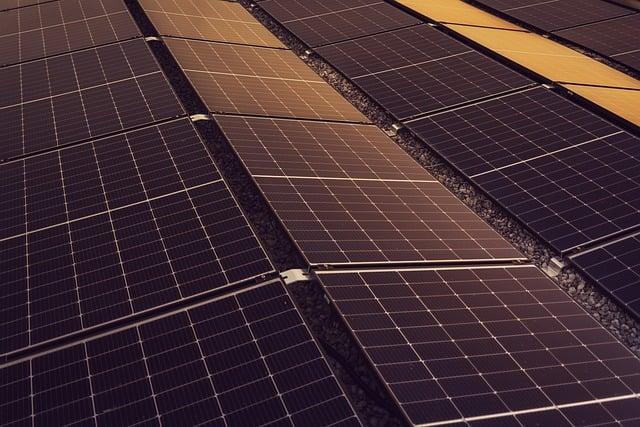
Harnessing Rooftop Real Estate for Solar Advancements
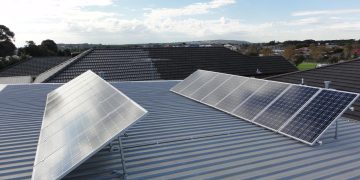
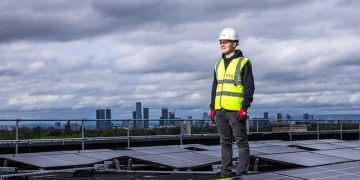
Urban areas are bustling with activity, innovation, and untapped potential—especially when it comes to renewable energy. The rooftops of city buildings represent a vast, underutilized resource that can be transformed into powerful hubs of solar energy. By leveraging this rooftop real estate, cities can significantly reduce their carbon footprint while increasing energy independence. The potential benefits are manifold:
- Increased Energy Efficiency: Rooftop solar panels can help reduce electricity costs and provide clean energy directly to urban dwellers.
- Reduced Urban Heat: Solar panels can act as insulators, helping to lower the heat absorbed by buildings and thereby reducing urban heat islands.
- Improved Air Quality: By decreasing reliance on fossil fuels, cities can enjoy cleaner air and a healthier environment.
- Community Engagement: Local governments and organizations can involve communities in solar projects, promoting sustainability and awareness.
Through innovative designs and collaborative efforts, cities are beginning to unlock the potential of rooftops, turning them into sustainable powerhouses. This not only supports urban resilience but also paves the way for a cleaner, greener future.
Innovative Technologies Shaping Urban Solar Landscapes
As urban areas become increasingly congested and vertical, harnessing solar energy has transformed from traditional rooftop panels to pioneering technologies that maximize efficiency and aesthetic appeal. Urban landscapes are now being adorned with solar windows, which integrate photovoltaic cells directly into the glass of buildings. This innovation not only generates power but also maintains transparency, allowing for natural light to permeate interior spaces.
Beyond windows, cities are seeing a surge in the deployment of solar canopies and carports. These structures provide dual benefits: shading and energy generation, turning parking lots and pedestrian pathways into sustainable energy hubs. Moreover, solar skins have emerged, offering customizable and visually appealing solutions that blend seamlessly with the architectural design of buildings. By integrating these technologies, urban environments are not just reducing their carbon footprint but are also embracing a future where aesthetic and sustainability coexist harmoniously.
Integrating Solar Solutions into City Infrastructure
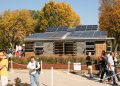
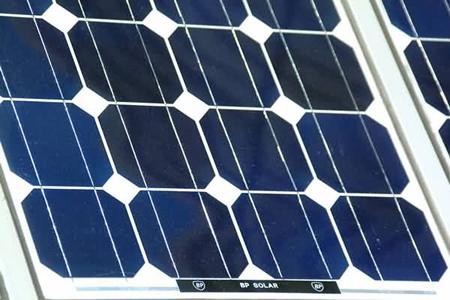
In the evolving landscape of urban development, the integration of solar solutions into city infrastructure has become a beacon of innovation. Urban planners and architects are increasingly incorporating solar technologies to enhance sustainability and energy efficiency. Rooftop solar panels are now a common sight on residential and commercial buildings, turning otherwise unused spaces into energy-generating assets. These panels not only reduce electricity costs but also decrease the urban heat island effect, contributing to a cooler city environment.
- Solar Street Lighting: Cities are adopting solar-powered street lights that operate independently of the grid, ensuring reliable illumination while reducing energy consumption.
- Solar Parking Canopies: These structures provide shade for vehicles and simultaneously generate clean energy, offering dual functionality that appeals to urban developers.
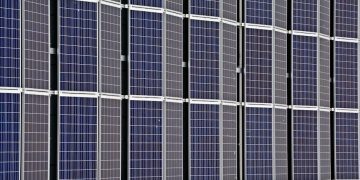
- Solar Facades: Innovative designs now incorporate photovoltaic materials into building exteriors, allowing skyscrapers to harness solar power without altering their aesthetic appeal.
As cities continue to grow, the seamless integration of solar technologies into their infrastructure not only supports environmental goals but also sets a precedent for sustainable urban living. The potential of these innovations extends beyond energy savings, promising a future where cities thrive on renewable resources.

Policy and Planning: Paving the Way for Urban Solar Growth
In the realm of urban development, innovative policy frameworks and meticulous planning are essential to harness the potential of solar power. Cities are beginning to craft forward-thinking policies that encourage solar installations while addressing the unique challenges posed by densely populated environments. By incorporating solar mandates in building codes and offering incentives for rooftop installations, urban planners can significantly boost solar adoption. Additionally, zoning laws can be revised to accommodate shared solar projects, thus promoting community-wide access to renewable energy.
- Incentive Programs: Financial rebates and tax credits to encourage homeowners and businesses to invest in solar energy.
- Streamlined Permitting: Simplifying the approval process to reduce delays and costs associated with solar panel installations.
- Community Solar Initiatives: Programs that allow multiple participants to benefit from a single solar array, making solar power accessible to those who cannot install panels on their own properties.
Furthermore, public-private partnerships can play a pivotal role in this transition by fostering collaboration between government entities, solar companies, and urban communities. These partnerships can lead to the development of large-scale solar projects that not only provide clean energy but also create jobs and stimulate local economies. As urban areas continue to expand, thoughtful policy and strategic planning will be crucial in transforming our cities into sustainable, solar-powered hubs.
Insights and Conclusions
As we stand on the brink of a new era in urban sustainability, the innovations in solar power are illuminating a path toward a brighter, cleaner future. Cities, once perceived as concrete jungles, are being reimagined as vibrant ecosystems where technology and nature harmoniously coexist. The ingenuity of solar solutions, from transparent panels to solar roadways, showcases the limitless potential of human creativity and determination in addressing the challenges of our time.
In embracing these innovations, urban areas are not just adopting new technologies; they are redefining what it means to live sustainably in a modern world. As we look to the horizon, the gleam of solar-powered cities beckons, offering a glimpse into a future where energy is abundant, clean, and accessible for all. The journey of solar innovation is just beginning, and its promise is as boundless as the sun’s own rays.