







In an era where sustainability is becoming the cornerstone of modern business practices, small businesses are increasingly turning their gaze skyward—to the sun, a vast and virtually untapped reservoir of energy. As the world tilts towards greener solutions, solar panels are no longer just a futuristic concept; they are a viable and economically sound investment. But as the promise of reduced energy bills and environmental stewardship beckons, one crucial question remains: How much do solar panels actually cost for small businesses? This article delves into the financial landscape of solar energy solutions, shedding light on the initial investment, potential savings, and long-term benefits. Whether you own a quaint coffee shop or a bustling boutique, understanding the cost dynamics of solar panels could illuminate a path to a brighter, more sustainable future for your business.
Understanding the Initial Investment for Solar Panels
When considering the move to solar energy for your small business, it’s essential to grasp the components that contribute to the overall initial expenditure. The cost isn’t solely about the panels themselves but encompasses a range of elements that ensure your solar setup is efficient and effective. Key factors influencing the cost include:
- Solar Panel Type: Options range from monocrystalline, polycrystalline, to thin-film panels, each with varying efficiencies and price points.
- System Size: Determined by your business’s energy needs, the system size will directly impact the number of panels and the overall cost.
- Installation: Professional installation ensures optimal performance and safety, but it can vary based on location and complexity.
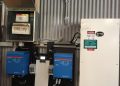
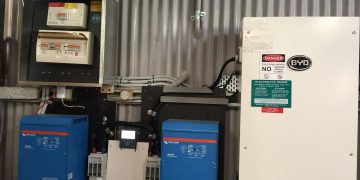
- Inverter and Other Equipment: Essential for converting solar energy into usable electricity, these components can vary in cost depending on quality and brand.
- Permitting and Inspection Fees: Local regulations may require specific permits and inspections, adding to the initial outlay.
By understanding these elements, small business owners can better anticipate their investment and make informed decisions tailored to their specific energy needs and financial plans.
Exploring Financing Options for Small Business Solar Projects
When embarking on the journey to power your small business with solar energy, understanding the diverse financing avenues available is crucial. Whether you’re aiming to purchase or lease, each option offers unique advantages tailored to different business needs. Leasing solar panels can be an attractive option, allowing businesses to benefit from solar energy without the initial financial outlay. This option often includes maintenance and repair services, ensuring that your system runs smoothly. On the other hand, purchasing panels can be more cost-effective in the long run, especially with federal tax incentives and local rebates that can significantly reduce upfront costs.
- Solar Loans: Ideal for businesses looking to own their solar panels, these loans often come with lower interest rates and can be structured to align with your financial strategy.
- Power Purchase Agreements (PPAs): These allow businesses to pay only for the electricity generated, often at a lower rate than traditional utilities.
- Grants and Incentives: Various governmental and non-profit programs are available to support small businesses in transitioning to solar, providing both financial and advisory assistance.
Exploring these options can reveal the most financially viable path to sustainable energy for your business, balancing both immediate and long-term benefits.
Analyzing Long-term Savings and ROI from Solar Energy
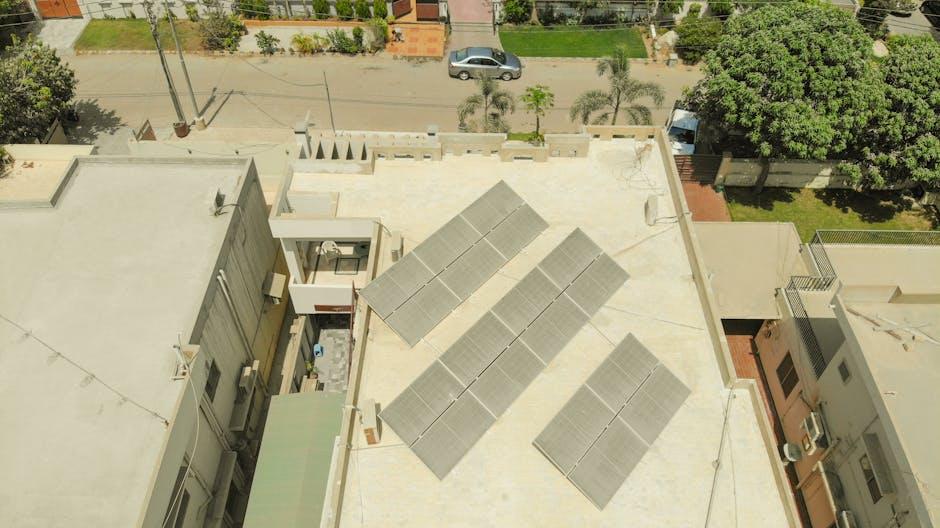
When evaluating the investment in solar energy for small businesses, it’s crucial to delve into the long-term savings and return on investment (ROI). Solar panels, while having an upfront cost, can lead to significant reductions in electricity bills over time. Small businesses often see a decrease in monthly energy expenses as they harness the power of the sun, which can lead to substantial savings annually. This reduction in operational costs allows businesses to allocate resources to other essential areas, potentially boosting growth and profitability.
Additionally, investing in solar energy can yield a positive ROI within a few years. Key factors influencing this include:
- Incentives and Tax Credits: Many regions offer financial incentives, such as tax credits, that can significantly offset the initial costs.
- Energy Prices: As traditional energy prices rise, the cost-effectiveness of solar energy becomes more pronounced.
- Longevity of Panels: Modern solar panels are designed to last for decades, ensuring long-term savings.
Ultimately, while the initial investment may seem daunting, the financial benefits of solar energy can be substantial, making it a wise choice for future-focused businesses.
Tailoring Solar Solutions to Fit Small Business Needs
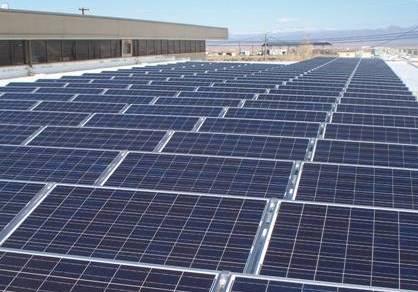
When considering solar panels for small businesses, several factors come into play to ensure a perfect fit. The cost is influenced by the size of the installation, energy needs, and location. Typically, small businesses can expect to invest anywhere from $15,000 to $50,000 for a complete solar panel setup. This range may vary depending on specific requirements and the potential for local incentives or rebates. Customizing the system to match energy consumption patterns can optimize efficiency and long-term savings.
- System Size: Smaller setups require fewer panels, reducing upfront costs.
- Energy Needs: Tailor the system to meet specific energy demands to avoid over-investment.
- Location: Geographical area affects sunlight availability and potential savings.
- Incentives: Investigate local and federal incentives to lower initial costs.
In Summary
As the sun sets on our exploration of solar panel costs for small businesses, it’s clear that harnessing the power of the sun is not just an investment in sustainability but also a strategic move towards energy independence. While the initial costs may seem daunting, the long-term benefits—both environmental and financial—paint a promising picture. With various financing options and incentives available, small businesses have a bright opportunity to illuminate their path to a greener future. As you weigh the potential savings against the upfront expenses, remember that each solar panel is a step towards a more sustainable tomorrow. Whether you’re just starting to consider solar energy or are ready to make the leap, the sun is ready to power your business’s journey forward.