







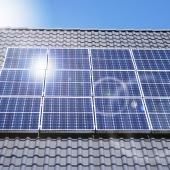




In the ever-evolving tapestry of technological advancement, solar energy has long been hailed as a beacon of sustainable promise. Yet, as we bask in the glow of solar panels adorning rooftops and sprawling solar farms, a pressing question emerges from the shadows: are the solar technologies we currently champion already relics of the past? As innovation races forward at an unprecedented pace, this article delves into the heart of solar technology, exploring whether today’s solutions are already eclipsed by the dawn of tomorrow’s breakthroughs. Join us on this illuminating journey as we navigate the intersection of progress and obsolescence in the realm of solar power.
Evolution of Solar Tech: A Historical Perspective
From its humble beginnings in the late 19th century, when the photovoltaic effect was first discovered, solar technology has undergone a remarkable transformation. Early iterations were primitive and inefficient, often relegated to niche applications. However, the 20th century witnessed a surge in innovation, driven by a growing recognition of renewable energy’s potential. During the 1950s and 60s, solar cells began to find their way into space exploration, marking a pivotal moment in their development.
- 1970s: Oil crises spurred interest in alternative energy sources.
- 1980s: Technological advances improved efficiency and reduced costs.
- 1990s: Grid-connected systems became feasible, paving the way for residential use.
- 2000s to Present: Mass production and governmental incentives accelerated adoption.
As we examine the present landscape, it’s clear that solar technologies have matured significantly. Yet, the question remains: are these advancements already showing signs of obsolescence? While current systems are far more efficient and affordable than their predecessors, the relentless pace of innovation suggests that the next breakthrough is always on the horizon. The continual evolution of materials, like perovskite solar cells, and the integration of AI and IoT in energy management, hint at a future where today’s cutting-edge may soon become yesterday’s news.
Current Limitations in Solar Efficiency and Innovation
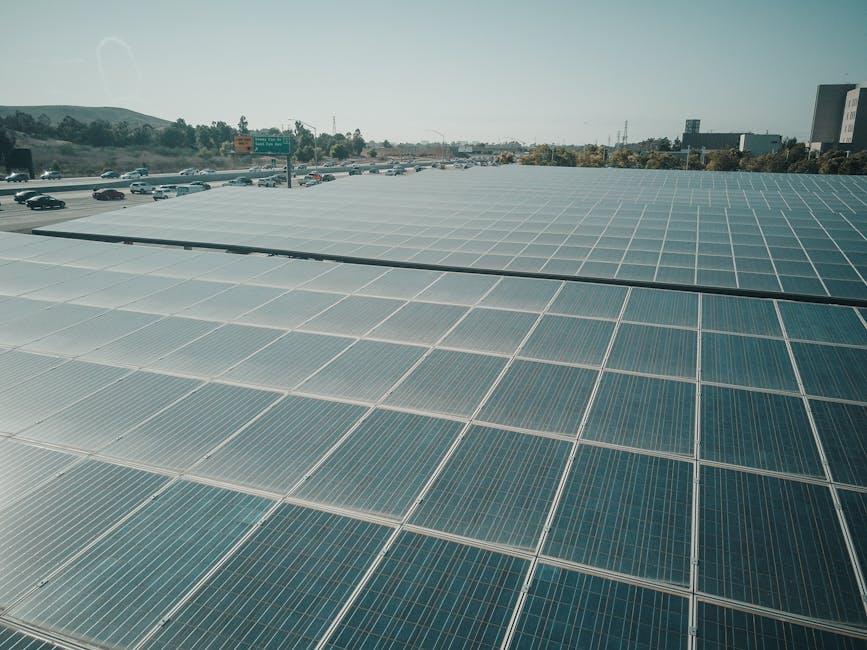
Despite the impressive strides made in harnessing solar energy, several constraints continue to hinder the full potential of solar technology. Efficiency, a critical factor, remains a challenge as most photovoltaic cells convert only a fraction of sunlight into electricity. This limitation necessitates larger installations to achieve desired energy outputs, often leading to increased costs and space requirements. Furthermore, the performance of solar panels is highly dependent on environmental conditions, which can result in inconsistent energy supply.
In terms of innovation, the pace of advancement is slowed by the need for significant investment in research and development. While emerging technologies such as perovskite solar cells promise higher efficiency and lower production costs, they face hurdles related to scalability and durability. Additionally, the integration of solar power into existing energy grids presents logistical challenges, particularly in terms of energy storage and distribution. The need for improved battery technology to store solar energy efficiently remains a pressing issue. As the industry seeks to overcome these barriers, the quest for sustainable and more effective solar solutions continues.
- Efficiency constraints
- Environmental dependency
- Investment in R&D
- Scalability of new technologies
- Energy storage and distribution challenges
Emerging Alternatives: What’s on the Horizon for Solar Energy
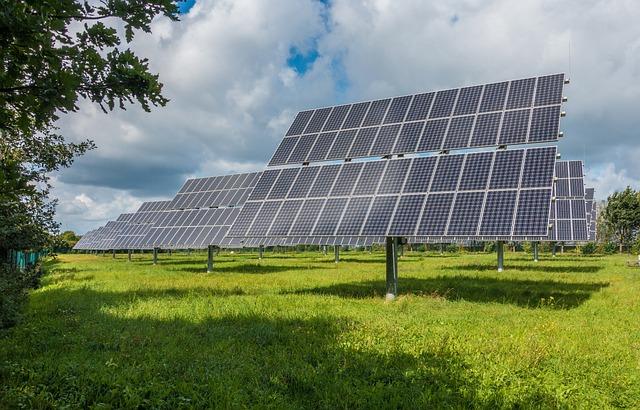
As the solar energy sector continues to evolve, groundbreaking alternatives are emerging that promise to redefine our understanding of what solar technology can achieve. Researchers and innovators are exploring perovskite solar cells, which offer potential advantages over traditional silicon cells, such as lower production costs and higher efficiency rates. These materials, being lightweight and flexible, could revolutionize how solar panels are integrated into buildings, vehicles, and even clothing.
Beyond perovskites, there’s a growing interest in organic photovoltaics (OPVs) and quantum dot solar cells. These technologies boast unique benefits:
- Organic Photovoltaics (OPVs): Known for their flexibility and lightweight nature, OPVs are poised to be used in applications where traditional panels are impractical.
- Quantum Dot Solar Cells: With the ability to harness a broader spectrum of sunlight, these cells could dramatically increase the efficiency of solar panels.
Moreover, the development of floating solar farms is gaining traction, offering a solution to land scarcity while also reducing water evaporation from reservoirs. As these technologies advance, the landscape of solar energy is set for a dynamic transformation, offering a glimpse into a future where solar power becomes more accessible and versatile than ever before.

Recommendations for Staying Ahead in Solar Technology
- Continuous Learning and Adaptation: Stay informed about the latest advancements in solar technology through online courses, webinars, and industry publications. Engaging with educational resources and attending conferences can provide valuable insights into emerging trends and innovations.
- Invest in Research and Development: Allocate resources to R&D to explore cutting-edge materials and techniques. Collaborating with universities or tech startups can lead to groundbreaking discoveries that keep your solar solutions at the forefront of technology.
- Embrace Digital Transformation: Leverage data analytics, AI, and IoT to optimize solar panel performance and maintenance. Implementing smart technologies can enhance efficiency and predict potential issues before they escalate.
- Foster Sustainable Practices: Incorporate eco-friendly manufacturing and installation processes. This not only boosts your reputation but also aligns with global sustainability goals, ensuring long-term viability in the market.
- Engage with Policy and Regulation: Keep abreast of governmental policies and incentives related to renewable energy. Understanding regulatory changes can help you adapt swiftly and benefit from available subsidies or tax breaks.
The Conclusion
As we stand on the precipice of an energy revolution, the question of whether current solar technologies are already outdated serves as a reminder of the relentless march of innovation. While today’s solar panels continue to harness the sun’s power with impressive efficiency, the horizon is awash with potential breakthroughs that promise to redefine our energy landscape. From perovskite materials to quantum dot technologies, the future glimmers with possibilities that could soon outshine the solar solutions of today. Yet, even as we gaze forward, we must not forget the strides already made—each panel installed, each kilowatt generated, contributing to a cleaner, more sustainable world. In this ever-evolving dance with the sun, perhaps the most important takeaway is not whether our current technologies are outdated, but how they serve as stepping stones to a brighter, more radiant future. As we continue to innovate and explore, the sun will always rise, offering endless opportunities to illuminate the path ahead.