









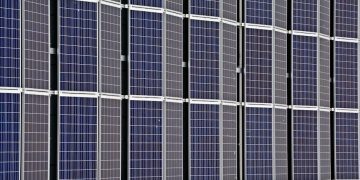
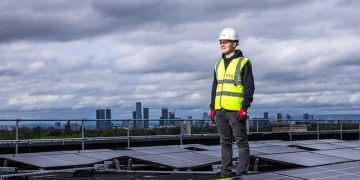





In an era where sustainability is no longer just a buzzword but a business imperative, commercial solar projects have emerged as a beacon of innovation and environmental stewardship. Yet, as the sun rises on this promising horizon, the challenge of financing such projects looms large. Navigating the financial landscape of commercial solar initiatives can seem as complex as the technology itself. This article sheds light on the multifaceted world of solar financing, guiding you through the diverse array of options available to bring your solar aspirations to fruition. Whether you are a seasoned investor or a business owner exploring green energy for the first time, this exploration will illuminate the path to securing the financial foundation for your solar venture. Join us as we unravel the intricacies of funding the future of energy, one ray at a time.
Exploring Diverse Financing Models for Solar Ventures
When it comes to financing solar ventures, understanding the variety of available models can significantly impact the success of your project. Each model offers distinct advantages and considerations, making it crucial to choose the one that aligns best with your business objectives. Here are some key models to consider:
- Power Purchase Agreements (PPAs): These long-term agreements allow businesses to buy solar power at a predetermined rate, providing cost stability and minimizing upfront expenses. PPAs are especially appealing for companies looking to reduce their carbon footprint without the need for significant capital investment.
- Leasing Options: Opting for a lease allows companies to use solar equipment without owning it outright. This can reduce initial costs and maintenance responsibilities, making it an attractive choice for businesses wanting to harness solar energy with less financial risk.
- Commercial Loans: For companies preferring ownership, commercial loans can provide the necessary funds to purchase solar systems. This model can lead to long-term savings and potential tax benefits, though it requires a thorough analysis of interest rates and loan terms.
- Green Bonds: Issuing green bonds can be a viable way to attract environmentally conscious investors. This model not only helps in raising capital but also enhances the company’s sustainability credentials.
Exploring these financing models can help businesses effectively integrate solar energy solutions, ensuring a balance between economic viability and environmental responsibility. Understanding the intricacies of each option can empower businesses to make informed decisions tailored to their unique energy needs and financial goals.

Maximizing Tax Incentives and Credits for Solar Projects
For businesses investing in solar projects, leveraging tax incentives and credits can significantly reduce the overall cost and accelerate the return on investment. Understanding and utilizing these financial benefits can be a game-changer. Here’s a look at some of the most impactful incentives available:
- Investment Tax Credit (ITC): One of the most lucrative incentives, the ITC allows businesses to deduct a substantial percentage of the cost of installing a solar energy system from federal taxes.
- Modified Accelerated Cost Recovery System (MACRS): This depreciation method allows for accelerated asset depreciation, enabling businesses to recoup investments faster and reduce taxable income.
- State-Specific Incentives: Many states offer additional rebates, credits, or tax exemptions. It’s crucial to research and tap into these regional programs for further savings.
By strategically planning your solar investment with these incentives in mind, businesses can maximize financial benefits and make a significant positive impact on both the environment and their bottom line.

Navigating Loan and Lease Options for Commercial Solar
Choosing between loan and lease options for financing commercial solar projects can be a pivotal decision for businesses aiming to harness solar energy. Loans provide the advantage of ownership, allowing businesses to capitalize on tax incentives and rebates, which can significantly offset initial costs. Typically, these loans offer flexible terms and competitive interest rates, making them an attractive option for those looking to invest long-term in renewable energy assets.
On the other hand, leases offer a different set of benefits that can be particularly appealing for businesses with budget constraints. With leasing, companies can enjoy reduced upfront costs and predictable monthly payments, as the leasing company retains ownership and handles maintenance. Consider the following when evaluating leases:
- Operating Lease: Offers lower monthly payments, suitable for those prioritizing cash flow.
- Capital Lease: Provides a path to eventual ownership, allowing the lessee to claim depreciation and interest expenses.
Each financing method has its unique advantages, and the choice ultimately depends on the company’s financial goals, tax situation, and long-term energy strategy. Understanding these nuances is crucial for making informed decisions that align with your business’s sustainability objectives.

Crafting a Compelling Proposal for Solar Investment
When venturing into the realm of commercial solar projects, a meticulously crafted proposal is your gateway to attracting potential investors. A compelling proposal not only highlights the environmental benefits but also underscores the financial viability of the project. Start by clearly defining the scope of your project. Include detailed information about the project’s location, size, and the technology being used. Next, emphasize the financial returns. This includes projected savings on energy costs, expected return on investment (ROI), and potential tax incentives. Investors are particularly interested in the financial metrics that demonstrate the project’s profitability and long-term value.
Additionally, outline the risk management strategies that you have in place. This may include securing long-term power purchase agreements (PPAs) or implementing advanced technology to optimize energy production. It’s also beneficial to highlight any partnerships with reputable organizations, as these can enhance the credibility of your project. Consider including a section on the positive social and environmental impacts, such as reduced carbon emissions and local job creation. By addressing these key areas, your proposal will not only capture the interest of investors but also build confidence in the project’s potential for success.
In Summary
As we draw the curtains on our exploration of financing commercial solar projects, it becomes clear that the path to harnessing the sun’s energy is as much about financial strategy as it is about technological innovation. Navigating the world of loans, incentives, and investments can seem daunting, but with the right tools and knowledge, the journey becomes not only feasible but also rewarding. As businesses continue to seek sustainable solutions, the opportunity to invest in solar power stands as a beacon of promise. Whether you’re a seasoned entrepreneur or a newcomer to the renewable energy scene, understanding these financial avenues can empower you to make informed decisions that illuminate the future of your enterprise. Let the sun’s rays guide you to a brighter, greener horizon.