











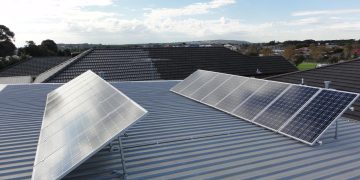






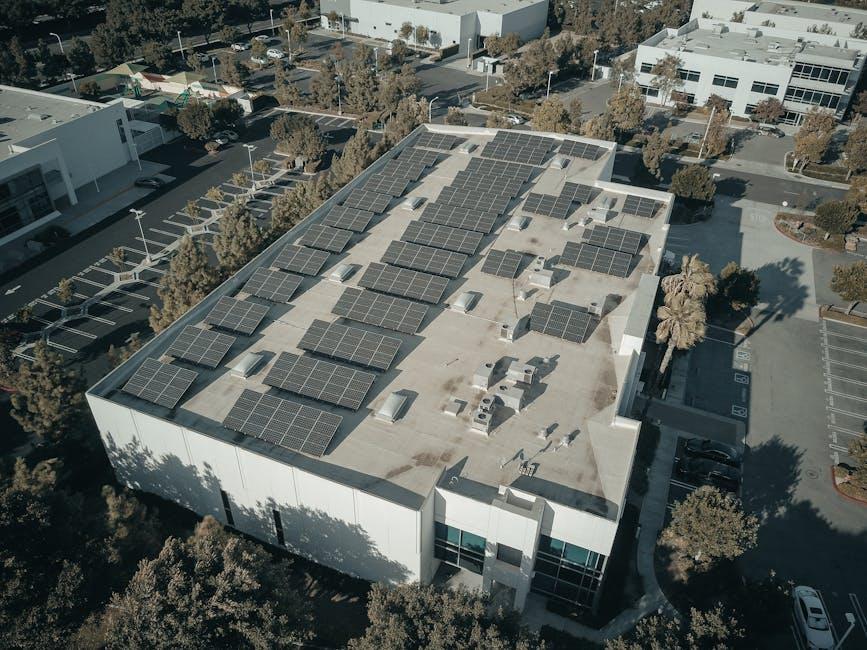
In the race against climate change, where every beam of sunlight holds the promise of a cleaner tomorrow, the role of commercial solar power emerges as a beacon of hope and innovation. As the world grapples with the urgent need to curb carbon emissions and achieve net zero goals, businesses are turning to the sun not just for illumination, but for transformation. This renewable energy revolution is reshaping skylines, energizing economies, and redefining what it means to be sustainable in the modern age. With solar panels glinting atop skyscrapers and sprawling across corporate campuses, commercial solar power is not merely an alternative; it is a pivotal player in the global quest for a sustainable future. This article delves into the dynamic interplay between commerce and sustainability, exploring how commercial solar is powering the path to net zero, one rooftop at a time.
Harnessing Sunlight Power to Drive Sustainable Change
In an era where climate change is an ever-pressing challenge, commercial solar systems are emerging as a beacon of hope for a sustainable future. These systems, which transform sunlight into clean energy, are not only reducing carbon footprints but are also proving to be economically viable for businesses across various sectors. By tapping into the vast potential of solar power, companies can significantly lower their reliance on fossil fuels, leading to a notable decrease in greenhouse gas emissions. This shift towards solar energy is helping pave the way for achieving net zero goals, offering a promising pathway for a more sustainable planet.
- Cost Efficiency: With the declining cost of solar technology, businesses can expect reduced energy bills and long-term savings.
- Energy Independence: By generating their own power, companies can reduce dependence on traditional energy sources.
- Brand Reputation: Adopting solar power can enhance a company’s image, showcasing a commitment to sustainability.

Innovative Financing Models for Widespread Solar Adoption
In the quest to accelerate solar energy adoption, innovative financing models are pivotal. Traditional financing avenues often create barriers due to high upfront costs, which can deter businesses from transitioning to solar. However, new financial strategies are emerging, designed to lower these barriers and promote accessibility. These models not only align with environmental goals but also offer economic incentives for businesses.
- Power Purchase Agreements (PPAs): Allow businesses to purchase solar power at a predetermined rate, typically lower than the local utility rate, with no initial investment.
- Solar Leasing: Provides companies the opportunity to lease solar equipment, paying a fixed monthly fee while benefiting from energy savings.
- Community Solar Programs: Enable businesses to subscribe to a shared solar project, offsetting their energy usage without on-site installations.
These financial frameworks are critical in making solar technology more attractive and feasible for commercial entities. By reducing financial constraints and offering flexible options, these models facilitate broader participation in the renewable energy transition, ultimately contributing to global net-zero objectives.

Overcoming Technical Challenges in Commercial Solar Implementation
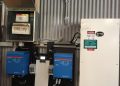
In the journey towards net zero, the deployment of commercial solar systems is fraught with numerous technical hurdles that must be addressed to harness their full potential. One of the primary challenges is the integration of solar power into existing grid infrastructures. This involves ensuring compatibility between solar systems and the grid, which can be complex due to variability in grid standards and solar technologies. Addressing these compatibility issues often requires sophisticated inverter technologies and advanced energy management systems that can efficiently manage and synchronize power flow.
Another significant challenge is the optimization of energy storage solutions. Solar energy production is inherently intermittent, making reliable energy storage crucial for maintaining a steady supply. The commercial sector must invest in cutting-edge battery technologies that not only store energy efficiently but also integrate seamlessly with solar installations. Additionally, ensuring the scalability and flexibility of solar solutions is vital, as businesses require systems that can grow and adapt to changing energy demands. Overcoming these technical challenges is essential for maximizing the benefits of commercial solar and achieving sustainable energy goals.
Strategic Partnerships and Policy Frameworks for a Greener Future
In the quest for a sustainable future, strategic partnerships and policy frameworks play a pivotal role in amplifying the impact of commercial solar energy solutions. By fostering collaboration between governments, private enterprises, and research institutions, these partnerships can facilitate the development of innovative technologies and streamline their integration into the energy grid. This synergy is crucial for overcoming existing barriers, such as financial constraints and regulatory hurdles, and for driving the mass adoption of solar energy as a cornerstone of the global energy mix.
Policy frameworks are equally essential in this transformation. They provide the regulatory support needed to incentivize the use of solar power through mechanisms such as tax credits, subsidies, and renewable energy certificates. A robust policy environment can help align the interests of diverse stakeholders and create a conducive atmosphere for investment in solar infrastructure. As nations strive to meet their net zero commitments, these frameworks can ensure that commercial solar initiatives are not just economically viable but also scalable and sustainable. By focusing on these strategic elements, the transition to a greener future can be accelerated, ensuring a cleaner planet for generations to come.
- Incentives and subsidies for solar adoption
- Collaborative research and development efforts
- Regulatory support for grid integration
Final Thoughts
As the sun dips below the horizon, casting a golden hue across fields of glistening solar panels, the promise of a sustainable future illuminates the path ahead. Commercial solar, with its ability to transform rooftops and landscapes into hubs of clean energy, stands as a pivotal player in our journey toward net zero goals. By harnessing the power of the sun, businesses not only reduce their carbon footprint but also inspire a wave of innovation and responsibility across industries.
The road to net zero is paved with challenges and opportunities, where each solar panel installed represents a step forward in the collective quest for environmental stewardship. As we navigate this dynamic landscape, the role of commercial solar becomes ever more crucial, not just as a tool for energy transformation but as a beacon of possibility in the global effort to combat climate change.
In this shared endeavor, let us look to the future with optimism, knowing that the seeds of change we plant today will yield a harvest of hope and sustainability for generations to come. As the world turns toward a cleaner, greener horizon, commercial solar stands ready to illuminate the way.