
















In the shimmering promise of a solar-powered future, the rays of hope sometimes cast long shadows. As the world races towards renewable energy, the demand for solar panels surges, illuminating a critical question: is the workforce powering this revolution being left in the dark? Within bustling manufacturing hubs, where the hum of progress meets the grind of production, concerns are emerging about potential exploitation. This article delves into the heart of the solar industry’s supply chain, exploring whether the quest for sustainable energy is inadvertently compromising the well-being of those who toil to make it a reality. Through a balanced lens, we aim to shed light on the intricate dynamics at play, examining the intersection of innovation, labor rights, and ethical responsibility.
Labor Conditions and Their Impact on Solar Industry Growth
In recent years, the solar industry has witnessed exponential growth, fueled by the increasing demand for renewable energy. However, the rapid expansion has shone a light on the labor conditions within the industry’s manufacturing hubs. Reports from various organizations have raised concerns about the exploitation of workers in these regions, where labor laws may be lax or poorly enforced. Long working hours, inadequate safety measures, and minimal compensation are among the issues faced by many workers. These conditions not only affect the well-being of the workforce but also pose a significant risk to the industry’s reputation and sustainability.
- Long Working Hours: Many workers in manufacturing hubs are required to work extended hours without adequate breaks or overtime pay.
- Safety Concerns: Inadequate safety measures often lead to workplace injuries, highlighting the need for stricter enforcement of safety regulations.
- Minimal Compensation: Despite the industry’s profitability, many workers receive wages that are insufficient to meet basic living standards.
Addressing these challenges is crucial for ensuring the ethical growth of the solar industry. Implementing fair labor practices and enhancing working conditions can lead to a more motivated and productive workforce, ultimately supporting the industry’s long-term success.
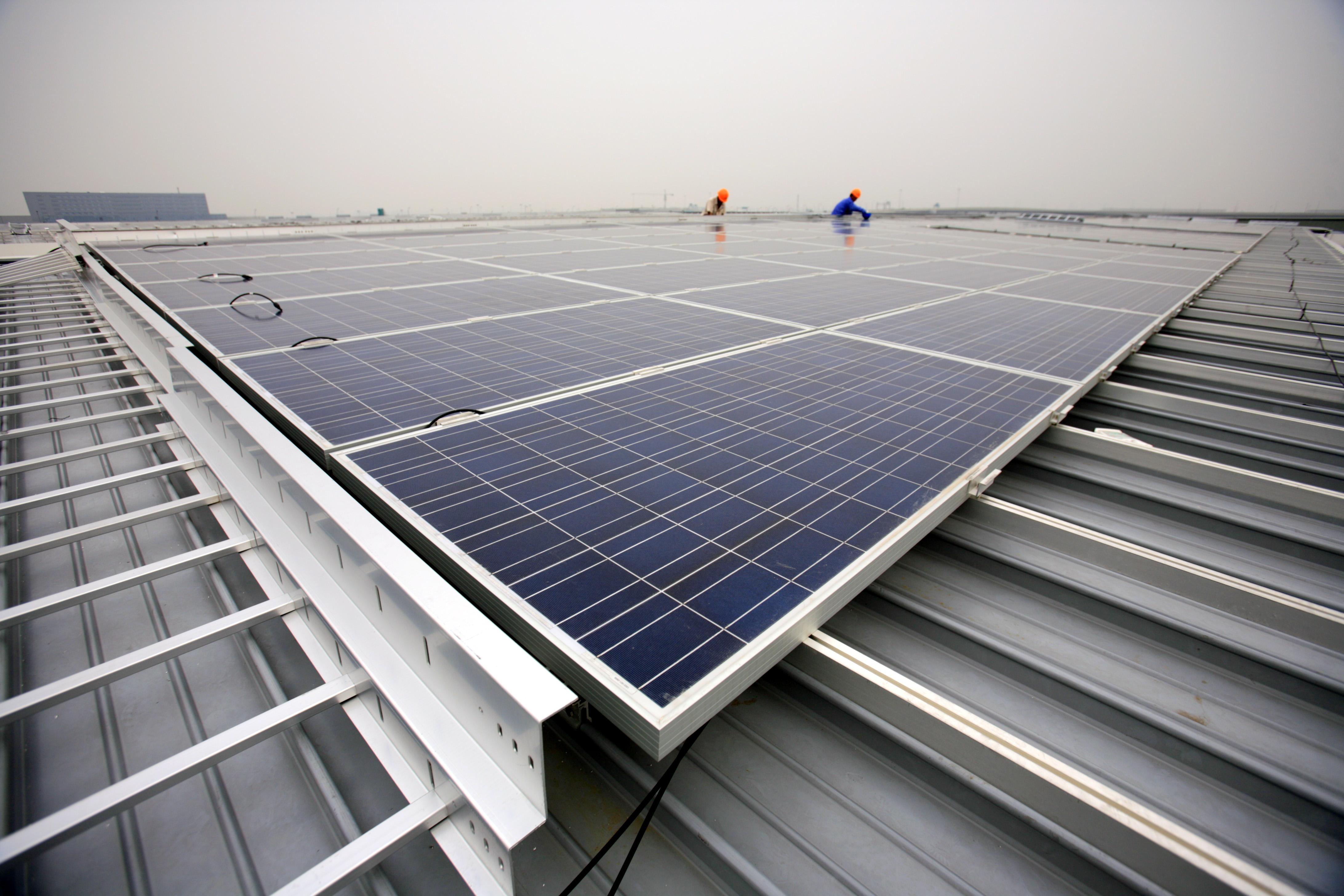
Unveiling the Human Cost Behind Solar Panel Production
As the global demand for renewable energy surges, the spotlight turns to the very backbone of this industry: the workers who labor tirelessly in manufacturing hubs across the globe. Solar panel production, while a beacon of hope for sustainable energy, often masks the less illuminated aspects of its supply chain. In some regions, the workforce is subjected to arduous conditions that echo the labor struggles of the past.
- Low wages: Despite the industry’s booming growth, many workers receive wages that barely meet living standards.
- Excessive working hours: Employees frequently endure long shifts, often without the compensation that such overtime demands.
- Unsafe working environments: Reports highlight inadequate safety measures, exposing workers to harmful substances and potential injuries.
These challenges raise critical questions about the ethical practices within the solar panel supply chain. While the pursuit of clean energy is paramount, it is essential to ensure that the journey towards sustainability does not compromise human dignity and rights. Balancing the scales of economic growth and social responsibility becomes a pressing narrative as we delve deeper into the realities faced by these indispensable workers.

Strategies for Ethical Labor Practices in Solar Manufacturing
In the rapidly evolving solar industry, ensuring ethical labor practices is crucial to maintaining a sustainable and fair manufacturing ecosystem. To address potential exploitation, companies can implement a series of strategies designed to uphold workers’ rights and promote ethical standards. Key approaches include:
- Transparency and Accountability: Establish clear and open communication channels within the supply chain. By making information about labor practices publicly available, companies can hold themselves accountable and encourage others to follow suit.
- Worker Empowerment: Foster an environment where workers are encouraged to voice their concerns without fear of retribution. Implementing regular feedback mechanisms and offering training opportunities can empower employees and improve workplace conditions.
- Fair Wages and Benefits: Ensure that all workers receive fair compensation that reflects the cost of living in their respective regions. Offering benefits such as healthcare and paid leave can significantly enhance their quality of life and job satisfaction.
- Partnerships with Ethical Auditors: Collaborate with third-party organizations specializing in ethical audits to regularly review and certify labor practices. These partnerships can help identify areas for improvement and build trust with stakeholders.
By implementing these strategies, solar manufacturers can not only protect their workforce but also enhance their brand reputation, contributing to a more sustainable and ethical industry overall.

Balancing Innovation and Worker Rights in Renewable Energy Sectors
In the rapidly evolving landscape of renewable energy, the solar industry stands at a crossroads where innovation and worker rights must find harmony. While technological advancements in solar panel production have accelerated, there’s growing concern over the conditions faced by the workforce in manufacturing hubs. Reports have surfaced pointing to challenging work environments and inadequate labor protections, raising questions about the cost of progress in this sector.
To address these concerns, stakeholders are urged to consider a multifaceted approach:
- Implementing Fair Labor Practices: Companies should establish and enforce fair wages, reasonable working hours, and safe working conditions for all employees.
- Ensuring Transparency: Greater transparency in supply chains can help hold manufacturers accountable and promote ethical practices.
- Fostering Collaboration: Partnerships between governments, NGOs, and industry leaders can lead to sustainable solutions that prioritize both innovation and worker welfare.
By striking a balance between cutting-edge advancements and ethical labor standards, the solar industry can illuminate a path towards a more equitable and sustainable future.
Future Outlook
As the sun sets on our exploration of the solar workforce and the challenges faced within bustling manufacturing hubs, it becomes clear that the pursuit of renewable energy is not just a technological journey but a human one. This intricate dance between innovation and ethics calls for a harmonious balance, where progress does not overshadow the rights and well-being of those who power this revolution. As we look to the horizon, the question remains: can the industry illuminate a path forward that is as sustainable for its workers as it is for the planet? Only time will tell, as stakeholders, policymakers, and consumers alike must come together to ensure that the promise of a brighter, cleaner future does not cast a shadow over those who toil to make it a reality. it is not just about harnessing the power of the sun, but also about shining a light on the practices that underpin this vital sector.