


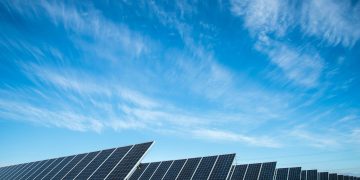
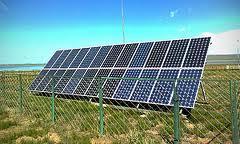
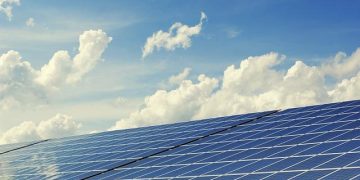

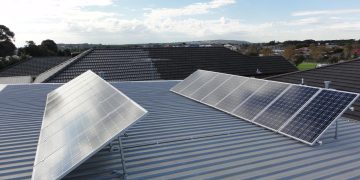
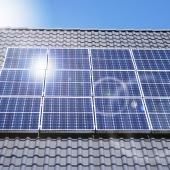



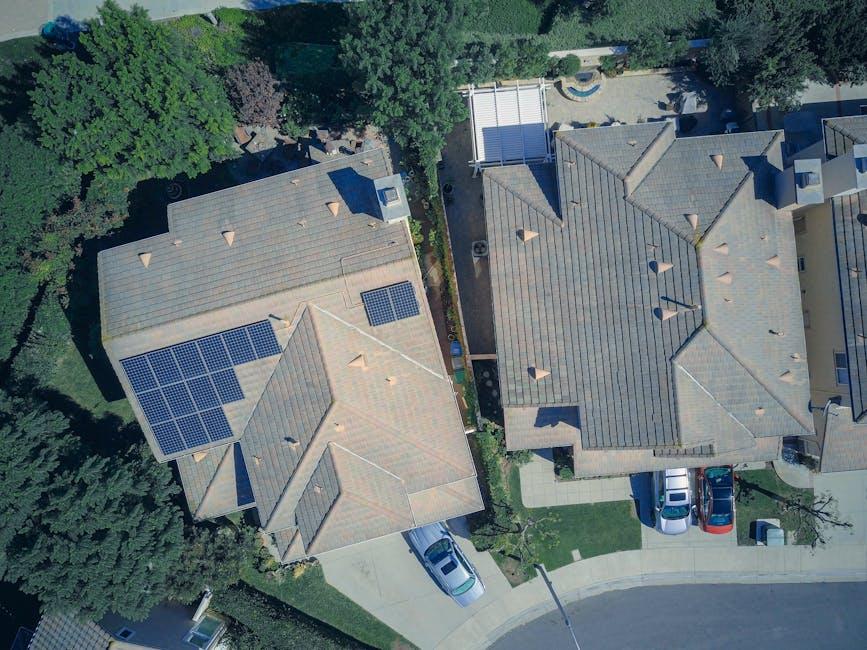
As the golden hues of dawn sweep across suburban rooftops, an unprecedented transformation quietly unfolds. The hum of electric vehicles (EVs) setting off for the day’s journey echoes the silent symphony of sunlight cascading onto solar panels. In a world driven by the pursuit of sustainability, the convergence of residential solar systems and EV chargers emerges as a beacon of innovation. This harmonious pairing not only promises a reduction in carbon footprints but also poses intriguing questions about compatibility and efficiency. Can the power of the sun seamlessly fuel the vehicles of the future? This article delves into the symbiotic relationship between these two green technologies, exploring their potential to reshape how we think about energy consumption in our daily lives.
Understanding the Synergy Between Solar Panels and EV Chargers
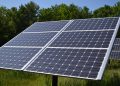
The combination of solar panels and electric vehicle (EV) chargers is more than just a technological advancement; it’s a harmonious relationship that offers a range of benefits for homeowners. With the integration of solar energy systems, EV owners can enjoy a sustainable and cost-effective charging solution. By harnessing the power of the sun, residential solar systems can efficiently meet the energy demands of EV chargers, reducing dependency on the grid and decreasing electricity costs. This synergy not only supports environmental sustainability but also empowers homeowners to take control of their energy usage.
- Energy Independence: Solar panels can generate the electricity needed to charge EVs, allowing homeowners to rely less on the grid.
- Cost Savings: Charging your vehicle with solar energy can significantly reduce electricity bills.
- Environmental Impact: Utilizing solar power for EV charging decreases carbon footprint and promotes a greener lifestyle.
Smart integration of these technologies can also include advanced energy management systems, which optimize the flow of solar-generated power to the EV charger. This ensures that the vehicle is charged during peak sunlight hours, maximizing the efficiency of energy use. As the world moves towards renewable energy solutions, the seamless integration of solar panels and EV chargers stands as a testament to innovation and sustainability in residential energy systems.
Evaluating the Technical Compatibility of Residential Solar Systems and Electric Vehicle Chargers
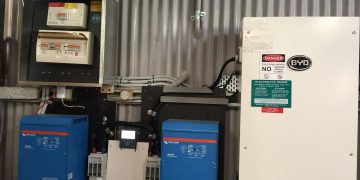
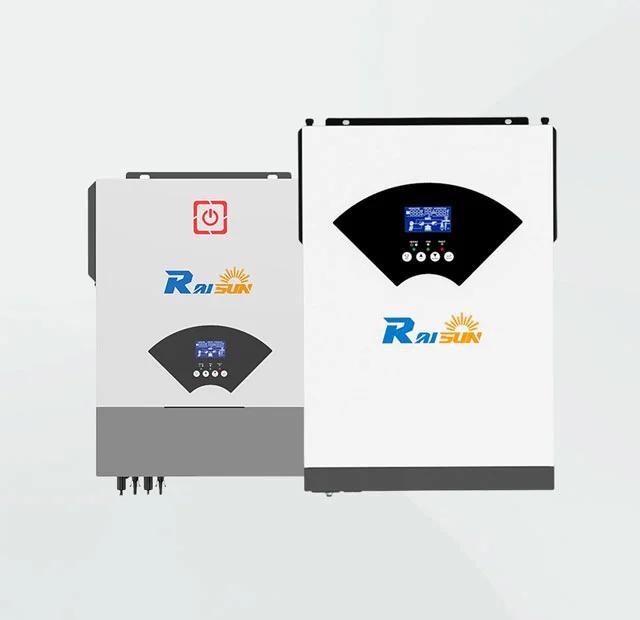
When considering the integration of solar power with electric vehicle (EV) chargers, several technical factors come into play to ensure a seamless operation. Power compatibility is paramount; the solar system must generate sufficient energy to meet the demands of the EV charger. This involves assessing the capacity of the solar panels and the efficiency of the inverter system, ensuring they can handle the load without causing disruptions or inefficiencies. Furthermore, the alignment of the electrical specifications, such as voltage and current requirements, between the solar system and the EV charger is crucial to prevent any potential damage or performance issues.
- Load Management: Understanding and managing the power load is essential to optimize the use of solar energy and reduce reliance on the grid.
- System Design: A well-designed system that considers the location, sunlight availability, and panel orientation can enhance compatibility and efficiency.
- Battery Storage: Incorporating battery storage solutions can help balance energy supply and demand, ensuring the availability of solar power even during non-sunny hours.
By meticulously evaluating these aspects, homeowners can achieve a harmonious blend of solar energy and EV charging, maximizing both environmental and economic benefits.
Maximizing Efficiency: Best Practices for Integrating Solar Power with EV Charging
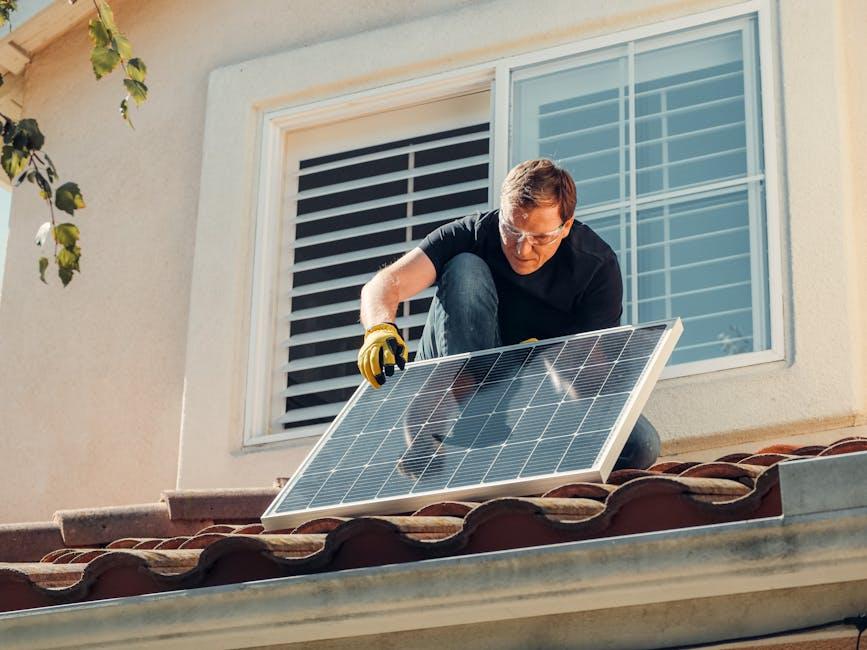
Integrating solar power with EV charging is not only feasible but can also be highly efficient when done correctly. To ensure a seamless blend of these technologies, consider the following best practices:
- Smart Energy Management: Utilize intelligent systems that can balance energy loads between home usage and EV charging. This ensures that your car is charged efficiently without straining your solar setup.
- Battery Storage Solutions: Incorporate battery storage to harness excess solar energy during the day, allowing for charging during non-sunny hours. This can maximize the use of your solar power and reduce reliance on the grid.
- Proper Sizing and Design: Ensure that your solar system is appropriately sized to meet both your home and EV charging needs. A well-designed system can provide ample energy for all your requirements, maximizing your investment.
- Use of Bi-Directional Chargers: These chargers can allow your EV to act as an energy source for your home, providing an additional layer of efficiency and sustainability.
By implementing these strategies, homeowners can enjoy the dual benefits of solar energy and electric vehicle technology, reducing both costs and carbon footprint while enhancing energy independence.
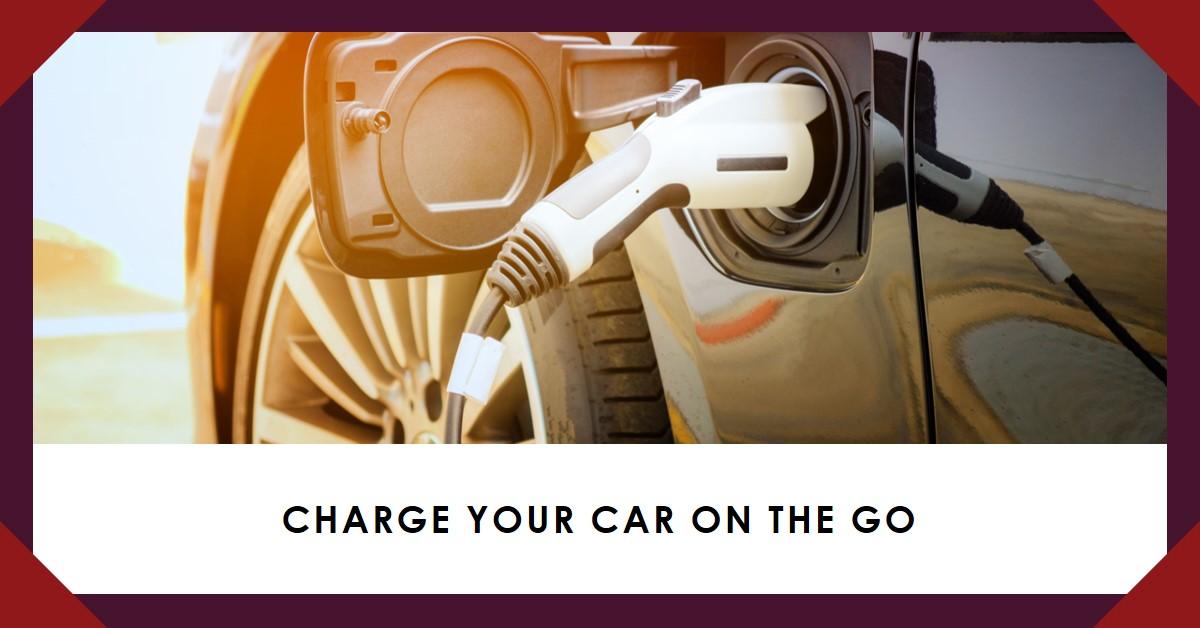
Key Considerations for Seamless Solar and EV Charger Integration
When integrating solar power systems with EV chargers, there are several crucial aspects to consider to ensure a smooth and efficient setup. First, system capacity is paramount. It’s essential to assess whether the existing solar system can generate sufficient power to meet both household needs and the demands of charging an electric vehicle. Evaluating the average daily electricity consumption and comparing it with solar production can help determine if additional panels are necessary.
Additionally, the choice of inverter plays a significant role in compatibility. Opt for an inverter that supports bi-directional power flow, allowing seamless energy distribution between home consumption, EV charging, and solar energy storage. Considerations should also include:
- Smart Charging Solutions: Implementing a smart EV charger can optimize energy usage by charging the vehicle during peak solar production times.
- Battery Storage: Adding a battery storage system can store excess solar energy, ensuring availability for EV charging even when solar production is low.
- Energy Management Systems: These systems can provide insights and control over energy distribution, helping balance household consumption and EV charging needs effectively.
By carefully addressing these considerations, homeowners can achieve a harmonious and efficient integration of solar systems and EV chargers, maximizing both sustainability and cost-effectiveness.
To Wrap It Up
In the ever-evolving landscape of sustainable living, the intersection of residential solar systems and electric vehicle (EV) chargers represents a promising frontier. As we’ve explored, the compatibility of these technologies is not just feasible but often advantageous, offering a symbiotic relationship that benefits both the environment and the homeowner. By harnessing the sun’s energy to power our journeys, we take a significant step towards a cleaner, more sustainable future. Whether you’re a homeowner considering this green investment or an enthusiast of renewable technologies, the road ahead is bright and full of potential. As we continue to innovate and integrate, the harmony between residential solar systems and EV chargers will undoubtedly become a cornerstone of eco-friendly living, illuminating a path towards energy independence and environmental stewardship.