







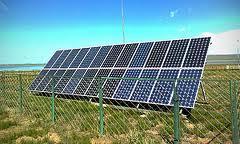




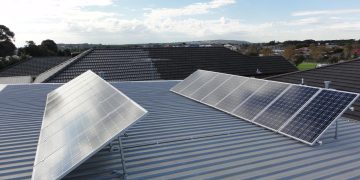






In an era where environmental consciousness intertwines with financial prudence, the allure of solar energy gleams brightly on the horizon. As homeowners and businesses alike ponder the shift from conventional power sources to the sun’s abundant rays, the question of financial viability looms large. Are the energy savings garnered from solar installations truly worth the initial investment? This article delves into the intricate dance between cost and conservation, unraveling the myriad factors that influence this pivotal decision. By examining both the tangible and intangible benefits, we aim to illuminate whether the promise of solar energy can indeed justify its upfront price tag, guiding readers through the landscape of modern energy solutions with a balanced perspective.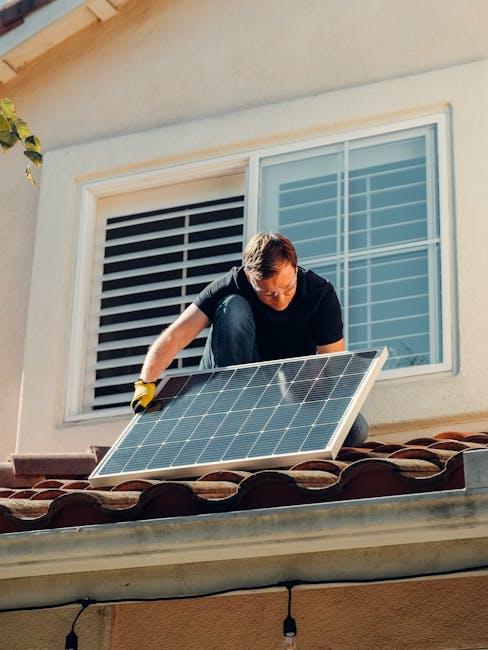
Evaluating the Financial Payback of Solar Energy Systems
When considering the transition to solar energy, one of the primary concerns is the financial return on investment. To assess whether the energy savings justify the initial costs, it’s crucial to look beyond just the upfront price tag. Solar energy systems offer a multitude of benefits that can significantly impact your long-term financial health. Some key factors to consider include:
- Reduction in Energy Bills: With solar panels, homeowners often experience a dramatic decrease in monthly electricity bills, sometimes eliminating them entirely.
- Government Incentives: Many regions offer tax credits, rebates, and other incentives to offset installation costs, which can substantially shorten the payback period.
- Increased Property Value: Homes equipped with solar systems often see a boost in market value, appealing to eco-conscious buyers.
Moreover, solar systems typically have a lifespan of 25-30 years, providing ongoing savings long after the initial investment is recovered. While the upfront costs may seem daunting, the cumulative financial benefits, combined with the positive environmental impact, can make solar energy a compelling choice for forward-thinking homeowners.
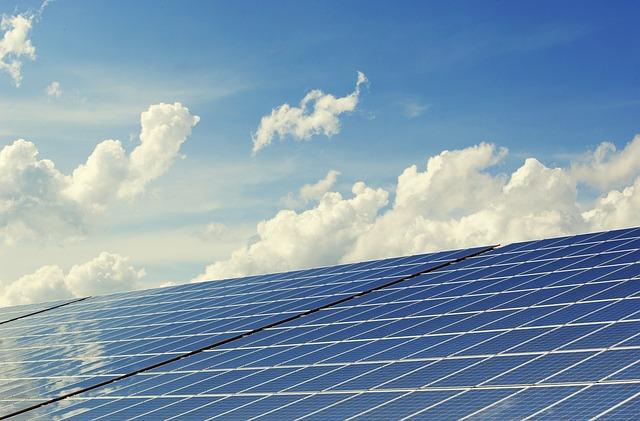
Understanding the Environmental Impact of Going Solar
As we pivot towards a more sustainable future, the role of solar energy becomes increasingly significant. While the allure of reduced electricity bills and energy independence draws many to solar power, the broader environmental benefits are equally compelling. Here are some of the key environmental impacts:
- Reduction in Carbon Footprint: Solar panels generate electricity without emitting harmful greenhouse gases, offering a cleaner alternative to fossil fuels.
- Conservation of Water Resources: Unlike traditional power generation, solar energy requires minimal water for maintenance, thereby preserving precious water resources.
- Decreased Air Pollution: By reducing reliance on coal and natural gas, solar energy contributes to lower levels of air pollutants, promoting healthier ecosystems and communities.
However, it’s important to acknowledge the environmental costs associated with the production and disposal of solar panels. These include the mining of raw materials and the energy-intensive manufacturing process. Yet, advancements in technology and recycling practices are progressively addressing these challenges, enhancing the overall sustainability of solar energy.
Analyzing Long-term Savings versus Initial Costs
When considering the switch to solar energy, one of the primary concerns is the balance between long-term savings and the initial costs. The initial investment in solar panels can be substantial, often requiring thousands of dollars upfront. However, it’s crucial to look beyond the immediate expenditure to understand the broader financial implications. Solar energy systems can significantly reduce electricity bills over time, sometimes by as much as 70% or more, depending on location and energy consumption habits.
Key factors to consider include:
- Decreased Utility Bills: Over time, the reduction in monthly energy costs can lead to significant savings, potentially covering the initial investment.
- Tax Incentives and Rebates: Many governments offer financial incentives that can help offset the initial installation costs.
- Increase in Property Value: Homes equipped with solar panels often see an increase in property value, making them more attractive to potential buyers.
- Energy Independence: By generating your own electricity, you become less reliant on fluctuating energy prices and grid supply.
Evaluating these elements can provide a clearer picture of the financial benefits over the lifespan of the solar system, typically 25-30 years. While the initial costs might seem daunting, the long-term savings and added benefits can make solar energy a worthwhile investment.

Expert Recommendations for Maximizing Solar Investment Benefits
Unlocking the full potential of your solar investment requires strategic planning and informed decision-making. Experts suggest starting with a comprehensive energy audit to understand your household’s consumption patterns. This insight can guide you in selecting the right size and type of solar system tailored to your needs. Additionally, consider leveraging available incentives and rebates. Many regions offer financial benefits that can significantly reduce the initial costs and enhance your return on investment.
- Research Local Incentives: Investigate state and federal programs that offer tax credits or rebates for solar installations.
- Optimize System Size: Choose a system size that aligns with your energy usage to maximize efficiency and savings.
- Regular Maintenance: Schedule routine maintenance to ensure your solar panels operate at peak performance.
- Explore Financing Options: Look into solar loans or leasing options to make the upfront investment more manageable.
By following these expert recommendations, homeowners can not only enhance their energy savings but also contribute to a more sustainable future.
The Conclusion
As the sun dips below the horizon, casting its final glow over the panels that silently harness its power, the question of whether solar energy is worth the upfront investment remains as nuanced as the interplay of light and shadow. While the financial outlay may seem daunting, the potential for long-term savings, environmental benefits, and energy independence beckons like a promise written in the sky. Ultimately, the decision rests in the hands of each individual, shaped by personal values, financial considerations, and a vision for the future. Whether or not one chooses to embrace the sun’s gift, the conversation around sustainable energy continues to shine brightly, guiding us towards a more informed and enlightened tomorrow. As we close this exploration, the dialogue persists, inviting reflection and inspiring action in the quest for a more sustainable world.