












As the golden hues of dawn paint the sky, a new era of energy emerges, inviting homeowners to harness the boundless power of the sun. Solar power, once a futuristic concept, has become an accessible reality, offering a sustainable solution to the ever-growing energy demands of modern life. Whether you’re driven by the allure of reducing your carbon footprint or the promise of lower electricity bills, embarking on the solar journey can transform not just your home, but your entire approach to energy consumption. In this guide, we’ll illuminate the path to solar power, unraveling the complexities and shedding light on how you can seamlessly integrate this renewable resource into your daily life.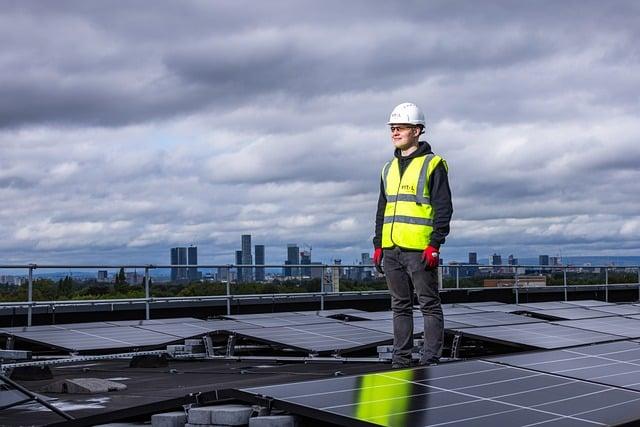
Choosing the Right Solar Panels for Your Home
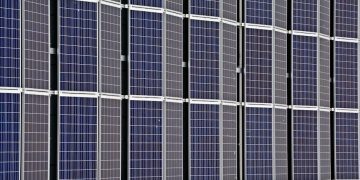
When it comes to harnessing solar energy, selecting the appropriate panels is crucial for maximizing efficiency and return on investment. Begin by evaluating the energy needs of your household. This involves calculating your average energy consumption and understanding the amount of sunlight your location receives throughout the year. Once you have this information, you can decide between the two main types of solar panels: monocrystalline and polycrystalline.
- Monocrystalline panels: Known for their higher efficiency and sleek appearance, these panels are ideal for homes with limited roof space.
- Polycrystalline panels: Often more affordable, these panels work well if you have ample roof area and are looking to minimize upfront costs.
Consider the durability and warranty offered by manufacturers, as solar panels are a long-term investment. Look for reputable brands that offer warranties spanning 25 years or more, ensuring that your solar system remains a reliable power source for decades. By carefully weighing these factors, you’ll be well on your way to selecting the perfect solar panels tailored to your home’s specific requirements.

Understanding Solar Power Installation and Maintenance
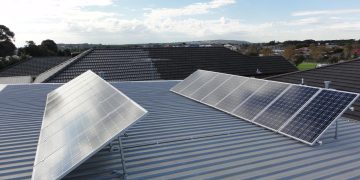
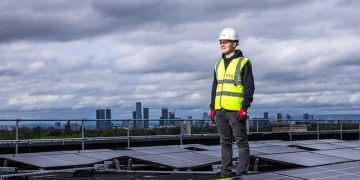
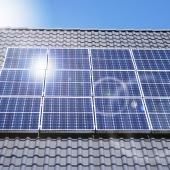
When embarking on your journey to integrate solar energy into your home, it’s essential to grasp the nuances of installation and maintenance. Solar panel installation is not a one-size-fits-all process; it involves careful consideration of several factors that are unique to your home. Begin by assessing the orientation and tilt of your roof, as these can significantly impact the efficiency of your panels. Next, evaluate the available sunlight and potential obstructions such as trees or buildings that may cast shadows. Consulting with a professional installer can provide insights tailored to your specific situation and help optimize your setup.
- Roof Assessment: Ensure your roof is structurally sound and can support the weight of solar panels.
- System Sizing: Calculate your energy needs to determine the appropriate size of your solar system.
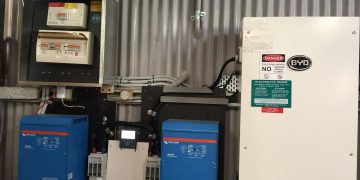
- Inverter Choice: Choose between string inverters or microinverters based on your energy goals and budget.
Maintaining your solar panels is just as critical as the installation. Regular inspections help identify issues like dirt accumulation or damaged panels, which can hinder performance. Cleaning the panels periodically, especially in areas prone to dust or bird droppings, will ensure maximum sunlight absorption. Additionally, monitoring system performance through apps or inverters helps detect any anomalies early on. With a combination of professional check-ups and simple DIY maintenance, your solar system can continue to operate efficiently, providing sustainable energy for years to come.
Maximizing Energy Efficiency with Solar Technology
Incorporating solar technology into your home is not just an eco-friendly choice; it’s a savvy move towards energy efficiency. By leveraging the power of the sun, homeowners can significantly reduce their reliance on traditional energy sources. To embark on this sustainable journey, consider the following steps to ensure a smooth transition:
- Evaluate Your Energy Needs: Start by assessing your household’s energy consumption. Understanding your usage patterns will help determine the size and type of solar system you require.
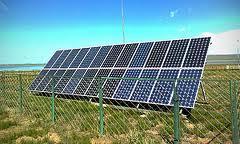
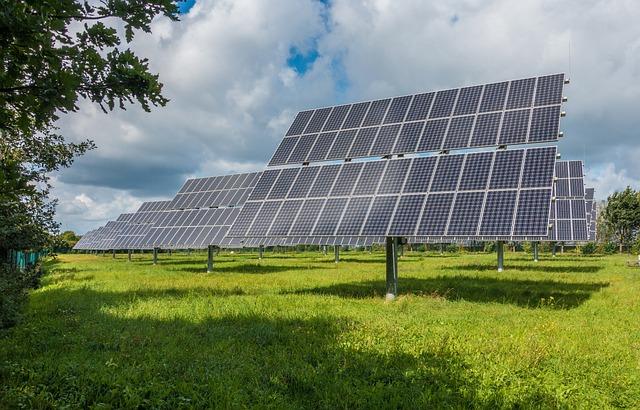
- Site Assessment: Analyze your property for the best solar installation spots. South-facing roofs generally receive the most sunlight, but ground-mounted systems can be a viable option if roof space is limited.
- Choose the Right System: Select between grid-tied, off-grid, or hybrid systems. Each has its own advantages, from cost savings to energy independence.
- Explore Incentives and Financing: Take advantage of government incentives and financing options to reduce upfront costs. Many programs offer tax credits or rebates for solar installations.
Adopting solar technology not only maximizes energy efficiency but also enhances your home’s value and resilience. By taking these initial steps, you can seamlessly integrate solar power into your lifestyle, paving the way for a greener future.
Navigating Solar Incentives and Financing Options
Understanding the array of solar incentives and financing options available can significantly reduce the cost of transitioning to solar energy. Homeowners can explore various programs such as federal tax credits, which allow a percentage of the installation costs to be deducted from your taxes. Many states also offer additional rebates or incentives that can be stacked with federal benefits to maximize savings. Additionally, local utility companies often have their own rebates or performance-based incentives that reward you for the energy your system produces.
When it comes to financing, there are several routes you can take to make solar power more affordable. Consider these options:
- Solar Loans: Similar to a home improvement loan, these allow you to borrow money specifically for your solar installation and pay it back over time.
- Power Purchase Agreements (PPAs): With a PPA, a third party installs and owns the solar panels, and you pay for the electricity generated at a fixed rate.
- Leasing: This option involves paying a monthly fee to use the solar system, often with little or no upfront costs.
Exploring these options can ease the financial burden and set you on the path to sustainable, cost-effective energy for your home.
To Wrap It Up
As the sun sets on our exploration of harnessing solar power for your home, it’s clear that the journey toward sustainable energy is both a rewarding and illuminating path. By taking the first steps toward installing solar panels, you are not just investing in a cleaner future, but also in the empowerment that comes with self-sufficiency and resilience. Whether you’re driven by the desire to reduce your carbon footprint, cut down on electricity bills, or simply embrace the innovation of renewable energy, solar power offers a bright solution tailored to your needs.
Remember, every ray of sunlight captured is a step toward a more sustainable tomorrow. As you embark on this solar journey, may your home shine brightly, reflecting not just the energy of the sun, but also the spirit of progress and possibility. Let the warmth of solar energy fill your home and your heart, lighting the way to a greener future.