



In a world increasingly powered by sustainable energy, the sun shines brightly as an untapped reservoir of potential right above our heads. For many eco-conscious homeowners, the idea of harnessing this celestial powerhouse through solar panels is both a tantalizing and practical prospect. But as the DIY movement continues to gain momentum, the question arises: Should you take on the challenge of installing your own solar panels, or leave it to the professionals? In this exploration of the pros and cons of DIY solar panel installation, we delve into the sunny side of energy independence and cost savings, while also considering the cloudy complexities and potential pitfalls. Whether you’re a seasoned handyman or a curious beginner, join us as we illuminate the path toward making an informed decision about your solar journey.
Understanding the Appeal of DIY Solar Projects
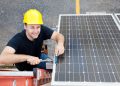
There’s something inherently satisfying about rolling up your sleeves and tackling a project yourself, and solar panel installation is no exception. For many, the allure lies in the combination of self-reliance, environmental stewardship, and potential cost savings. When you embark on a DIY solar journey, you take control over your energy consumption and reduce your carbon footprint, all while engaging in a rewarding learning experience. The thrill of seeing your first kilowatt-hour generated by your own handiwork can be immensely gratifying.
- Cost Efficiency: By sourcing materials and installing panels yourself, you can potentially save on labor costs, which can constitute a significant portion of professional installations.
- Customization: DIY allows for a personalized setup, tailoring the system to fit your specific energy needs and aesthetic preferences.
- Skill Development: Engaging in a solar project enhances your technical skills and understanding of renewable energy technologies.
Potential Pitfalls and Challenges in Self-Installation
While the allure of a DIY solar panel installation might seem tempting, there are several challenges that one might face during the process. First and foremost, the complexity of solar systems requires a certain level of technical expertise. Without prior experience or adequate knowledge, individuals might find themselves overwhelmed with tasks such as wiring, mounting, and configuring the system. Improper installation could not only lead to inefficient energy production but also pose safety risks.
Moreover, navigating local regulations and obtaining the necessary permits can be a daunting task. Many regions have specific guidelines regarding solar panel installations, and failing to comply can result in fines or forced removal of the panels. Other potential issues include:
- Roof Integrity: Incorrect installation can damage the roof, leading to leaks or structural issues.
- Warranty Concerns: Self-installation might void warranties, leaving you unprotected against defects or malfunctions.
- Tool and Equipment Requirements: Specialized tools may be required, which could be an additional expense if not already owned.
These challenges highlight the importance of thorough research and preparation before embarking on a DIY solar project.
Maximizing Efficiency: Tips for Successful DIY Solar Setup
Embarking on a DIY solar project can be an exciting venture that offers both environmental benefits and potential cost savings. However, ensuring the setup process is efficient requires careful planning and execution. Here are some essential tips to help streamline your solar installation journey:
- Research and Educate Yourself: Knowledge is power. Invest time in understanding solar technology, local regulations, and the intricacies of solar panel installation. This will help you avoid common pitfalls and make informed decisions.
- Choose the Right Equipment: Quality matters. Opt for reputable brands and high-efficiency panels. Consider the long-term reliability and performance of the components to ensure a robust setup.
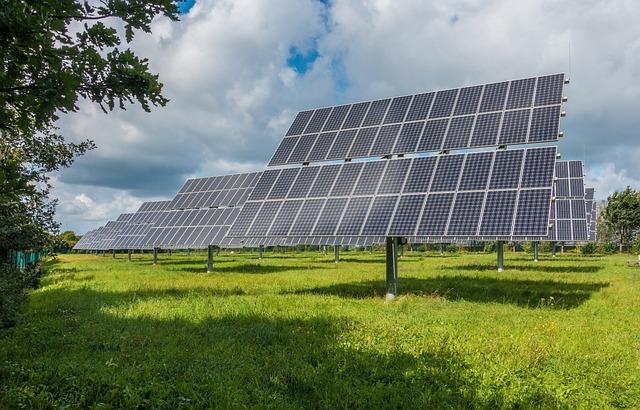
- Optimize Panel Placement: Maximize sunlight exposure by carefully analyzing your property’s sun patterns. Ensure panels are free from obstructions like trees or buildings, and aim for a south-facing orientation if you’re in the northern hemisphere.
- Consider Professional Guidance: While DIY can be rewarding, consulting with a solar professional for design and safety checks can prevent costly mistakes and ensure compliance with local codes.
- Maintain and Monitor: Once installed, regular maintenance and monitoring are crucial. Keep panels clean and check system performance to ensure it operates at peak efficiency.
By following these strategies, you’ll be better equipped to manage your DIY solar project efficiently, ensuring it meets your energy needs and contributes positively to your sustainability goals.

When to Call in the Experts for Solar Panel Installation
While the allure of a DIY solar panel installation might seem tempting due to potential cost savings and the satisfaction of completing a project yourself, there are situations where enlisting the help of professionals is the wiser choice. Here are a few scenarios when you should consider calling in the experts:
- Complex Roof Structures: If your roof is steep, made of fragile materials, or has an unusual shape, professional installers have the necessary skills and equipment to navigate these challenges safely and efficiently.
- Electrical Expertise Required: Connecting solar panels to your home’s electrical system can be complex and risky without proper knowledge. Certified installers ensure that the system is connected correctly and complies with all safety standards.
- Warranty and Insurance: Professional installation often comes with warranties and insurance coverage, providing peace of mind that your investment is protected against potential defects or damage during installation.
By recognizing these situations, you can make an informed decision about when to rely on professional expertise, ensuring that your solar panel system is installed safely and optimally for long-term performance.
Key Takeaways
As we draw the curtains on our exploration of the pros and cons of DIY solar panel installation, it becomes clear that the path to harnessing the sun’s power is paved with both opportunities and challenges. Whether you’re an intrepid innovator ready to roll up your sleeves or a cautious planner weighing every detail, the choice to go DIY is as personal as the energy it seeks to capture. From potential cost savings and the satisfaction of self-reliance to the technical hurdles and time investment, the decision rests in the balance of your priorities and capabilities.
Ultimately, the allure of solar energy is undeniable, offering a chance to step towards sustainability and independence. But as with any venture into the unknown, it’s crucial to tread with both curiosity and caution. So, as you stand at the crossroads of decision, armed with insights and inspiration, may your journey towards a brighter, greener future be as enlightening as the sunlit days that await.