






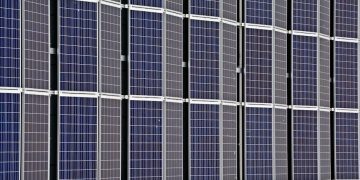
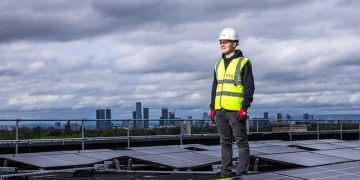




In recent years, the horizon of urban landscapes has begun to shimmer with the promise of a sustainable future, as solar panels gleam atop rooftops and line the outskirts of burgeoning cities. The solar industry, once a niche market, has burgeoned into a formidable force driving the green revolution. However, as cities race to embrace this clean energy source, a new question emerges from the shadows of progress: Is the rapid growth of the solar industry inadvertently fueling unsustainable urban development? This article delves into the intricate dance between the allure of renewable energy and the complexities of urban expansion, exploring whether the path to a greener future is as clear-cut as it seems, or if it is fraught with unintended consequences that may undermine the very sustainability it seeks to champion.
Solar Expansion and Urban Strain
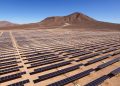
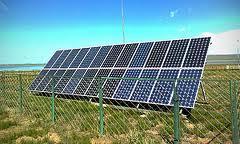
As the demand for renewable energy surges, the solar industry has emerged as a frontrunner, with its rapid growth reshaping urban landscapes. While solar farms and installations present a promising solution to energy crises, they also introduce challenges that cities must address to ensure sustainable development. Urban planners are now grappling with the delicate balance of integrating expansive solar infrastructure without compromising on the essential green spaces and community areas that enhance city life. This tension highlights the need for innovative urban design strategies that harmonize the benefits of solar energy with the preservation of urban livability.
- Space Allocation: As cities expand, the allocation of land for solar projects often competes with residential and commercial needs.
- Environmental Impact: While solar energy reduces carbon footprints, large installations can disrupt local ecosystems and biodiversity.
- Community Engagement: Effective urban planning must consider public opinion and involve community stakeholders in decision-making processes.
- Infrastructure Integration: The challenge lies in seamlessly integrating solar technology into existing urban infrastructure without overwhelming it.
Addressing these challenges requires a collaborative approach involving policymakers, urban developers, and the solar industry itself. By embracing forward-thinking solutions, cities can not only harness the power of the sun but also cultivate environments that are both sustainable and vibrant.

Balancing Green Energy with Urban Planning
As cities race towards a greener future, the surge in solar energy adoption presents both opportunities and challenges for urban planning. On one hand, solar power offers a sustainable alternative to fossil fuels, reducing carbon footprints and promoting environmental health. However, the rapid expansion of the solar industry raises questions about its impact on urban landscapes and infrastructure. Balancing these priorities requires innovative strategies and thoughtful integration of solar technology into urban development plans.
- Space Utilization: The installation of solar panels demands significant space, often leading to conflicts over land use in densely populated areas.
- Aesthetic Considerations: Maintaining the visual harmony of urban environments while incorporating large-scale solar arrays can be challenging.
- Infrastructure Integration: Cities must adapt existing infrastructure to support new energy systems without compromising functionality or accessibility.
Urban planners must engage in cross-disciplinary collaboration with architects, engineers, and environmentalists to ensure that solar energy solutions are both effective and sustainable. By fostering a holistic approach, cities can leverage solar power as a catalyst for growth that aligns with broader urban development goals, creating resilient and vibrant communities for future generations.

Harnessing Solar Potential without Compromising Urban Spaces
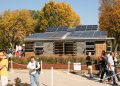
In the quest for cleaner energy solutions, urban areas are turning to innovative approaches to incorporate solar energy into their landscapes. One promising avenue is the integration of solar technology into existing infrastructure. By embedding solar panels into rooftops, facades, and even roadways, cities can generate renewable energy without expanding their physical footprint. This not only optimizes the available space but also preserves the aesthetic and functional integrity of urban environments.
Moreover, urban planners and architects are exploring creative designs that blend solar elements seamlessly into cityscapes. Green roofs with solar panels, solar canopies in parking lots, and transparent photovoltaic windows are just a few examples. These solutions not only contribute to energy independence but also enhance the sustainability profile of urban areas. By reimagining how solar technology is deployed, cities can grow their energy capabilities while maintaining the delicate balance between development and environmental stewardship.
Strategic Recommendations for Sustainable Solar Growth
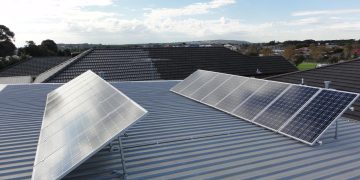
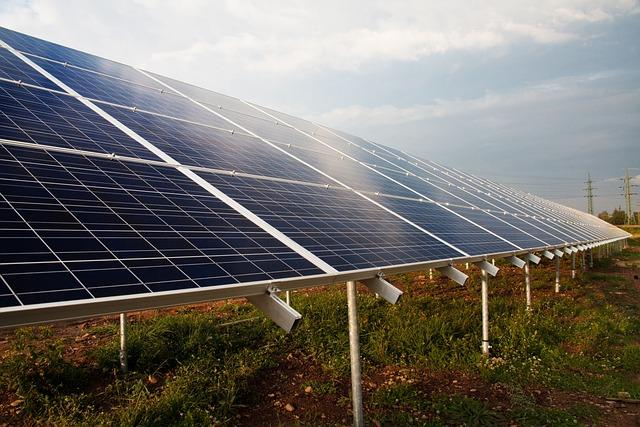
To ensure that the rapid expansion of the solar industry aligns with sustainable urban development, several key strategies should be considered. Prioritizing rooftop solar installations can mitigate the need for large-scale land usage, preserving green spaces and reducing habitat disruption. Additionally, integrating solar panels into urban infrastructure—such as building facades, parking lots, and transit systems—can maximize energy generation without expanding urban sprawl.
- Implement comprehensive zoning policies: Encourage solar installations in designated areas that balance energy needs with environmental protection.
- Promote community solar projects: Enable shared solar systems to provide energy to multiple users, reducing the need for extensive land development.
- Encourage public-private partnerships: Collaborate with private sectors to innovate and finance sustainable solar solutions.
- Foster technological innovation: Invest in research and development to improve solar efficiency and integration with urban planning.
By adopting these strategies, the solar industry can continue to grow while contributing positively to sustainable urban environments, ensuring that progress does not come at the expense of ecological and community well-being.
The Way Forward
As we stand at the crossroads of innovation and sustainability, the solar industry’s remarkable growth presents both a beacon of hope and a call for caution. While the promise of clean energy beckons us toward a brighter, more sustainable future, it also compels us to scrutinize the shadows it may cast on urban development. The challenge before us is to harness this radiant potential without overshadowing the very landscapes we seek to preserve.
In this delicate balance between progress and preservation, the dialogue must continue, inviting voices from all corners—urban planners, environmentalists, policymakers, and the communities themselves. Together, we can illuminate a path that not only powers our cities but also respects their unique character and ecological integrity. As we look to the horizon, let us remain vigilant, ensuring that the march toward a solar-powered world does not eclipse the foundational principles of sustainable development. The future, after all, should be as bright as it is balanced.