













In a world increasingly powered by sustainable energy, businesses are turning their gaze skyward, seeking solutions in the vast expanse of sunlight that bathes our planet each day. Commercial solar systems have emerged as a beacon of opportunity, promising not only to reduce carbon footprints but also to illuminate the path to financial efficiency. Yet, as with any significant investment, the key to unlocking their full potential lies in understanding the return on investment (ROI) they offer. This article embarks on a journey through the sunlit landscape of commercial solar systems, exploring how they can transform overhead costs into a reservoir of savings and long-term value. Join us as we delve into the metrics, benefits, and strategic considerations that define the ROI of these powerful energy solutions, illuminating the way for businesses ready to harness the sun’s bounty.
Evaluating Initial Investment and Long-term Savings
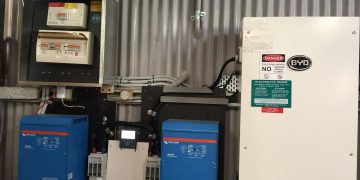
When considering the transition to commercial solar systems, it’s essential to weigh the initial outlay against potential long-term savings. Initial investment typically includes costs for solar panels, inverters, mounting equipment, and installation services. While this upfront expenditure can be significant, numerous financial incentives and tax benefits can help mitigate these costs. In many regions, businesses can take advantage of federal tax credits, state rebates, and accelerated depreciation benefits, which collectively can reduce the initial financial burden substantially.
Beyond the initial expenses, long-term savings are where solar systems truly shine. By harnessing renewable energy, businesses can significantly lower or even eliminate their electricity bills. Over time, this can translate to substantial savings, especially as energy prices continue to rise. Furthermore, investing in solar can also lead to additional financial benefits, such as:
- Enhanced property value due to sustainable upgrades.
- Reduced carbon footprint, aligning with corporate social responsibility goals.
- Potential revenue from selling excess energy back to the grid.
This strategic investment not only offers a promising return but also positions businesses as forward-thinking and environmentally conscious entities.

Maximizing Efficiency through Strategic System Design
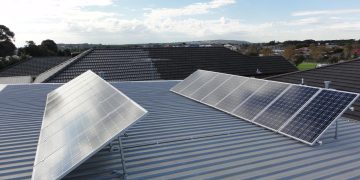
In the quest for energy independence and sustainability, businesses are increasingly turning to commercial solar systems. By implementing a strategic system design, companies can significantly enhance the return on investment (ROI) of their solar installations. The key lies in a holistic approach that integrates solar technology with the existing infrastructure and operational demands. This involves evaluating energy consumption patterns, optimizing panel placement, and ensuring seamless integration with energy storage solutions.
- Customized Energy Solutions: Tailor the solar design to meet specific energy needs, ensuring maximum efficiency and cost-effectiveness.
- Advanced Monitoring Systems: Implement real-time tracking to adjust and optimize performance, addressing any inefficiencies promptly.
- Scalability and Flexibility: Design systems with future expansion in mind, allowing for easy upgrades as energy demands grow.
By focusing on these critical areas, businesses can not only reduce their carbon footprint but also achieve substantial financial savings. This strategic approach ensures that solar investments are not just environmentally sound but also economically advantageous, paving the way for a sustainable future.

Incentives and Rebates: Boosting Your Solar ROI
Maximizing your investment in commercial solar systems can be significantly enhanced by taking advantage of various incentives and rebates available. Governments and local authorities often provide financial perks to encourage businesses to adopt renewable energy solutions. These can range from tax credits, which directly reduce the amount of tax you owe, to direct rebates, where you receive a cash payment post-installation. In some cases, these incentives can cover a substantial portion of the installation costs, thereby accelerating your return on investment.
- Federal Tax Credits: These can often account for up to 30% of the installation cost.
- State Rebates: Vary by location, but some states offer generous rebates that can significantly reduce upfront costs.
- Local Incentives: Some municipalities offer additional rebates or tax breaks for solar installations.
- Renewable Energy Certificates (RECs): Sellable credits for each megawatt-hour of renewable energy generated, offering an ongoing revenue stream.
By strategically leveraging these incentives, businesses not only reduce the initial financial burden but also enhance their long-term savings, ensuring a robust and attractive solar ROI. Staying informed and consulting with a solar expert can help navigate the myriad of options and optimize the financial benefits of your solar investment.
Assessing Market Trends and Future Energy Costs
In today’s rapidly evolving energy landscape, understanding how market trends influence the future of energy costs is crucial for businesses considering commercial solar systems. As global efforts intensify towards reducing carbon footprints, the shift towards renewable energy sources like solar power is not just a trend but a necessary transition. The fluctuating costs of fossil fuels and the increasing demand for sustainable energy solutions are key factors driving this change. Businesses can anticipate potential savings and strategic advantages by staying informed about these shifts. Monitoring government policies, technological advancements, and industry innovations can provide insights into future energy pricing and help in making informed decisions about solar investments.
- Government Incentives: Keep an eye on tax credits, grants, and subsidies that can significantly lower initial costs.
- Technological Advancements: Advancements in solar panel efficiency and storage solutions can enhance ROI.
- Global Energy Demand: A growing emphasis on sustainability increases the viability of solar investments.
By evaluating these trends, businesses can better predict future energy costs and assess the return on investment of solar systems, ensuring a financially sound and environmentally responsible choice.
In Retrospect
In the ever-evolving landscape of renewable energy, understanding the ROI of commercial solar systems emerges as both an art and a science. As businesses strive to harness the power of the sun, they find themselves at the intersection of environmental stewardship and financial acumen. The journey to solar investment is paved with promising horizons, where initial costs transform into long-term gains, and sustainable practices align with fiscal responsibility.
As the sun sets on our exploration of commercial solar ROI, it is clear that the benefits extend beyond the balance sheet. This venture not only illuminates a path toward reduced energy costs but also champions a commitment to a greener future. In this delicate dance between innovation and investment, businesses are empowered to make informed decisions that reflect both their economic and ecological values.
Thus, as you ponder the potential of solar energy for your enterprise, remember that each solar panel installed is not merely a financial decision, but a beacon of progress, lighting the way to a sustainable tomorrow.