







In an age where the sun’s rays can power our homes and devices, smart solar systems are emerging as a beacon of sustainable living. These innovative systems promise not only to reduce electricity bills but also to shrink our carbon footprint. However, as they illuminate our homes with green energy, they also cast a shadow of concern over privacy. With advanced technologies monitoring and managing energy consumption, questions arise: Are we unwittingly trading personal privacy for environmental progress? This article delves into the heart of this modern conundrum, exploring whether the benefits of smart solar systems come at the cost of our private lives. Join us as we unravel the complexities of this issue, shedding light on the balance between eco-friendly innovation and the sanctity of personal data.
Understanding the Data Flow in Smart Solar Systems
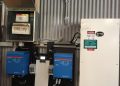
The intricate data flow within smart solar systems is a testament to the innovation driving modern energy solutions. These systems rely on a network of sensors and devices to collect and transmit data, ensuring optimal energy efficiency and management. Data is gathered from various sources, such as solar panels, inverters, and weather stations, and is often sent to a central hub or cloud platform for processing. Here, the information is analyzed to provide insights into energy consumption patterns, system performance, and potential maintenance needs.
However, this flow of information raises questions about data privacy. Homeowners should be aware of the types of data being collected, which may include:
- Energy usage patterns that can reveal personal habits and routines.
- Device performance metrics indicating the health and efficiency of solar equipment.
- Environmental data such as sunlight exposure and weather conditions.
Understanding these aspects of data flow is crucial for homeowners to make informed decisions about their smart solar systems, balancing the benefits of technology with the need for privacy.
Potential Privacy Risks and Vulnerabilities in Home Energy Management
As homeowners increasingly turn to smart solar systems for their energy needs, the integration of these technologies into daily life introduces a new array of potential vulnerabilities. Data security is a primary concern, as these systems often collect and transmit information about energy usage patterns, household behaviors, and even occupancy status. This data, if not properly safeguarded, can be an attractive target for cybercriminals looking to exploit personal information.
Moreover, the interconnected nature of smart home devices can amplify these risks. A breach in one system could potentially expose others, leading to broader security issues. Common vulnerabilities include:
- Inadequate encryption methods
- Weak authentication protocols
- Outdated software and firmware
- Third-party app integrations without proper vetting
Addressing these risks requires a proactive approach, including regular updates, strong passwords, and careful management of access permissions to ensure that the benefits of smart solar systems do not come at the cost of privacy.
Balancing Efficiency and Privacy: What Homeowners Need to Know
As smart solar systems become increasingly popular among environmentally conscious homeowners, the delicate balance between efficiency and privacy comes into sharp focus. On one hand, these systems offer significant benefits such as reduced energy bills, real-time monitoring, and optimized energy consumption. On the other hand, the integration of smart technology often requires access to a wealth of personal data, raising concerns about how this information is collected, stored, and potentially shared.
- Data Collection: Smart solar systems gather data on energy usage patterns, which can inadvertently reveal household habits and routines.
- Connectivity Risks: As these systems are often connected to home networks, they may become vulnerable to cyber threats if not properly secured.
- Third-Party Access: Some solar providers might share user data with third parties, making it crucial for homeowners to understand privacy policies and opt-out options.
To safeguard privacy while enjoying the benefits of smart solar technology, homeowners are encouraged to explore security features, regularly update software, and choose providers with transparent privacy practices. Striking this balance is essential for those looking to embrace the future of sustainable living without compromising their personal space.
Practical Steps for Safeguarding Your Smart Solar System
To ensure your smart solar system remains secure, begin by implementing strong passwords for all related accounts and devices. Regularly update these passwords to prevent unauthorized access. It’s also crucial to keep your system’s software up-to-date; manufacturers frequently release updates that patch vulnerabilities and enhance security features. Consider enabling two-factor authentication if available, as it adds an extra layer of protection.
Additionally, invest in a reliable firewall and antivirus software to shield your network from potential threats. Segregating your solar system on a dedicated network can further enhance its security. Here are some practical tips to help you safeguard your system:
- Disable unnecessary features or services that you do not use.
- Regularly review and manage user permissions to ensure only authorized individuals have access.
- Conduct periodic security audits to identify and rectify any vulnerabilities.
- Stay informed about the latest cybersecurity trends and threats that could impact your system.
In Summary
In the ever-evolving landscape of technology, the smart solar system stands as a beacon of innovation, promising both environmental and economic benefits. Yet, as we have explored, this promise does not come without its shadows. The intersection of advanced energy solutions and personal privacy invites a dialogue that is as essential as it is complex. As homeowners weigh the advantages of smart solar systems, they must also consider the implications on their privacy, seeking a balance between progress and protection. The future of smart solar technology will undoubtedly continue to shine brightly, but it will require vigilance and thoughtful consideration to ensure that the light it casts is one of empowerment rather than intrusion. As we move forward, the challenge remains: how do we harness the sun’s power while safeguarding our own? Only time will tell, but one thing is clear—our choices today will shape the privacy landscape of tomorrow.