












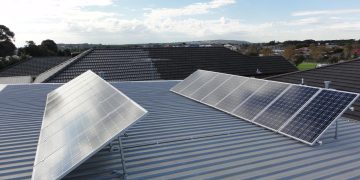







In the vast expanse of the energy landscape, solar power has emerged as a beacon of hope, promising a cleaner, more sustainable future. As sunlight dances across solar panels worldwide, a complex tapestry of financial incentives is at play beneath the surface. At the heart of this intricate web lies a pivotal question: are government subsidies fueling an authentic surge in solar markets, or are they crafting an artificial boom destined to wane with the withdrawal of support? This article embarks on a journey through the solar market‘s bright and shadowed alleys, exploring the role subsidies play in shaping its trajectory and pondering the sustainability of its current growth. Join us as we delve into the delicate balance between fostering innovation and maintaining market integrity in the ever-evolving world of solar energy.
Subsidies and Solar: Driving Growth or Inflating a Bubble
The impact of subsidies on the solar industry is a multifaceted topic, intertwining economics, environmental policy, and market dynamics. On one hand, subsidies can be seen as a catalyst for the rapid expansion of solar technology, encouraging innovation and reducing the costs for consumers. These financial incentives often lead to increased investments in solar infrastructure, fostering a competitive market that drives technological advancements. As governments across the globe commit to reducing carbon emissions, subsidies play a crucial role in aligning market incentives with environmental goals.
However, critics argue that subsidies might be inflating a market bubble, creating an unsustainable growth pattern reminiscent of past economic pitfalls. They caution that the reliance on government support can mask the true market value of solar technologies, potentially leading to a sudden collapse if subsidies are reduced or withdrawn. This concern raises questions about the long-term viability of the solar market without financial support. Key considerations include:
- Market Distortion: Subsidies may distort the market by favoring solar over other potentially viable renewable technologies.
- Investment Risks: Investors might face heightened risks if the market correction occurs abruptly once subsidies decrease.
- Dependency Issues: The solar industry’s reliance on subsidies could stifle innovation in cost-reduction and efficiency improvements.
Balancing these factors is crucial to ensure that subsidies not only drive growth but also support a sustainable and resilient solar industry. The debate continues as policymakers and industry leaders weigh the benefits of accelerated growth against the potential for market instability.

Evaluating the True Impact of Government Incentives on Solar Energy
When analyzing the influence of government incentives on solar energy, it’s crucial to distinguish between genuine growth and temporary market fluctuations. Government subsidies, such as tax credits and rebates, often aim to accelerate adoption and make solar technology accessible. While these measures can significantly boost market activity, there’s a risk of creating dependency. A market reliant on incentives might falter when these supports are withdrawn, leading to concerns about long-term sustainability. To truly understand the impact, one must consider whether these incentives lead to technological innovation or merely inflate short-term sales figures.
Several factors contribute to this complex equation:
- Investment in Research and Development: Are subsidies encouraging companies to innovate, or are they simply supporting existing technologies?
- Market Maturity: How developed is the solar market without subsidies, and can it stand on its own?
- Consumer Behavior: Do incentives merely entice temporary interest, or do they foster lasting consumer commitment to solar energy?
Ultimately, the true impact of government incentives will depend on their ability to transition from a catalyst to a stable foundation for the solar industry.

Balancing Act: Ensuring Sustainable Growth in the Solar Sector
The solar sector has been experiencing unprecedented growth, largely fueled by government subsidies aimed at promoting renewable energy adoption. However, these subsidies may be creating an artificial boom, masking the sector’s true potential and sustainability. As we navigate this landscape, it’s crucial to consider whether the incentives are fostering genuine, long-term industry health or merely inflating numbers temporarily.
Key considerations include:
- Market Dependency: Are companies relying too heavily on subsidies rather than innovation and cost reduction?
- Investment Stability: How stable are investments when subsidy programs are subject to political and economic shifts?
- Consumer Impact: What happens to consumer interest and affordability when subsidies phase out?
Balancing these elements requires a careful approach, ensuring that growth is sustainable and not just a fleeting peak driven by temporary financial incentives. The future of the solar market may well depend on finding this equilibrium.

Strategic Recommendations for a Resilient Solar Future
In the quest for a resilient solar future, a few strategic recommendations stand out as crucial. First, diversifying financial incentives can help balance the market dynamics, ensuring that solar investments remain robust even if subsidies fluctuate. This involves exploring options like tax credits, low-interest loans, and innovative financing models that attract a broader range of investors.
Additionally, fostering a culture of innovation within the solar industry is essential. By investing in research and development, the industry can drive technological advancements that reduce costs and improve efficiency. Key areas of focus could include enhancing energy storage solutions, improving photovoltaic technology, and developing smart grid systems. Encouraging collaboration between governments, private sector stakeholders, and academic institutions can further accelerate these advancements. The collective effort to embrace a long-term vision will be pivotal in establishing a sustainable and resilient solar market.
The Way Forward
In the ever-evolving landscape of energy, the interplay between subsidies and the solar market is akin to a delicate dance, each step crucial in defining the rhythm of progress. As we peer into the horizon, the glow of solar panels continues to punctuate our skylines, their presence a testament to both innovation and intervention. While subsidies undeniably propel the solar industry forward, they also pose questions about sustainability and market autonomy. As policymakers, industry leaders, and consumers navigate this complex terrain, the challenge remains to strike a balance that fosters genuine growth while safeguarding against the pitfalls of artificial inflation. Ultimately, the true measure of success will lie in our ability to harmonize ambition with reality, ensuring that the solar boom shines bright and true for generations to come.