






In the ever-evolving landscape of renewable energy, the sun has long been hailed as a potent ally, offering an abundant and clean source of power. Yet, as we strive to harness its full potential, a new player has emerged to revolutionize the solar energy sector: artificial intelligence. Once the domain of science fiction, AI is now a transformative force, reshaping how we capture, store, and utilize solar energy. By seamlessly integrating advanced algorithms with cutting-edge technology, AI is not just optimizing efficiency but also paving the way for a smarter, more sustainable future. This article delves into the myriad ways AI is reinventing solar energy systems, promising innovations that could redefine our relationship with the sun.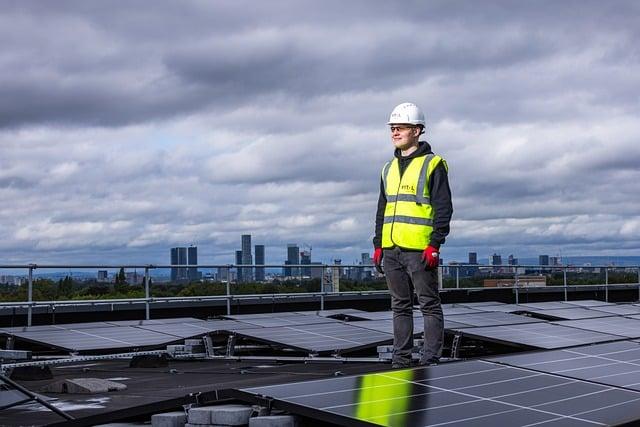
Harnessing Intelligent Forecasting for Enhanced Solar Efficiency
In the rapidly evolving field of solar energy, the integration of AI-driven forecasting tools has emerged as a game-changer, driving significant improvements in efficiency and reliability. By leveraging intelligent algorithms and vast datasets, these tools can predict solar irradiance with remarkable accuracy. This capability is crucial for optimizing the performance of solar panels, as it allows for dynamic adjustments in energy distribution and storage, ensuring that solar systems operate at peak efficiency.
Key benefits of intelligent forecasting in solar energy systems include:
- Improved Energy Management: Accurate predictions enable better planning and management of energy resources, reducing waste and maximizing output.
- Cost Savings: By optimizing energy production and storage, solar systems can significantly lower operational costs.
- Enhanced Grid Stability: Reliable forecasts contribute to maintaining a stable energy grid, as they facilitate better integration of solar power with existing energy infrastructures.

Optimizing Energy Storage Solutions with AI Innovations
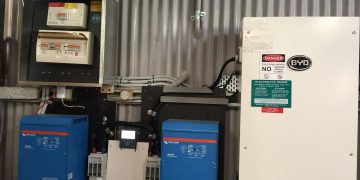
In the realm of solar energy, the integration of artificial intelligence is proving to be a game-changer, particularly in enhancing energy storage solutions. AI algorithms are being employed to predict energy demand and optimize the storage capacity, ensuring that solar power is utilized to its fullest potential. By analyzing patterns in weather data and energy consumption, these intelligent systems can anticipate fluctuations and adjust the storage and distribution of energy accordingly. This not only maximizes efficiency but also reduces waste, making solar energy a more reliable and sustainable option.
Furthermore, AI-driven solutions offer several advantages for energy storage systems:
- Real-time monitoring: Continuous data analysis allows for immediate adjustments and troubleshooting, enhancing the longevity of storage systems.
- Predictive maintenance: AI can forecast potential failures and suggest timely interventions, minimizing downtime and repair costs.
- Cost efficiency: By optimizing the charge and discharge cycles, AI reduces operational costs and improves the return on investment.
As these innovations continue to evolve, they pave the way for more resilient and efficient solar energy systems, making clean energy a viable choice for the future.

Revolutionizing Maintenance with Predictive Analytics
In the realm of solar energy, predictive analytics is the unsung hero driving efficiency and sustainability. Artificial Intelligence (AI) leverages vast amounts of data from solar panels, weather forecasts, and historical performance metrics to predict potential failures before they occur. This proactive approach ensures that maintenance is not only timely but also cost-effective, significantly reducing downtime and maximizing energy output.
- Enhanced Efficiency: By analyzing performance patterns, AI identifies inefficiencies and suggests optimizations.
- Cost Savings: Predictive maintenance reduces the need for frequent, costly inspections and repairs.
- Improved Reliability: Early detection of issues prevents unexpected breakdowns, ensuring consistent energy supply.
Through these advancements, solar energy systems are not just maintained—they are transformed into self-regulating entities that adapt to environmental and operational changes, heralding a new era of energy management.

Empowering Grid Management through AI Integration
Artificial Intelligence is revolutionizing the management of solar energy systems by enabling smarter, more efficient grid operations. Through AI-driven analytics, energy providers can now predict energy demand with unprecedented accuracy, allowing for optimized distribution of solar power across the grid. This predictive capability ensures that energy surpluses and shortages are effectively managed, reducing waste and enhancing the reliability of solar energy sources.
- Enhanced Forecasting: AI algorithms analyze weather patterns and historical data to predict solar energy production, helping operators plan better.
- Real-time Monitoring: Continuous data collection from solar panels and inverters provides instant insights, enabling quick adjustments to maintain grid stability.
- Smart Grid Solutions: Machine learning models facilitate adaptive control systems that dynamically balance load and supply, optimizing energy flow.
- Automated Maintenance: AI can detect anomalies and predict equipment failures, ensuring timely interventions and minimizing downtime.
By integrating AI into grid management, solar energy systems are not only becoming more efficient but also more resilient to the challenges posed by fluctuating energy demands and environmental conditions. This technological synergy is paving the way for a sustainable future powered by renewable energy.
Wrapping Up
As the sun sets on our exploration of how AI is transforming solar energy systems, it becomes clear that we are standing at the dawn of a new era. An era where technology and nature harmoniously converge to power a more sustainable future. Artificial intelligence, with its unyielding capacity to learn and adapt, is illuminating pathways that were once shrouded in uncertainty. It optimizes efficiency, predicts challenges, and crafts solutions that are as innovative as they are indispensable.
Yet, this transformation is not merely about harnessing more power from the sun. It is about redefining how we interact with our environment, urging us to embrace a smarter, more conscious approach to energy consumption. As we move forward, the partnership between AI and solar energy will undoubtedly continue to evolve, shaping a world where the potential of renewable energy is fully realized.
In this symbiotic relationship, the promise of AI is not just in its algorithms and data but in its ability to inspire a brighter, cleaner future. And so, as we stand on the brink of these technological advancements, we are reminded that the journey of innovation is ever-evolving, ever-brightening, and infinitely promising.