






In the heart of bustling cities, where skyscrapers pierce the sky and the hum of urban life never ceases, a quiet revolution is unfolding on rooftops. Solar panels, once confined to sprawling rural landscapes and sun-drenched deserts, are now making their way into the urban fabric. As city dwellers grapple with rising energy costs and a growing environmental consciousness, the question arises: are solar panels a wise investment for urban homes? This article delves into the potential of harnessing the sun’s power amidst concrete jungles, exploring the benefits, challenges, and future prospects of solar energy in urban settings. Whether you’re a city homeowner seeking to reduce your carbon footprint or simply curious about the feasibility of solar power in metropolitan areas, join us as we illuminate the path towards a sustainable urban future.
Evaluating Rooftop Potential in Urban Landscapes
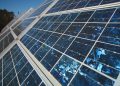
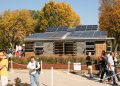
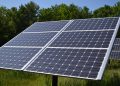
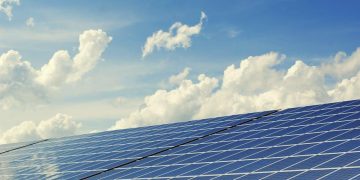
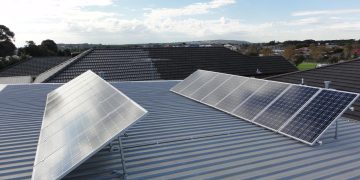
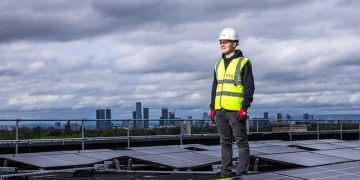
When considering the transformation of urban rooftops, one might wonder about the feasibility and benefits of solar panel installation. Urban landscapes present a unique set of challenges and opportunities for harnessing solar energy. Rooftop solar panels offer a sustainable energy solution, yet they require careful evaluation of several factors to determine their suitability for city homes.
- Sunlight Exposure: Assess the level of direct sunlight your rooftop receives. Skyscrapers and adjacent buildings can cast shadows that significantly affect solar efficiency.
- Structural Integrity: Ensure that the building’s structure can support the weight of solar panels. Consultation with a structural engineer may be necessary to confirm this.
- Local Regulations: Be aware of zoning laws and regulations that may impact the installation of solar panels in urban areas.
- Environmental Impact: Consider the reduction in carbon footprint and energy costs as significant benefits of adopting solar technology.
By meticulously evaluating these elements, homeowners can make informed decisions about integrating solar technology into their urban residences. The potential to turn a simple rooftop into a source of renewable energy is not just a possibility but a step towards a more sustainable future.
Financial Incentives and Long-term Savings for City Dwellers
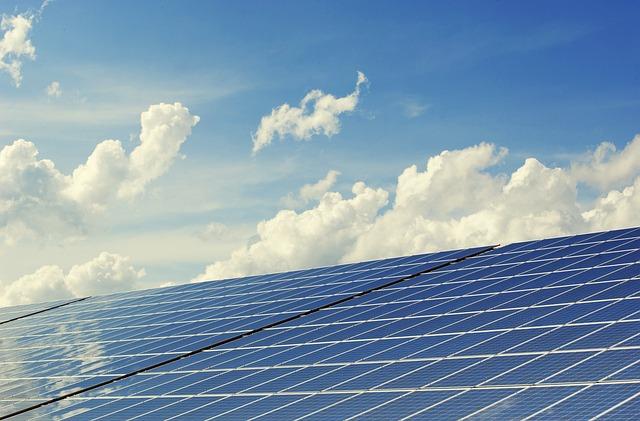
For urban homeowners, investing in solar panels is not just an environmentally conscious decision but also a financially savvy one. Cities often offer a range of financial incentives that can significantly reduce the upfront cost of solar panel installation. These incentives may include tax credits, rebates, and even zero-interest loans designed to make solar energy more accessible. Additionally, many urban areas have adopted net metering policies, allowing homeowners to earn credits for excess energy their panels produce, further enhancing the long-term financial benefits.
- Tax Credits: Federal and state tax incentives can offset initial costs.
- Rebates: Local governments may provide rebates for solar installations.
- Net Metering: Earn credits by contributing surplus energy back to the grid.
- Zero-interest Loans: Financial institutions may offer special loans for solar projects.
Moreover, solar panels can lead to substantial long-term savings by drastically reducing monthly energy bills. As energy costs continue to rise, having a solar-powered home insulates urban dwellers from fluctuating utility prices. This means more predictable monthly expenses and, over time, significant savings that can be reinvested or used for other financial goals. In densely populated areas where space is a premium, rooftop solar installations can transform otherwise unused space into a productive asset, maximizing both environmental and economic returns.
Navigating Local Regulations and Community Guidelines
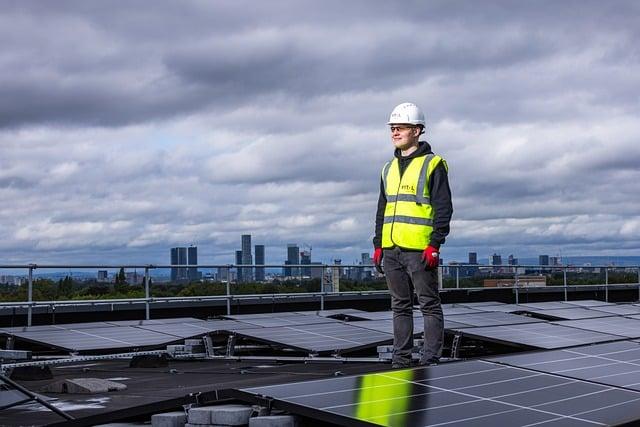
Incorporating solar panels into urban homes can be an exciting venture, but it’s crucial to understand the local regulations and community guidelines that govern their installation. Urban areas often have specific zoning laws that can affect where and how you can install solar panels. These rules may cover aspects like the panel’s orientation, maximum allowable size, and even the color to ensure they blend well with the architectural landscape. Before moving forward, it’s advisable to consult with local authorities or a solar installation expert who can navigate these requirements on your behalf.
Additionally, consider the homeowners association (HOA) or community guidelines that may influence your solar project. Many urban neighborhoods have community boards that set aesthetic and functional standards to maintain property values and community uniformity. You might need to submit detailed plans or gain approval before any installation begins. Here are some common considerations:
- Aesthetic compatibility: Ensuring panels align with the neighborhood’s visual standards.
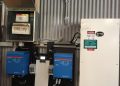
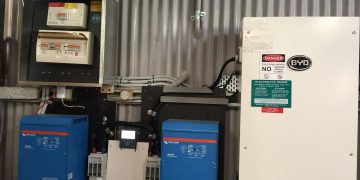
- Noise restrictions: Some areas might have limits on the noise produced by inverters.
- Shared space considerations: If your home shares walls or rooftops, additional permissions might be required.
By proactively addressing these local and community-specific issues, you can smoothly integrate solar panels into your urban home while maintaining good relations with neighbors and local authorities.

Innovative Solar Solutions for Space-constrained Environments
Urban environments, with their high-rise buildings and limited roof space, pose a unique challenge for solar panel installations. However, innovative solutions are emerging to address these constraints, making solar power more accessible to city dwellers. Flexible solar panels and solar roof tiles are at the forefront, allowing homeowners to integrate solar technology without compromising on aesthetics or space. These cutting-edge products are designed to blend seamlessly with existing structures, maximizing energy efficiency even in the most compact areas.
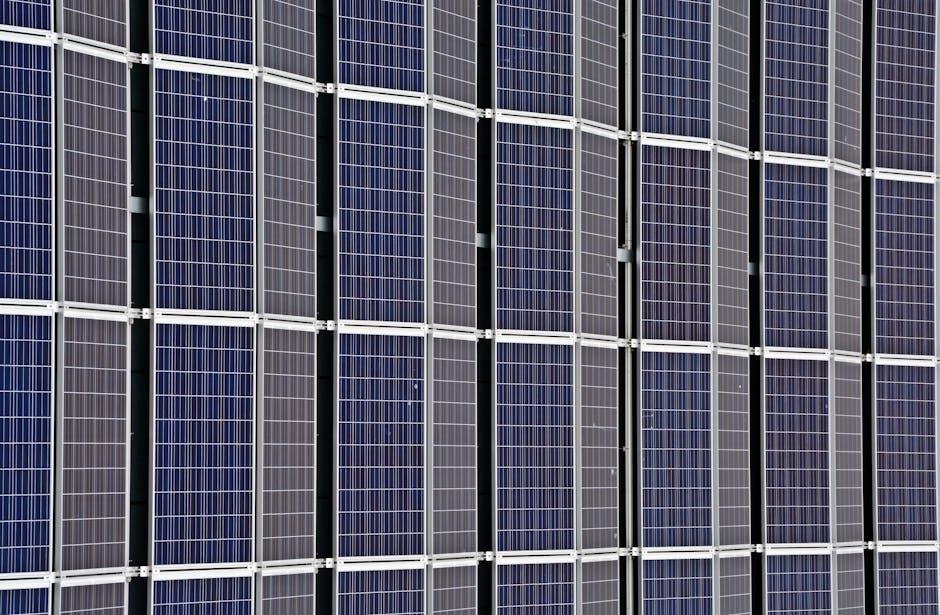
- Vertical solar installations: Ideal for the sides of buildings, these systems harness sunlight from unexpected angles.
- Solar awnings and canopies: These dual-purpose structures provide shade while generating power.
- Solar windows: Transparent solar panels that function as windows, turning sunlight into electricity without taking up extra space.
Such advancements are transforming the urban landscape, offering residents sustainable energy solutions without the need for sprawling rooftops. By reimagining how and where solar panels can be installed, urban homes can now contribute to a greener future while enjoying the benefits of renewable energy.
In Conclusion
As we draw the curtains on our exploration of solar panels in urban homes, the decision ultimately rests in your hands, much like the sun’s daily choice to rise. Urban landscapes, with their towering edifices and bustling streets, present both challenges and opportunities for solar adoption. While the promise of sustainability glimmers with each ray of sunlight, the practicality and economics cast their own shadows.
Yet, within this intricate dance of light and shade lies the potential for a brighter, greener future. As technology advances and cities evolve, the integration of solar energy might just become a natural extension of urban living. So, as you ponder the possibilities, consider not just the rooftops above but the horizon ahead, where innovation and responsibility meet in a delicate balance. Whether you choose to harness the sun’s energy today or wait for tomorrow’s innovations, the conversation itself fuels the journey toward a more sustainable urban existence.