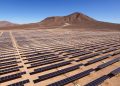



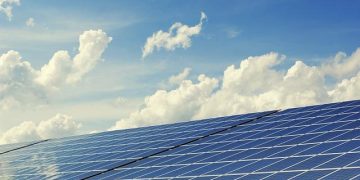

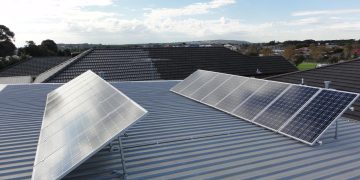
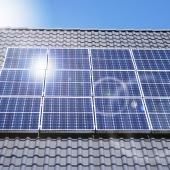




In the vast expanse of the energy landscape, where sunbeams tango with the shadows of smokestacks, a pivotal question arises: is the golden promise of solar power truly more economical than the entrenched might of fossil fuels? As the world teeters on the precipice of an energy revolution, driven by both environmental urgency and economic opportunity, this query holds the power to shape our future. Like a modern-day David and Goliath, the battle between renewable innovation and traditional energy sources unfolds in boardrooms, on rooftops, and across sprawling fields of solar panels. In this exploration, we delve into the heart of this debate, weighing the costs, benefits, and long-term implications of a solar-powered future against the legacy of fossil fuels. Whether driven by dollars or degrees of sustainability, the answer may redefine how we illuminate our world.
The Economics of Sunlight: Unpacking the Cost Dynamics
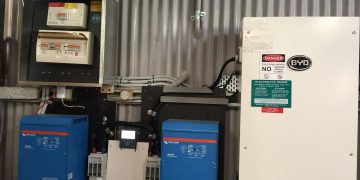
The allure of solar energy lies in its promise of an abundant, renewable resource that seemingly defies the economic shackles of traditional power generation. Yet, when we peel back the layers of its cost dynamics, a complex tapestry emerges. Initial investment in solar technology often stands as the primary barrier. Although prices for photovoltaic panels have plummeted in recent years, the upfront costs can still be daunting for both individual households and large-scale projects. Furthermore, the variability of sunlight requires supplementary systems for storage or backup, adding another layer to the financial equation.
On the flip side, solar power benefits from a myriad of economic advantages that challenge the dominance of fossil fuels:
- Zero Fuel Costs: Once installed, solar panels harness sunlight without the need for fuel, unlike coal or natural gas.
- Low Operating Costs: Maintenance is minimal compared to the intricate machinery of traditional power plants.
- Subsidies and Incentives: Many governments offer tax credits and rebates, further reducing the effective cost of solar installations.
- Energy Independence: Solar energy reduces reliance on imported fuels, insulating economies from volatile global markets.
These factors, combined with technological advancements and economies of scale, are gradually tipping the balance, making solar power not just an environmentally sound choice, but an economically viable one as well.
From Grid to Green: Evaluating Infrastructure Investments
In the dynamic arena of energy investment, the shift from traditional fossil fuels to renewable sources like solar power presents both challenges and opportunities. Solar power has emerged as a strong contender due to its potential to significantly reduce greenhouse gas emissions and its decreasing costs. But is it truly cheaper than fossil fuels when considering infrastructure investments? Several factors come into play when evaluating the financial viability of solar power.
- Initial Costs: While the upfront costs of solar panels and installation can be substantial, technological advancements and government incentives have been driving these costs down.
- Operational Savings: Unlike fossil fuels, solar energy boasts minimal operational costs since sunlight is free and abundant.
- Maintenance: Solar systems generally require less maintenance compared to the complex infrastructure needed for fossil fuel extraction and transportation.
- Environmental Impact: By investing in solar, companies can avoid the hidden costs associated with the environmental damage and health issues linked to fossil fuel pollution.
These factors suggest that, in many scenarios, solar power can indeed be more cost-effective in the long term. However, the economic landscape is nuanced and highly dependent on geographic, technological, and policy-driven variables. Ultimately, the journey from grid reliance to green sustainability hinges on a comprehensive evaluation of these elements.

Environmental and Economic Returns: A Balanced Perspective
When evaluating the economic landscape of solar power versus fossil fuels, it’s essential to consider both the short-term costs and long-term benefits. Solar energy has seen a dramatic decrease in installation costs due to technological advancements and increased competition. In contrast, fossil fuels continue to face rising extraction and environmental remediation expenses. This shift has made solar power increasingly competitive, particularly when considering incentives like tax credits and subsidies available in many regions.
- Initial Investment: Solar panels and installation may require a significant upfront cost, but this is often offset by government incentives.
- Operational Costs: Solar power systems generally have lower operational and maintenance costs compared to fossil fuel plants.
- Environmental Impact: Solar energy production does not emit greenhouse gases, potentially reducing costs associated with carbon emissions.
- Energy Independence: Utilizing solar energy can reduce dependence on imported fuels, potentially stabilizing local economies.
Furthermore, as the world increasingly prioritizes sustainability, the economic narrative surrounding energy sources is evolving. The environmental returns of solar energy, including reduced carbon footprints and lesser ecological damage, align closely with emerging global economic strategies focused on sustainable development. Balancing these environmental benefits with economic considerations paints a more comprehensive picture of solar power’s true value.

Navigating Policy Landscapes: Incentives and Implications
The comparison between solar power and fossil fuels often hinges on more than just raw energy costs. While the declining price of photovoltaic panels has made solar increasingly competitive, the broader policy landscape significantly influences the actual cost to consumers. Government incentives play a crucial role, providing tax credits, rebates, and subsidies that lower the upfront investment for solar installations. These incentives, however, vary widely by region and can shift with changing political climates, making the financial benefits of solar power somewhat unpredictable.
Conversely, fossil fuels benefit from established infrastructures and long-standing subsidies that can obscure their true environmental costs. Critics argue that these externalities, such as pollution and greenhouse gas emissions, aren’t factored into the market price of fossil fuels, creating a skewed perception of affordability. The implications are multifaceted:
- Policy changes can quickly alter the cost-benefit analysis for solar investments.
- The long-term economic and environmental costs of fossil fuels may not be immediately apparent.
- Market volatility in fossil fuel prices can impact energy security and economic stability.
Ultimately, the question of whether solar power is truly cheaper extends beyond simple price comparisons and into the realm of policy impacts and long-term sustainability.
Insights and Conclusions
As the sun dips below the horizon, casting a golden glow over the landscape, the debate about the true cost of solar power compared to fossil fuels continues to illuminate discussions around the globe. While solar energy shines with promises of sustainability and decreasing costs, the shadow of established fossil fuel infrastructure looms large. The scales of energy economics are finely balanced, teetering between innovation and tradition.
the question of whether solar power is truly cheaper than fossil fuels might not have a definitive answer—at least not yet. Instead, it invites a broader contemplation of value beyond mere dollars and cents. It beckons us to consider the long-term health of our planet, the resilience of our energy systems, and the legacy we wish to leave for future generations. As we stand at this pivotal crossroads, perhaps the most crucial question is not just about cost, but about the kind of world we aspire to build. With each sunrise, the potential of solar power to illuminate our future grows brighter. Whether it ultimately proves to be the cheaper option remains to be seen, but its role in our energy narrative is undeniably vital.