












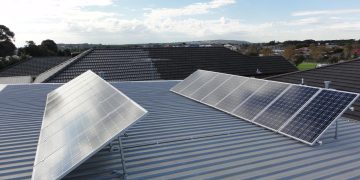







In the dawn of a new energy era, solar power stands as a beacon of hope, promising cleaner air and a sustainable future. As homeowners across the globe eagerly turn their rooftops into personal power plants, a pressing question emerges from the shadows: Is the solar industry shackled by excessive regulation? Like an intricate dance, the delicate balance between safety, innovation, and accessibility teeters on the edge of bureaucracy. This article delves into the labyrinthine world of solar regulations, exploring whether the rules designed to protect us are, in fact, stifling the very progress they aim to promote. Join us as we unravel the red tape and illuminate the path forward for home solar installations.
Navigating the Regulatory Maze for Home Solar Solutions
As homeowners increasingly turn to solar energy to reduce their carbon footprint and energy bills, the intricate web of regulations can sometimes feel overwhelming. The process of installing solar panels involves navigating through a series of permits, zoning laws, and utility approvals. While these regulations are crucial for ensuring safety and reliability, they can also pose significant barriers to entry for many homeowners. From building permits that vary by municipality to interconnection agreements with utility companies, the path to solar adoption is often laden with red tape.
To help demystify this process, here are some key considerations for homeowners:
- Local Permits: Understand the specific requirements of your local jurisdiction, as they can differ significantly.
- HOA Rules: Check with your Homeowners Association for any additional restrictions or guidelines.
- Incentives and Rebates: Be aware of the various state and federal incentives that can offset installation costs.
- Net Metering Policies: Familiarize yourself with the local utility’s policies regarding the sale of excess energy back to the grid.

Understanding Compliance: A Barrier or Necessity for Solar Adoption
In the dynamic landscape of solar energy, compliance often emerges as a double-edged sword. On one hand, stringent regulations can be perceived as a barrier that hinders swift adoption by inflating costs and complicating installation processes. Homeowners find themselves navigating a labyrinth of permits, inspections, and certifications, which can deter them from embracing renewable energy solutions. The multifaceted compliance requirements may involve:
- Obtaining local government permits
- Adhering to utility company guidelines
- Meeting building and safety codes
Conversely, these regulations are a necessity to ensure the safety, reliability, and efficiency of solar installations. Compliance safeguards consumers from potential malpractices, assures quality control, and facilitates integration into the existing energy grid. It creates a structured environment where innovations in solar technology can thrive without compromising public interest. As such, the debate continues: is the balance struck by current regulations optimal, or do they require recalibration to foster a more solar-friendly ecosystem?
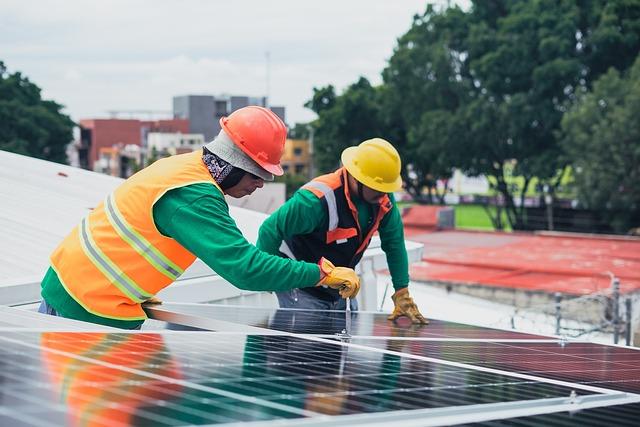
Balancing Safety and Innovation in Residential Solar Installations
In the quest to harness solar energy for residential use, the industry faces the challenge of navigating a regulatory landscape that some argue is stifling innovation. While the safety of home installations is paramount, the balance between stringent regulations and fostering technological advancements often feels precarious. Overregulation can inadvertently slow down the adoption of new technologies, increase costs, and limit consumer choices.
To maintain this delicate balance, stakeholders in the solar industry advocate for regulations that prioritize both safety and innovation. Key considerations include:
- Streamlined permitting processes: Simplifying bureaucratic procedures can reduce delays and encourage more homeowners to embrace solar energy.
- Flexible standards: Allowing for adaptive guidelines that accommodate emerging technologies without compromising safety can lead to more innovative solutions.
- Collaborative approaches: Engaging industry experts, policymakers, and consumers in ongoing dialogues ensures that regulations remain relevant and effective.
Ultimately, achieving a balance between regulation and innovation is crucial for the solar industry’s growth and sustainability.

Streamlining Permits: Recommendations for a Smoother Solar Experience
The solar industry, while promising for sustainable energy, often encounters challenges due to the intricate permit processes that vary across regions. To enhance the homeowner’s journey towards solar adoption, it is crucial to implement standardized permit protocols that align with technological advancements and efficiency demands. Local governments and regulatory bodies could benefit from adopting a more streamlined approach, potentially through digital permit applications and approvals that reduce time and paperwork.
Furthermore, encouraging collaboration between solar companies and municipal authorities can lead to shared databases and best practices that expedite the approval process. Key recommendations include:
- Creating unified guidelines for solar installations that are recognized across multiple jurisdictions.
- Implementing training programs for local officials to stay updated on solar technology and installation methods.
- Leveraging technology to facilitate real-time tracking and updates on permit status for applicants.
- Establishing a feedback loop where homeowners and solar installers can suggest improvements to the permit process.
In Conclusion
As we draw the curtains on our exploration of whether the solar industry is overregulated for home installations, it’s clear that this is a multifaceted issue, rich with nuance and complexity. The dance between innovation and regulation continues, each step carrying the weight of potential benefits and challenges. For homeowners eager to harness the sun’s energy, understanding the regulatory landscape is as crucial as selecting the right panels or inverters. As we look to the horizon, one thing remains certain: the dialogue between policymakers, industry leaders, and consumers will be instrumental in shaping a future where solar power is both accessible and responsibly managed. Whether regulation is seen as a hurdle or a safeguard, the journey towards a more sustainable world continues, inviting each of us to engage thoughtfully with the questions and possibilities that lie ahead.