




















As the sun rises on the horizon of renewable energy, the stands poised at a transformative juncture. A tapestry woven with technological innovation, shifting economic paradigms, and growing environmental consciousness, this sector is illuminating new paths for homeowners and nations alike. The coming years promise a dynamic evolution in how we harness the sun’s abundant energy, reshaping rooftops and redefining our relationship with power consumption. From bustling urban landscapes to remote rural areas, the residential solar market is not just about panels and inverters; it is a story of adaptation and opportunity, where every ray of sunlight carries the potential to revolutionize our homes and contribute to a more sustainable planet. As we delve into this topic, we explore the challenges and breakthroughs that will chart the course of solar energy in households worldwide, casting light on the dawn of a new era in energy independence.
Emerging Trends and Innovations Shaping Residential Solar
As the demand for sustainable energy solutions intensifies, residential solar technology is witnessing a transformative evolution, influenced by a host of emerging trends and innovations. A key development is the integration of artificial intelligence in energy management systems, allowing homeowners to optimize energy consumption and reduce costs through smart algorithms. This, coupled with advancements in energy storage solutions, is enabling more efficient harnessing and utilization of solar power, providing homeowners with unprecedented energy independence.
- Bifacial Solar Panels: These panels capture sunlight on both sides, enhancing energy generation efficiency and making them a popular choice for urban environments.
- Solar Skins: Customizable solar panel designs that blend with roof aesthetics, offering homeowners a seamless integration without compromising on style.
- Peer-to-Peer Energy Trading: A burgeoning concept allowing homeowners to sell excess solar energy directly to neighbors, creating decentralized energy markets.
These innovations, along with policy incentives and growing environmental consciousness, are setting the stage for a robust and dynamic future for residential solar globally. As technology continues to evolve, the potential for residential solar to become a cornerstone of sustainable living grows exponentially.
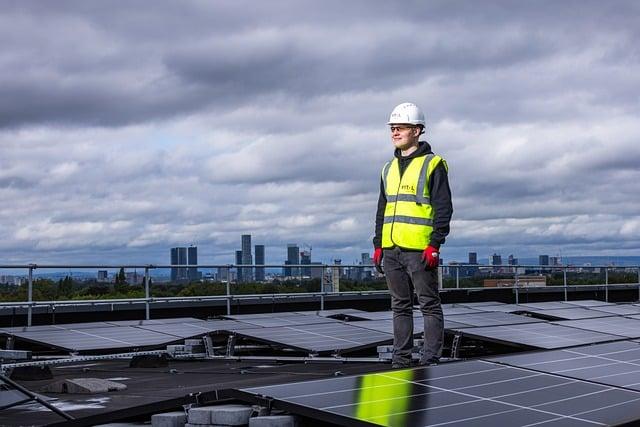
Navigating Policy and Regulatory Landscapes for Solar Success
As the residential solar market continues to evolve, understanding the complex web of policies and regulations is crucial for harnessing its full potential. Different countries present a mosaic of opportunities and challenges that require a keen awareness of local legal frameworks. Incentives, subsidies, and tax credits are pivotal in shaping the adoption rates and financial viability of solar installations. On one hand, some regions offer generous feed-in tariffs and net metering policies that encourage homeowners to invest in solar technology. On the other, restrictive zoning laws and bureaucratic hurdles can dampen the enthusiasm of even the most ardent solar advocates.
- Policy Dynamics: Keeping abreast of policy shifts and emerging regulations can empower stakeholders to capitalize on favorable conditions.
- Regional Variations: From Europe’s stringent efficiency standards to the U.S.’s state-specific incentives, adaptability is key.
- Compliance and Innovation: Aligning with compliance requirements while fostering innovation ensures long-term sustainability.
Ultimately, the future of residential solar hinges on a delicate balance of regulatory clarity and innovative policy-making that supports technological advancement and consumer adoption worldwide. By effectively navigating these landscapes, the solar industry can unlock new avenues for growth and contribute significantly to global sustainability goals.

Maximizing Investment Opportunities in Solar Energy Markets
As the global energy landscape shifts towards sustainability, the residential solar sector is poised to be at the forefront of this transformation. Investors seeking to tap into the potential of solar energy should focus on several key strategies. First, leveraging government incentives and subsidies can significantly reduce initial costs and enhance return on investment. Many countries are rolling out favorable policies to encourage the adoption of renewable energy, making it an opportune time to capitalize on these benefits.
Furthermore, diversifying investments across various markets can mitigate risks and optimize returns. Consider the following strategies for diversification:
- Exploring emerging markets: Countries with growing energy demands present untapped opportunities for residential solar investments.
- Investing in innovative technologies: Advancements such as solar battery storage and smart grid integration are reshaping the industry landscape.
- Partnering with local companies: Collaborating with regional firms can provide valuable insights and streamline market entry.

Strategic Recommendations for Scaling Residential Solar Globally
To effectively scale residential solar across global markets, stakeholders must adopt a multi-faceted approach that considers regional nuances and leverages technological advancements. Localized Policy Support is crucial; governments should tailor incentives to reflect local market dynamics, ensuring policies are adaptable to economic and environmental shifts. Additionally, fostering Public-Private Partnerships can bridge the gap between innovation and implementation, accelerating deployment through shared expertise and resources.
Consumer Education plays a pivotal role in driving adoption. Initiatives that demystify solar technology and highlight its long-term financial and environmental benefits can empower homeowners to make informed decisions. Moreover, investing in Smart Grid Integration can enhance efficiency and reliability, making residential solar a more attractive option. By embracing these strategies, the global solar industry can create a robust framework for sustainable growth and widespread adoption.
- Localized Policy Support
- Public-Private Partnerships
- Consumer Education
- Smart Grid Integration
Wrapping Up
As the sun dips below the horizon, casting its final glow over the vast tapestry of global markets, the future of residential solar stands illuminated with promise and potential. It is a landscape defined not just by the panels that capture sunlight, but by the innovative spirit and collective resolve of communities worldwide. As technology advances and barriers dissolve, solar energy is poised to transform homes into self-sustaining sanctuaries of clean power. Yet, as with any journey into the future, challenges lie ahead—challenges that call for collaboration, resilience, and visionary thinking. In this unfolding narrative, the sun is not just a source of energy; it is a beacon of possibility, guiding us toward a sustainable tomorrow. As we close this chapter, we leave with the understanding that the future of residential solar is not merely about harnessing light; it is about illuminating the path to a brighter, more sustainable world.